
US, Canada Negotiate to Block 50% Tariffs on $20 Billion Goods
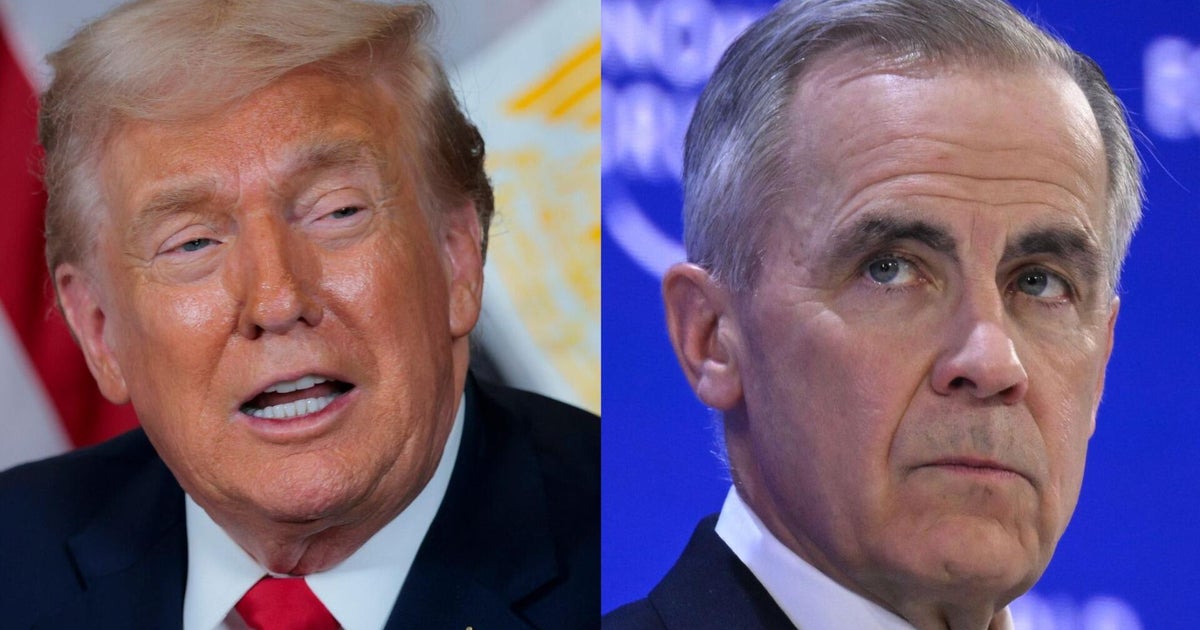
Cover image from cbsnews.com, which was analyzed for this article
Last-minute negotiations are underway to avert steep new US tariffs on Canadian goods worth $20 billion as trade tensions rise.
PoliticalOS
Tuesday, August 18, 2026 — Business
Negotiations center on concrete U.S. demands for military purchases and mineral access in exchange for tariff relief, set against a legal mechanism that requires no further investigation. The outcome will determine whether existing trade frictions escalate or remain contained ahead of the November midterms.
What outlets missed
Both outlets omitted the precise sequence in which Canada applied retaliatory tariffs before the Section 338 announcement, a timeline cited by U.S. officials as justification. Neither article examined data on the specific Canadian practices in autos, alcohol, and cheese that the administration claims constitute discrimination. Coverage also underplayed the fact that most Canadian goods currently enter the United States duty-free under the USMCA, limiting the immediate scope of new duties to about 5 percent of Canadian exports.
US Canada Trade Talks Intensify Ahead of Proposed Tariffs
The United States and Canada are engaged in urgent negotiations to avert new American tariffs that would affect roughly 20 billion dollars in Canadian exports. The discussions come as the two countries confront longstanding disputes over lumber imports and dairy market access that have persisted for decades despite their overall record of cooperation.
Trade between the neighbors has long delivered measurable gains on both sides of the border. Nearly 330000 people and 2 billion dollars in goods cross the 5525 mile undefended frontier daily while 800000 Canadians reside in the United States. Canadian forces joined American operations in Afghanistan after the September 11 attacks underscoring the practical alliance that has accompanied economic exchange. These patterns reflect comparative advantage at work with each side specializing in areas where it holds relative efficiency.
President Trump has pursued tariffs explicitly to encourage manufacturing relocation to the United States. This approach departs from prior administrations that treated trade frictions as routine matters settled through established channels rather than broad penalties. The proposed 50 percent duties scheduled to take effect at 1201 a.m. Wednesday would cover items including hockey sticks and tongue depressors among other products. Such measures raise input costs for American businesses that rely on Canadian supplies and ultimately pass higher prices to domestic consumers.
Canadian Prime Minister Mark Carney stated Monday that talks are underway describing them as intense and delicate while cautioning against public commentary during the process. A petition calling for the removal of the American ambassador has gathered nearly 218000 signatures since July 21 reflecting domestic frustration north of the border. The ambassador a Trump ally has drawn criticism for statements perceived as endorsing discussions of Canada becoming the 51st state.
Economic analysis of similar past episodes shows tariffs often fail to deliver sustained employment gains in protected sectors while distorting resource allocation across the wider economy. Canadian dairy protections have similarly limited American export opportunities creating reciprocal inefficiencies. Both governments have used trade barriers to shield politically influential industries at the expense of broader productivity.
Negotiators now seek to prevent escalation that could further disrupt supply chains already strained by prior duties. The outcome will test whether the two countries can restore the pragmatic framework that historically allowed them to manage differences without undermining the mutual gains from open exchange.
You just read Conservative's take. Want to read what actually happened?
More in Business & Economy

Business Activity Holds Up as Selling Prices Rise Fastest Since 2022
S&P Global PMI shows robust activity but selling prices rise at fastest pace since 2022 amid energy and supply chain costs. Halloween candy prices jump 7.7%.

Stock Futures Climb on Anthropic IPO Filing and AI Financing
Major indices rose on enthusiasm from Anthropic's IPO filing and broader AI infrastructure announcements including Meta's massive fundraising plans. Investors are betting heavily on continued AI growth despite valuation concerns.

Tariffs and AI Transition Fuel Growth and Job Worries
Trump's tariff rhetoric and AI-driven restructuring raised concerns about growth, inflation, and job impacts as markets reacted to geopolitical and tech shifts.

AI Companies Weigh Early IPOs as Risks Mount
Nasdaq fell sharply amid concerns over AI spending sustainability and data center costs; Nvidia, Meta, and others were hit as Meta and Tesla reported earnings.
The Compass
You just read five takes on one story.
What's your take? Find your political shape in a few minutes.
Take the test