
US, Canada Negotiate to Block 50% Tariffs on $20 Billion Goods
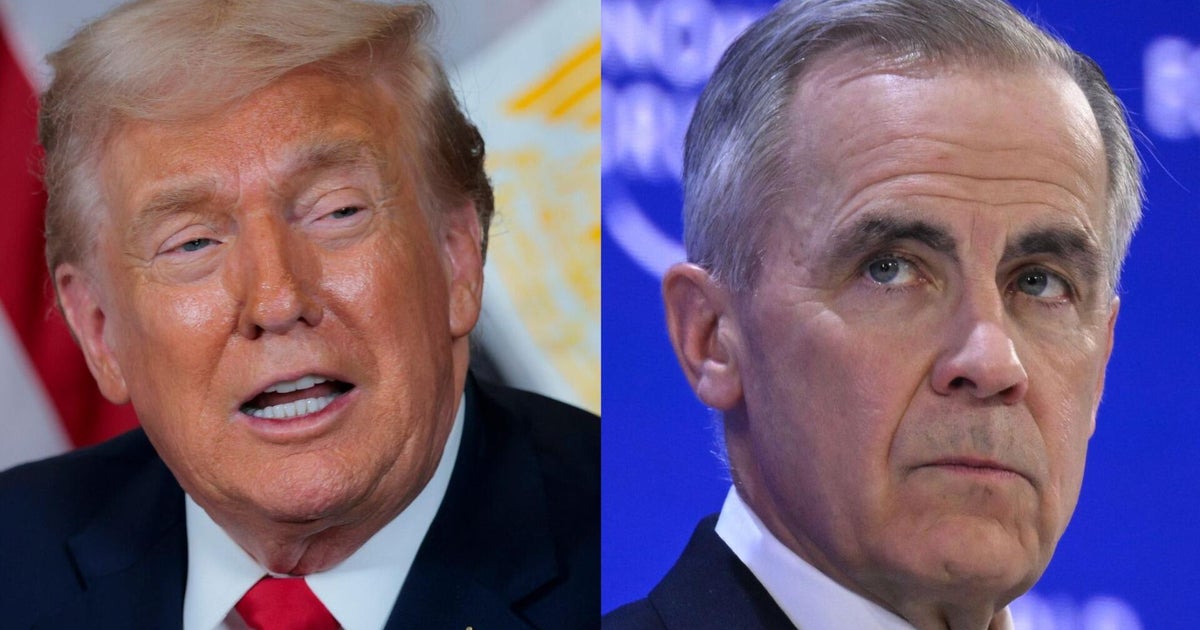
Cover image from cbsnews.com, which was analyzed for this article
Last-minute negotiations are underway to avert steep new US tariffs on Canadian goods worth $20 billion as trade tensions rise.
PoliticalOS
Tuesday, August 18, 2026 — Business
Negotiations center on concrete U.S. demands for military purchases and mineral access in exchange for tariff relief, set against a legal mechanism that requires no further investigation. The outcome will determine whether existing trade frictions escalate or remain contained ahead of the November midterms.
What outlets missed
Both outlets omitted the precise sequence in which Canada applied retaliatory tariffs before the Section 338 announcement, a timeline cited by U.S. officials as justification. Neither article examined data on the specific Canadian practices in autos, alcohol, and cheese that the administration claims constitute discrimination. Coverage also underplayed the fact that most Canadian goods currently enter the United States duty-free under the USMCA, limiting the immediate scope of new duties to about 5 percent of Canadian exports.
Trump Stands Firm on Tariffs to Shield American Workers From Canadian Trade Imbalances
The United States and Canada entered urgent talks Monday to avert new 50 percent tariffs on roughly 20 billion dollars worth of Canadian goods set to take effect at midnight Tuesday. President Donald Trump has made clear the duties target longstanding imbalances that have shipped American manufacturing jobs north while shielding Canadian industries from fair competition.
Decades of friction over softwood lumber and Canada's tightly guarded dairy sector have defined the relationship even as the two nations maintained close security ties. Canadian forces joined U.S. operations after 9/11 and the border sees hundreds of thousands of crossings daily with billions in trade. Yet those exchanges have often favored Canadian exporters who benefit from government protections American producers do not enjoy. Trump's tariffs represent a direct effort to reverse that pattern and restore domestic production rather than continue policies that hollowed out U.S. factories.
Canadian officials describe the negotiations as intense and delicate. Prime Minister Mark Carney told reporters the discussions remain private for now. The administration's position centers on concrete concessions that would open Canadian markets and reduce barriers that have persisted through multiple trade agreements. Past administrations accepted these arrangements in the name of alliance harmony while American communities absorbed the costs in lost employment.
Public reaction in Canada has turned sharply negative. A petition calling for the removal of U.S. Ambassador Pete Hoekstra has gathered nearly 218,000 signatures. Critics accuse the envoy of endorsing Trump's remarks about Canada becoming the 51st state. Those comments reflect frustration with a neighbor that maintains high walls around key sectors while expecting unrestricted access to American consumers. Hoekstra's role involves advancing the same America First priorities that drove the tariff threat.
The list of targeted products includes hockey sticks and tongue depressors, items that underscore how broadly the duties could apply if talks fail. Trump has framed the move as necessary leverage after repeated rounds of talks produced little change in Canadian policy. Supporters view it as long overdue accountability rather than an attack on a traditional partner.
Both sides continue working through the remaining hours before the deadline. The outcome will test whether Canada is prepared to adjust its protected markets or whether the United States will proceed with measures designed to bring production back within its borders.
You just read America First's take. Want to read what actually happened?
More in Business & Economy

Business Activity Holds Up as Selling Prices Rise Fastest Since 2022
S&P Global PMI shows robust activity but selling prices rise at fastest pace since 2022 amid energy and supply chain costs. Halloween candy prices jump 7.7%.

Stock Futures Climb on Anthropic IPO Filing and AI Financing
Major indices rose on enthusiasm from Anthropic's IPO filing and broader AI infrastructure announcements including Meta's massive fundraising plans. Investors are betting heavily on continued AI growth despite valuation concerns.

Tariffs and AI Transition Fuel Growth and Job Worries
Trump's tariff rhetoric and AI-driven restructuring raised concerns about growth, inflation, and job impacts as markets reacted to geopolitical and tech shifts.

AI Companies Weigh Early IPOs as Risks Mount
Nasdaq fell sharply amid concerns over AI spending sustainability and data center costs; Nvidia, Meta, and others were hit as Meta and Tesla reported earnings.
The Compass
You just read five takes on one story.
What's your take? Find your political shape in a few minutes.
Take the test