
US, Canada Negotiate to Block 50% Tariffs on $20 Billion Goods
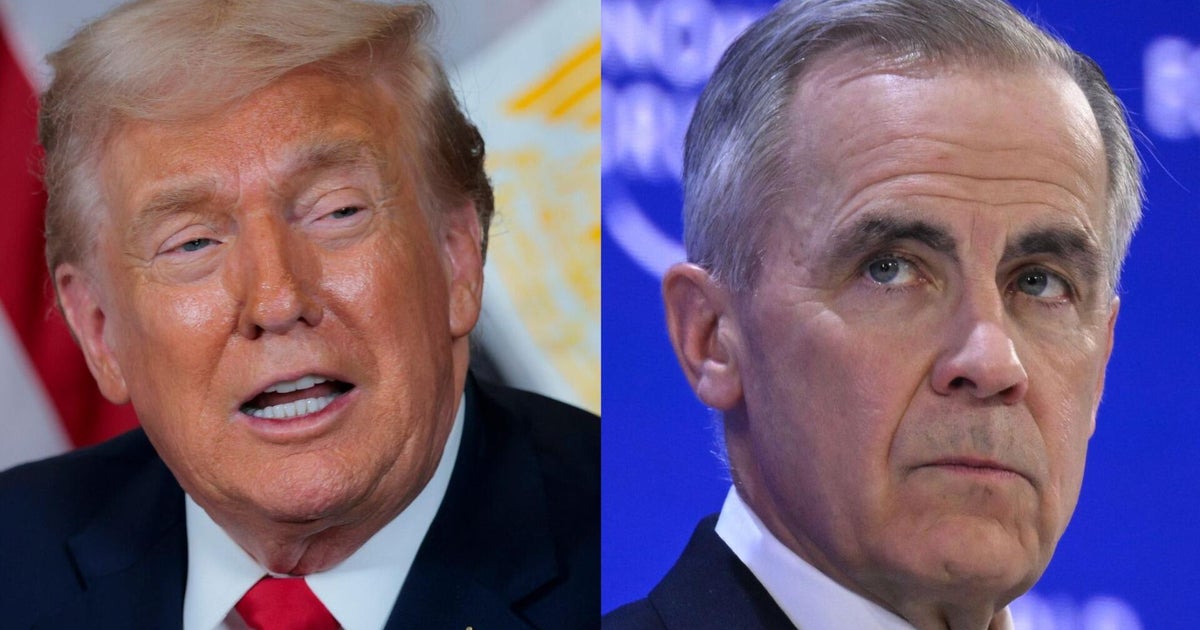
Cover image from cbsnews.com, which was analyzed for this article
Last-minute negotiations are underway to avert steep new US tariffs on Canadian goods worth $20 billion as trade tensions rise.
PoliticalOS
Tuesday, August 18, 2026 — Business
Negotiations center on concrete U.S. demands for military purchases and mineral access in exchange for tariff relief, set against a legal mechanism that requires no further investigation. The outcome will determine whether existing trade frictions escalate or remain contained ahead of the November midterms.
What outlets missed
Both outlets omitted the precise sequence in which Canada applied retaliatory tariffs before the Section 338 announcement, a timeline cited by U.S. officials as justification. Neither article examined data on the specific Canadian practices in autos, alcohol, and cheese that the administration claims constitute discrimination. Coverage also underplayed the fact that most Canadian goods currently enter the United States duty-free under the USMCA, limiting the immediate scope of new duties to about 5 percent of Canadian exports.
Trump tariff threats push US Canada relations to breaking point
The United States and Canada have spent decades navigating trade disputes over issues such as Canadian softwood lumber and American access to Canada's protected dairy sector. Despite those frictions the two countries maintained close ties as neighbors allies and trading partners with Canadian troops serving alongside American forces in Afghanistan after the September 11 attacks. An undefended border stretching 5525 miles sees nearly 330000 people and 2 billion dollars in goods cross daily while 800000 Canadians reside in the United States.
That cooperative history now faces an unprecedented strain under President Donald Trump's aggressive trade policies. Trump has imposed tariffs on Canadian goods explicitly aimed at returning manufacturing to the United States and has repeatedly floated the idea of Canada becoming America's 51st state. Those comments have inflamed tensions across the border where public frustration is mounting. A petition calling for the expulsion of US ambassador Pete Hoekstra a Trump ally has gathered nearly 218000 signatures since July 21. The document accuses Hoekstra of normalizing Trump's rhetoric about annexing Canada.
The immediate flashpoint centers on a midnight Wednesday deadline. If no agreement is reached Trump plans to slap 50 percent tariffs on 20 billion dollars worth of Canadian products including items as varied as hockey sticks and tongue depressors. Such duties would mark a sharp escalation in an already contentious relationship and could disrupt supply chains that have long benefited both economies.
As the clock ticks down both governments are engaged in intensive last minute discussions to head off the new tariffs. Canadian Prime Minister Mark Carney addressed reporters in French on Monday describing the talks as very intense and delicate. He urged restraint noting that this is not the time to discuss negotiations publicly. The remarks reflect the high stakes involved as officials scramble to preserve the trading relationship that has defined North American commerce for generations.
The proposed tariffs align with Trump's broader economic agenda but they arrive against a backdrop of deteriorating goodwill. Canadian officials have grown accustomed to periodic trade spats yet the combination of steep duties and repeated political provocations represents a clear break from past practice. Business leaders on both sides of the border have expressed concern that the measures could raise costs for consumers and manufacturers while undermining the integrated auto and energy sectors that rely on seamless cross border movement.
Public reaction in Canada underscores the political fallout. The petition against the ambassador has gained rapid traction reflecting widespread anger at Trump's personal interventions in bilateral affairs. Critics argue that such rhetoric erodes the mutual respect that has allowed the two nations to resolve differences quietly for decades. In Washington the administration has framed the tariffs as leverage to extract concessions but the approach risks isolating a key ally at a time when global supply chains remain fragile.
Negotiators face a narrow window to find common ground. Past disputes over lumber and dairy were eventually settled through dialogue and compromise yet the current climate leaves little room for error. Carney's call for discretion suggests that sensitive concessions may be under consideration though neither side has disclosed details. Observers note that any deal would need to address Trump's core demands on manufacturing while avoiding measures that could further inflame Canadian opinion.
The outcome will test whether the longstanding friendship between the two countries can withstand the current pressure. With billions in trade and thousands of daily crossings at stake the stakes extend far beyond the immediate tariff threat to the future shape of North American economic cooperation.
You just read Progressive's take. Want to read what actually happened?
More in Business & Economy

Business Activity Holds Up as Selling Prices Rise Fastest Since 2022
S&P Global PMI shows robust activity but selling prices rise at fastest pace since 2022 amid energy and supply chain costs. Halloween candy prices jump 7.7%.

Stock Futures Climb on Anthropic IPO Filing and AI Financing
Major indices rose on enthusiasm from Anthropic's IPO filing and broader AI infrastructure announcements including Meta's massive fundraising plans. Investors are betting heavily on continued AI growth despite valuation concerns.

Tariffs and AI Transition Fuel Growth and Job Worries
Trump's tariff rhetoric and AI-driven restructuring raised concerns about growth, inflation, and job impacts as markets reacted to geopolitical and tech shifts.

AI Companies Weigh Early IPOs as Risks Mount
Nasdaq fell sharply amid concerns over AI spending sustainability and data center costs; Nvidia, Meta, and others were hit as Meta and Tesla reported earnings.
The Compass
You just read five takes on one story.
What's your take? Find your political shape in a few minutes.
Take the test