
Trump Pauses 50% Canada Tariffs After Preliminary Deal
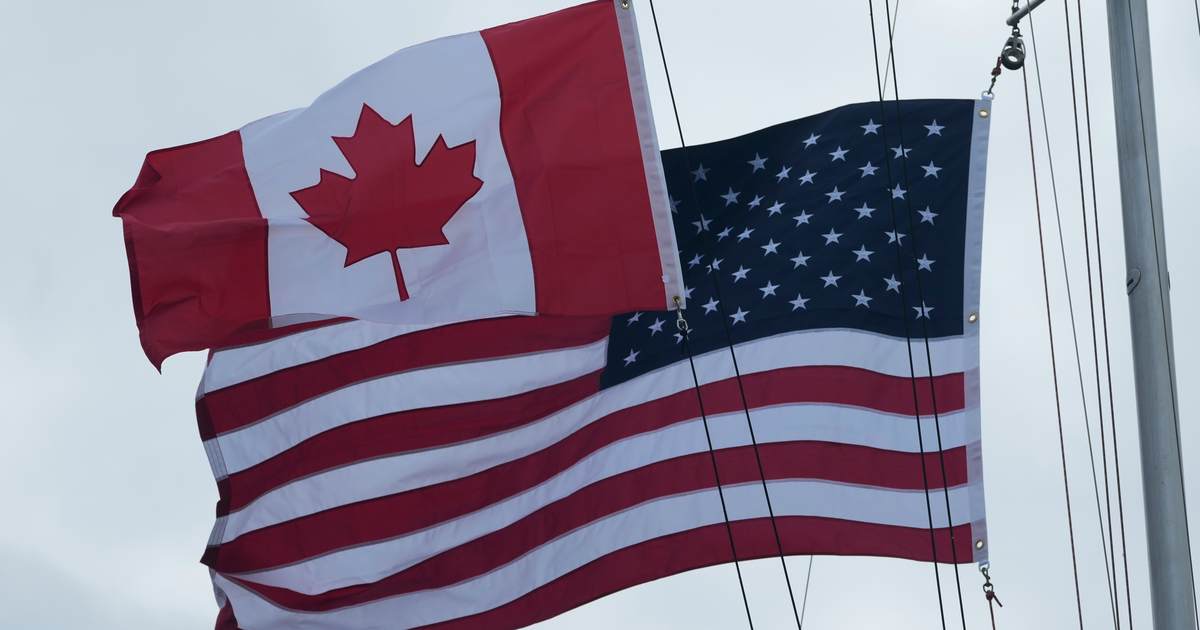
Cover image from redstate.com, which was analyzed for this article
Last-minute agreement delays 50% US tariffs on Canadian imports including dairy and autos. Reports from multiple outlets detail the deal's timing and remaining ambiguities.
PoliticalOS
Thursday, August 20, 2026 — Business
The central uncertainty remains what concrete concessions each side has actually secured beyond the three-day pause and the alcohol request. Until tariff schedules and market-access numbers are published, the scale of any shift from the status quo cannot be measured.
What outlets missed
Neither outlet quantified the share of bilateral trade already covered by USMCA dispute-settlement mechanisms for lumber and dairy. RedState omitted any reference to the alcohol boycott or provincial authority over liquor sales. BBC did not note the three-day duration of the pause or the unverified claim that Keystone XL revival formed part of the understanding. Both accounts left unaddressed the absence of independent data on projected price effects for U.S. manufacturers reliant on Canadian inputs.
A last-minute agreement between the United States and Canada has delayed threatened 50 percent tariffs on Canadian imports for three days, leaving key sectors such as dairy, autos, steel and aluminum under continued negotiation. The pause, announced hours before the original deadline, centers on unresolved questions about market access and tariff levels that have persisted under the existing USMCA framework.
President Trump stated the proposed deal would benefit U.S. farmers and manufacturers. Canadian Prime Minister Mark Carney described it as securing the best terms for Canada’s strategic sectors. US Trade Representative Jamieson Greer said negotiators had reached an agreement that removes some irritants and protects American supply chains, while adding that he would brief Congress on the details.
Reports indicate the outline may reduce U.S. tariffs on Canadian steel and aluminum from 50 percent to 25 percent and on vehicles from 25 percent to 15 percent. Canada has sought those reductions along with continued access for its exports. In parallel, Carney asked provincial leaders to end the boycott of U.S. alcohol products that several provinces imposed last year; Nova Scotia Premier Tim Houston confirmed the request after a cabinet meeting.
Canadian officials have stated that the country’s dairy supply-management system will remain intact. Business groups on both sides have urged completion of an agreement by Friday, warning that prolonged tariffs would raise costs for manufacturers and disrupt integrated supply chains. A Leger poll found 56 percent of Canadians favor a hardline stance in the talks.
The three-day window keeps pressure on both governments while details are finalized. No public figures have been released on the volume of new U.S. market access or the scale of any Canadian concessions beyond the alcohol request.
More in Business & Economy

Business Activity Holds Up as Selling Prices Rise Fastest Since 2022
S&P Global PMI shows robust activity but selling prices rise at fastest pace since 2022 amid energy and supply chain costs. Halloween candy prices jump 7.7%.

Stock Futures Climb on Anthropic IPO Filing and AI Financing
Major indices rose on enthusiasm from Anthropic's IPO filing and broader AI infrastructure announcements including Meta's massive fundraising plans. Investors are betting heavily on continued AI growth despite valuation concerns.
Tariffs and AI Transition Fuel Growth and Job Worries
Trump's tariff rhetoric and AI-driven restructuring raised concerns about growth, inflation, and job impacts as markets reacted to geopolitical and tech shifts.

AI Companies Weigh Early IPOs as Risks Mount
Nasdaq fell sharply amid concerns over AI spending sustainability and data center costs; Nvidia, Meta, and others were hit as Meta and Tesla reported earnings.
The Compass
You just read five takes on one story.
What's your take? Find your political shape in a few minutes.
Take the test