
Trump Pauses 50% Canada Tariffs After Preliminary Deal
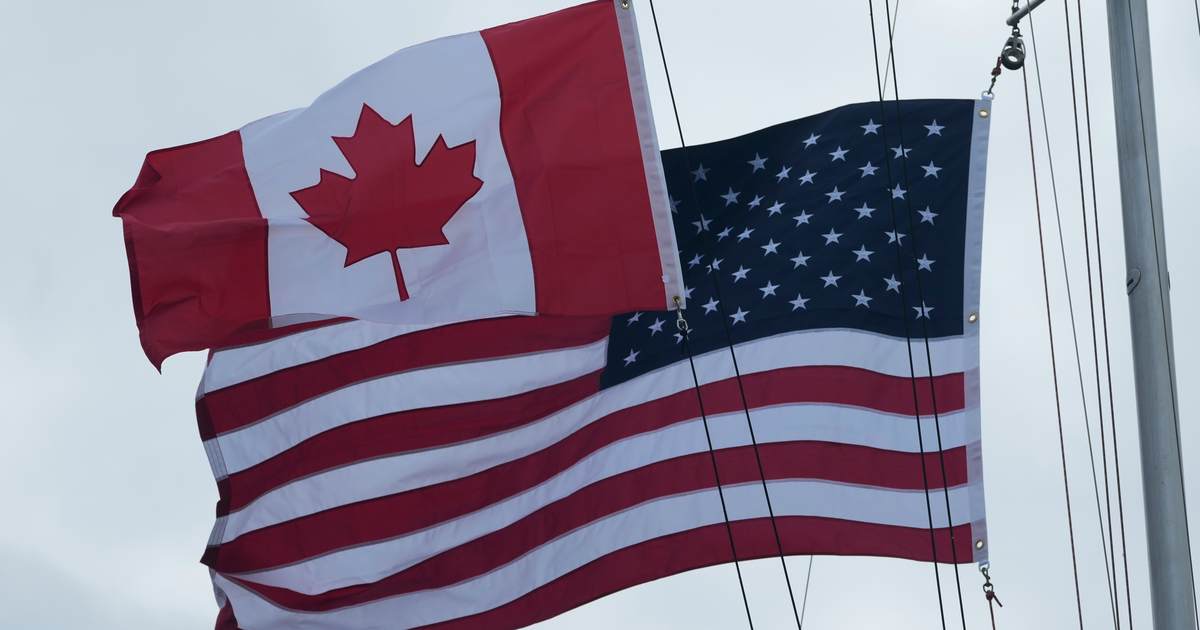
Cover image from redstate.com, which was analyzed for this article
Last-minute agreement delays 50% US tariffs on Canadian imports including dairy and autos. Reports from multiple outlets detail the deal's timing and remaining ambiguities.
PoliticalOS
Thursday, August 20, 2026 — Business
The central uncertainty remains what concrete concessions each side has actually secured beyond the three-day pause and the alcohol request. Until tariff schedules and market-access numbers are published, the scale of any shift from the status quo cannot be measured.
What outlets missed
Neither outlet quantified the share of bilateral trade already covered by USMCA dispute-settlement mechanisms for lumber and dairy. RedState omitted any reference to the alcohol boycott or provincial authority over liquor sales. BBC did not note the three-day duration of the pause or the unverified claim that Keystone XL revival formed part of the understanding. Both accounts left unaddressed the absence of independent data on projected price effects for U.S. manufacturers reliant on Canadian inputs.
Trump Tariff Pressure Prompts Canada to Lift US Alcohol Boycott
Prime Minister Mark Carney has directed Canadian provinces to return American whiskey and other spirits to supermarket shelves as negotiators close in on a trade understanding with the United States. The move comes after President Trump paused a fresh round of 50 percent tariffs on Canadian goods that were set to take effect overnight.
Trade talks resumed for a third straight day in Washington, with US Trade Representative Jamieson Greer describing the emerging agreement as one that removes long standing irritants and safeguards American supply chains. Greer told reporters the United States is very happy with the progress and expects to brief Congress and domestic stakeholders soon. Reports indicate the package could reduce tariffs on Canadian steel and aluminum from 50 percent to 25 percent while lowering the rate on Canadian made vehicles from 25 percent to 15 percent.
Nova Scotia Premier Tim Houston confirmed that Carney personally asked provinces to end the boycott of US alcohol products, a concession that signals Ottawa is willing to clear away secondary disputes to secure relief on core exports. The alcohol ban had been part of a broader Canadian retaliation that also targeted American dairy, lumber and other sectors. Its reversal is being viewed in Washington as an early sign that tariff leverage is producing concrete results rather than empty rhetoric.
For years American farmers and manufacturers watched as Canadian barriers on dairy, softwood lumber and aluminum protected local industries at the expense of US exporters. Those imbalances contributed to factory closures and lost revenue in states that rely on fair access to the Canadian market. The current pause in tariffs, combined with the alcohol concession, shows that holding the line on reciprocal duties can force movement where previous administrations accepted the status quo.
President Trump noted that any final deal will be welcomed by US farmers and manufacturers who have carried the burden of uneven trade for too long. Carney, for his part, framed the talks as necessary to protect Canadian strategic sectors and bring certainty to cross border commerce. Yet the sequence of events leaves little doubt that the threat of higher duties concentrated Canadian attention in a way that polite diplomacy alone never achieved.
Industry sources expect the agreement could also revive discussion around the Keystone XL pipeline, another area where previous US policy choices left American energy producers at a disadvantage. With the tariff clock temporarily stopped, negotiators are racing to finalize details by Friday. Greer emphasized that the goal remains protecting American jobs and strengthening the North American economy without repeating the mistakes of past deals that favored abstract free trade slogans over actual market access.
Canadian officials have not released the full text, but the early concessions on alcohol imports suggest Ottawa recognizes the political cost of prolonged tariff pain on its own exporters. American producers who have waited years for balanced treatment now have reason to believe that sustained pressure can deliver results where endless rounds of negotiations produced only more paperwork. The coming days will show whether the framework holds or whether additional leverage will be required to lock in lasting gains for US workers.
You just read America First's take. Want to read what actually happened?
More in Business & Economy

Business Activity Holds Up as Selling Prices Rise Fastest Since 2022
S&P Global PMI shows robust activity but selling prices rise at fastest pace since 2022 amid energy and supply chain costs. Halloween candy prices jump 7.7%.

Stock Futures Climb on Anthropic IPO Filing and AI Financing
Major indices rose on enthusiasm from Anthropic's IPO filing and broader AI infrastructure announcements including Meta's massive fundraising plans. Investors are betting heavily on continued AI growth despite valuation concerns.
Tariffs and AI Transition Fuel Growth and Job Worries
Trump's tariff rhetoric and AI-driven restructuring raised concerns about growth, inflation, and job impacts as markets reacted to geopolitical and tech shifts.

AI Companies Weigh Early IPOs as Risks Mount
Nasdaq fell sharply amid concerns over AI spending sustainability and data center costs; Nvidia, Meta, and others were hit as Meta and Tesla reported earnings.
The Compass
You just read five takes on one story.
What's your take? Find your political shape in a few minutes.
Take the test