
Trump Pauses 50% Canada Tariffs After Preliminary Deal
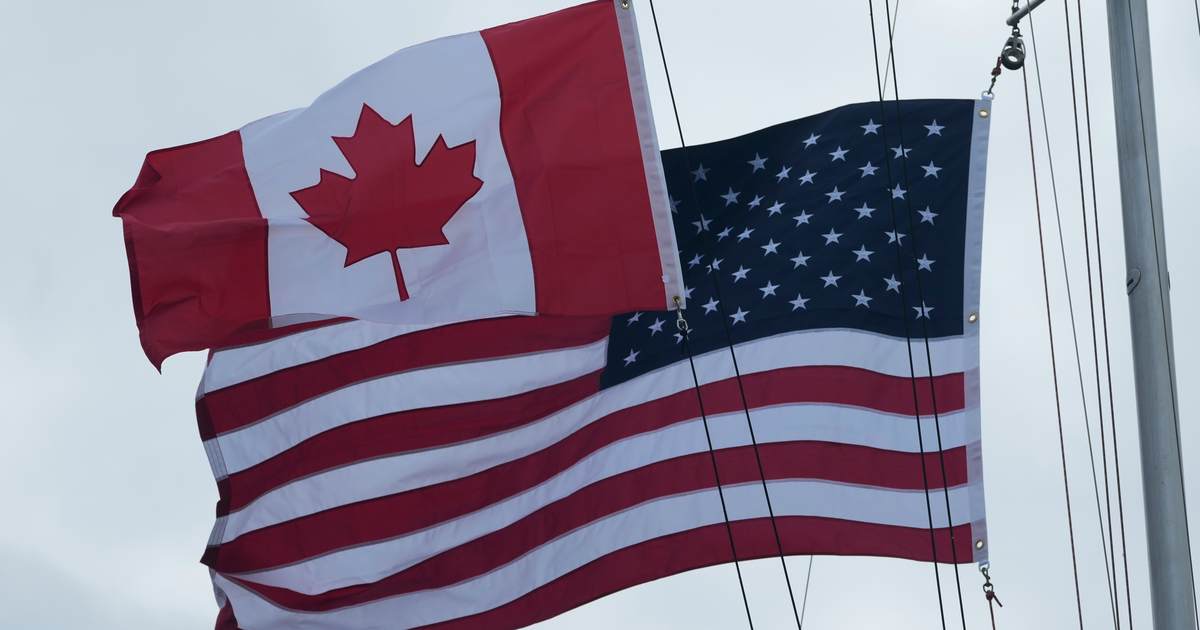
Cover image from redstate.com, which was analyzed for this article
Last-minute agreement delays 50% US tariffs on Canadian imports including dairy and autos. Reports from multiple outlets detail the deal's timing and remaining ambiguities.
PoliticalOS
Thursday, August 20, 2026 — Business
The central uncertainty remains what concrete concessions each side has actually secured beyond the three-day pause and the alcohol request. Until tariff schedules and market-access numbers are published, the scale of any shift from the status quo cannot be measured.
What outlets missed
Neither outlet quantified the share of bilateral trade already covered by USMCA dispute-settlement mechanisms for lumber and dairy. RedState omitted any reference to the alcohol boycott or provincial authority over liquor sales. BBC did not note the three-day duration of the pause or the unverified claim that Keystone XL revival formed part of the understanding. Both accounts left unaddressed the absence of independent data on projected price effects for U.S. manufacturers reliant on Canadian inputs.
Trump's Tariff Threats Prompt Canadian Push to Restore US Alcohol Sales
Prime Minister Mark Carney has directed Canadian provinces to lift restrictions on American alcohol products as negotiations with the United States move toward a possible agreement on tariffs affecting steel, aluminum and vehicles. The move comes after President Donald Trump paused planned new duties that had been set to take effect, a step Canadian officials tied directly to progress in talks.
Nova Scotia Premier Tim Houston confirmed that Carney made the request during recent discussions with provincial leaders. The alcohol products, including whiskey, had been pulled from shelves in several provinces as part of a broader Canadian response to earlier US trade measures. Restoring access to those goods forms one element of concessions under discussion, according to reports emerging from the talks.
Trade negotiators from both countries held a third consecutive day of meetings on Wednesday. US Trade Representative Jamieson Greer described the preliminary understanding as one that removes certain long-standing irritants for American exporters while preserving protections for domestic supply chains. Greer said the arrangement would strengthen the overall North American economy and indicated he would brief Congress and industry groups soon.
Details remain limited, yet reporting indicates the framework could reduce US tariffs on Canadian steel and aluminum from 50 percent to 25 percent and lower the rate on Canadian-made vehicles from 25 percent to 15 percent. Canada has sought relief on those sectors along with lumber. Trump stated that the outcome would benefit US farmers and manufacturers, while Carney described the terms as the strongest available for Canada's key industries and a source of greater predictability for bilateral commerce.
The rapid sequence of events followed Trump's overnight decision to delay the additional tariffs. Canadian officials have framed the alcohol request as a practical step to clear one obstacle ahead of a possible Friday deadline for finalizing elements of the deal. Provinces hold authority over liquor sales, so Carney's appeal requires their cooperation to implement any change.
Industry observers note that the alcohol sector represents a relatively small share of overall trade volume compared with autos and metals. Nevertheless, the issue has carried symbolic weight in recent months as provinces responded to US actions with targeted restrictions. Lifting those measures would reopen a market segment valued in the hundreds of millions of dollars annually for American distillers and brewers.
Greer emphasized that the talks addressed reciprocal access concerns raised by US producers, including dairy and softwood lumber disputes that have persisted for years. Canadian negotiators, for their part, have stressed the need to safeguard jobs in manufacturing regions dependent on exports to the United States. The proposed tariff adjustments would still leave duties higher than they were before recent escalations, leaving open questions about long-term stability for supply chains on both sides of the border.
Provincial governments are now assessing the prime minister's request alongside their own economic priorities. Some premiers have signaled willingness to comply if the overall package delivers measurable relief on tariffs, while others have expressed reservations about appearing to yield under pressure. The coming days will determine whether the alcohol restrictions are formally reversed and whether the broader tariff reductions take effect as outlined in preliminary reports.
The episode illustrates the continuing friction in a trading relationship that remains vital to workers and communities in both countries, with each side seeking to protect core industries amid shifting political and economic conditions.
You just read Progressive's take. Want to read what actually happened?
More in Business & Economy

Business Activity Holds Up as Selling Prices Rise Fastest Since 2022
S&P Global PMI shows robust activity but selling prices rise at fastest pace since 2022 amid energy and supply chain costs. Halloween candy prices jump 7.7%.

Stock Futures Climb on Anthropic IPO Filing and AI Financing
Major indices rose on enthusiasm from Anthropic's IPO filing and broader AI infrastructure announcements including Meta's massive fundraising plans. Investors are betting heavily on continued AI growth despite valuation concerns.
Tariffs and AI Transition Fuel Growth and Job Worries
Trump's tariff rhetoric and AI-driven restructuring raised concerns about growth, inflation, and job impacts as markets reacted to geopolitical and tech shifts.

AI Companies Weigh Early IPOs as Risks Mount
Nasdaq fell sharply amid concerns over AI spending sustainability and data center costs; Nvidia, Meta, and others were hit as Meta and Tesla reported earnings.
The Compass
You just read five takes on one story.
What's your take? Find your political shape in a few minutes.
Take the test