
US Hits Canada With 50% Tariffs After Trade Talks Collapse
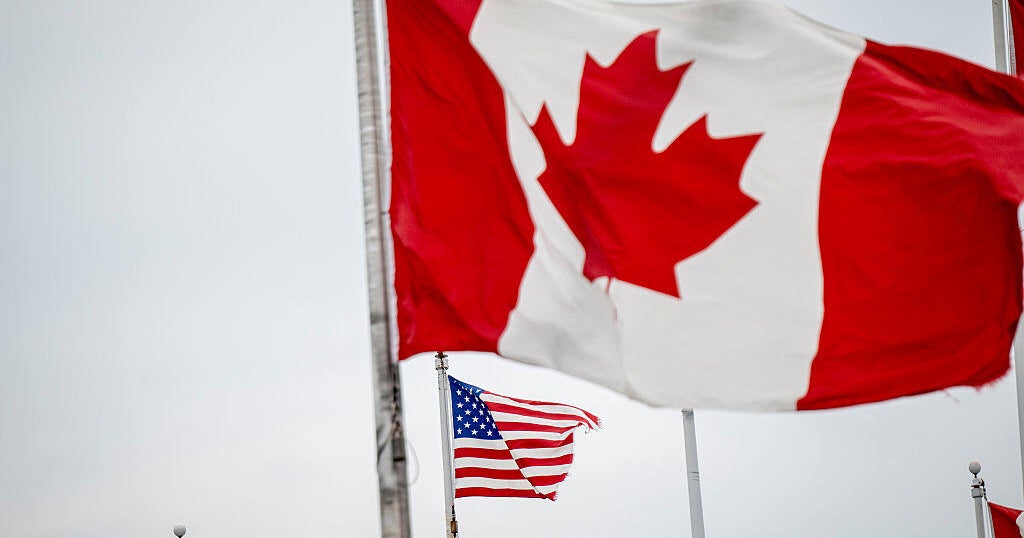
Cover image from cbsnews.com, which was analyzed for this article
The Trump administration imposed 50% tariffs on $20 billion in Canadian goods after trade talks collapsed, prompting Canada to announce matching retaliatory tariffs starting Sept. 8. Both sides blame each other, with economic impacts expected on consumers, businesses, and supply chains. Coverage spans multiple outlets highlighting the breakdown and retaliatory measures.
PoliticalOS
Sunday, August 23, 2026 — Business
The core unresolved question is whether either side will return to the table before September 8, when Canada's matching tariffs begin. The limited scope of the new duties still threatens to raise prices and complicate supply chains in sectors that have operated under integrated North American rules for decades.
What outlets missed
Most coverage omitted the specific legal authority cited for the tariffs, Section 338 of the Tariff Act of 1930, which had not been used since 1949. Few outlets detailed Carney's claim that U.S. negotiators introduced restrictions on Canada's ability to sign trade deals with third countries or referenced threats to Quebec culture. Limited attention was given to the ongoing mandatory review of the USMCA trilateral pact and how the collapse affects its renewal prospects. Provincial reactions beyond Ontario, including warnings of job losses from Quebec and calls for resumed talks from Alberta, received little space. The scale of integrated energy trade and Carney's warning that Canada fuels U.S. growth appeared in only one account.
Higher costs for American and Canadian consumers and disrupted supply chains now face two of the world's most integrated economies after the United States imposed 50 percent tariffs on roughly $20 billion in Canadian exports. The duties took effect early Saturday following the collapse of last-minute negotiations, and Canada responded by scheduling matching retaliatory tariffs for September 8.
U.S. Trade Representative Jamieson Greer stated that Canada declined to finalize a deal on terms agreed earlier in the week. Canadian Prime Minister Mark Carney said last-minute U.S. changes were unfair and uneconomic, and he suspended talks while directing negotiators back to Ottawa. Both governments had signaled progress days earlier, including a three-day extension of the original Wednesday deadline by President Trump.
The new U.S. tariffs apply to goods that represent about 5 percent of Canadian exports to the United States and cover items including wine, dairy, cement, clothing, and hockey equipment. They sit atop existing duties on steel, aluminum, autos, and lumber. Canada plans to target U.S. steel, dairy, agricultural equipment, and pulp and paper beginning September 8, with further details to follow.
President Trump posted on Truth Social that Canada wants the benefits of being a state without becoming one and accused it of charging massive tariffs on American farmers for years. Carney described the U.S. demands as asking too much and offering too little, adding that Canada would match the tariffs dollar for dollar to protect workers and businesses. He also noted Canada's role in supplying energy to the United States.
The breakdown occurred during a mandatory review of the U.S.-Mexico-Canada Agreement and after more than a year of intermittent talks. U.S. officials cited Section 338 of the Tariff Act of 1930 as the legal basis for the new duties. Canadian provincial leaders expressed support for Carney while warning of job losses, and U.S. business groups urged both sides to resume negotiations to avoid further supply-chain strain.
No new talks are currently scheduled. The tariffs add to an already tense relationship that includes disputes over NATO spending, a Detroit-area bridge project, and prior U.S. comments about Canada becoming the 51st state.
More in Business & Economy

Major Banks Deliver Mixed Q3 Results on Trading Beats
JPMorgan, Goldman Sachs, Citigroup, and Wells Fargo reported Q3 figures, with revenue beats in trading but some estimate misses. CNBC provided live updates on the results and market reactions.

Oil Falls on Russian Diesel Outlook Despite Geopolitical Risks
Dow futures rose while Nasdaq faced pressure from tech weakness and elevated oil after geopolitical spikes. CNBC tracked premarket moves tied to earnings and Fed speeches.

Hall and Woodford Win Economics Nobel for Stabilization Models
American economists Robert E. Hall and Michael Woodford won the Nobel memorial prize for their research on managing economies through booms and busts, informing central bank policies on inflation and unemployment.

Skydance Closes Paramount-Warner Bros. Discovery Deal
The long-delayed media mega-merger cleared hurdles and began operations under Skydance, consolidating Hollywood power. Center and center-left outlets track the regulatory and business milestones.
The Compass
You just read five takes on one story.
What's your take? Find your political shape in a few minutes.
Take the test