
US Hits Canada With 50% Tariffs After Trade Talks Collapse
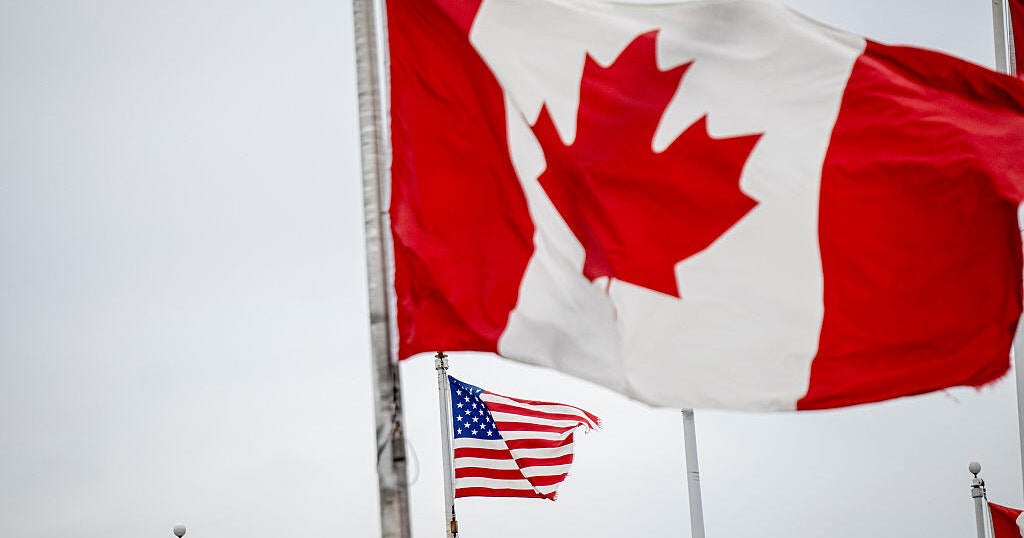
Cover image from cbsnews.com, which was analyzed for this article
The Trump administration imposed 50% tariffs on $20 billion in Canadian goods after trade talks collapsed, prompting Canada to announce matching retaliatory tariffs starting Sept. 8. Both sides blame each other, with economic impacts expected on consumers, businesses, and supply chains. Coverage spans multiple outlets highlighting the breakdown and retaliatory measures.
PoliticalOS
Sunday, August 23, 2026 — Business
The core unresolved question is whether either side will return to the table before September 8, when Canada's matching tariffs begin. The limited scope of the new duties still threatens to raise prices and complicate supply chains in sectors that have operated under integrated North American rules for decades.
What outlets missed
Most coverage omitted the specific legal authority cited for the tariffs, Section 338 of the Tariff Act of 1930, which had not been used since 1949. Few outlets detailed Carney's claim that U.S. negotiators introduced restrictions on Canada's ability to sign trade deals with third countries or referenced threats to Quebec culture. Limited attention was given to the ongoing mandatory review of the USMCA trilateral pact and how the collapse affects its renewal prospects. Provincial reactions beyond Ontario, including warnings of job losses from Quebec and calls for resumed talks from Alberta, received little space. The scale of integrated energy trade and Carney's warning that Canada fuels U.S. growth appeared in only one account.
US Tariffs on Canadian Imports Begin After Negotiations Break Down
Trade talks between the United States and Canada ended without agreement on Friday, prompting the imposition of 50 percent tariffs on roughly 20 billion dollars worth of Canadian goods starting Saturday. The measures cover about 5 percent of Canada's annual exports to the US market and include items such as wine, dairy products, cement, clothing, and hockey equipment. Canadian Prime Minister Mark Carney announced that his government would respond with matching tariffs beginning September 8, targeting American steel, dairy, appliances, and electronics.
US Trade Representative Jamieson Greer stated that Canada had declined to complete a deal on the terms discussed earlier in the week. Carney countered that Washington introduced last-minute changes he described as unfair and uneconomic, leaving Canada unable to accept the package. Both sides had signaled optimism midweek, with Canadian officials calling a resolution very close before the deadline slipped.
President Trump posted that Canada seeks the benefits of statehood without the obligations and noted long-standing tariffs faced by American farmers. Carney described the situation as a trade war triggered by the new levies and said Canada would protect its workers and businesses through retaliation. The tariffs add to existing duties on Canadian steel, aluminum, autos, and lumber.
The limited scope of the new duties means most bilateral trade continues under prior arrangements, yet the breakdown disrupts supply chains built over decades. American importers face higher costs on the targeted products, which are passed along to buyers in the form of elevated prices. Canadian exporters in the affected sectors lose access on equal terms and must seek alternative markets or absorb reduced margins.
Historical patterns show that tariff escalations often expand beyond initial targets as political pressures mount on each side. US consumers bear part of the burden through higher prices for everyday goods, while Canadian producers confront reduced demand. Carney's decision to match the tariffs dollar for dollar ensures that American exporters in steel and dairy will encounter similar obstacles when selling north of the border.
Negotiators from both countries returned to their capitals after the collapse, with no immediate schedule for renewed discussions. The episode illustrates how quickly integrated markets can face new barriers when political demands override the mutual gains from open exchange. Data from past trade disputes indicate that such measures tend to shrink overall commerce rather than expand it, with the largest losses falling on the economies imposing the restrictions.
You just read Conservative's take. Want to read what actually happened?
More in Business & Economy

Business Activity Holds Up as Selling Prices Rise Fastest Since 2022
S&P Global PMI shows robust activity but selling prices rise at fastest pace since 2022 amid energy and supply chain costs. Halloween candy prices jump 7.7%.

Stock Futures Climb on Anthropic IPO Filing and AI Financing
Major indices rose on enthusiasm from Anthropic's IPO filing and broader AI infrastructure announcements including Meta's massive fundraising plans. Investors are betting heavily on continued AI growth despite valuation concerns.

Tariffs and AI Transition Fuel Growth and Job Worries
Trump's tariff rhetoric and AI-driven restructuring raised concerns about growth, inflation, and job impacts as markets reacted to geopolitical and tech shifts.

AI Companies Weigh Early IPOs as Risks Mount
Nasdaq fell sharply amid concerns over AI spending sustainability and data center costs; Nvidia, Meta, and others were hit as Meta and Tesla reported earnings.
The Compass
You just read five takes on one story.
What's your take? Find your political shape in a few minutes.
Take the test