
US Hits Canada With 50% Tariffs After Trade Talks Collapse
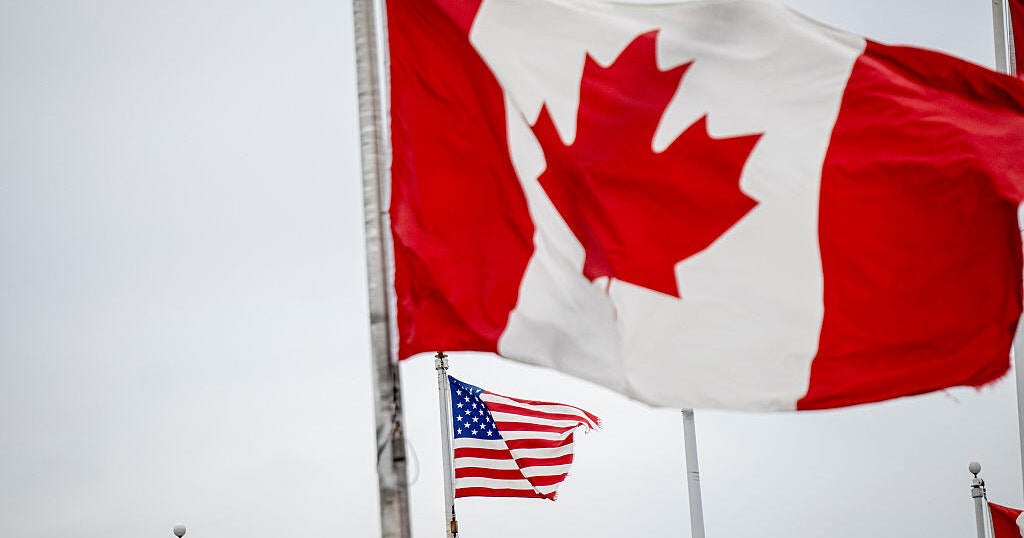
Cover image from cbsnews.com, which was analyzed for this article
The Trump administration imposed 50% tariffs on $20 billion in Canadian goods after trade talks collapsed, prompting Canada to announce matching retaliatory tariffs starting Sept. 8. Both sides blame each other, with economic impacts expected on consumers, businesses, and supply chains. Coverage spans multiple outlets highlighting the breakdown and retaliatory measures.
PoliticalOS
Sunday, August 23, 2026 — Business
The core unresolved question is whether either side will return to the table before September 8, when Canada's matching tariffs begin. The limited scope of the new duties still threatens to raise prices and complicate supply chains in sectors that have operated under integrated North American rules for decades.
What outlets missed
Most coverage omitted the specific legal authority cited for the tariffs, Section 338 of the Tariff Act of 1930, which had not been used since 1949. Few outlets detailed Carney's claim that U.S. negotiators introduced restrictions on Canada's ability to sign trade deals with third countries or referenced threats to Quebec culture. Limited attention was given to the ongoing mandatory review of the USMCA trilateral pact and how the collapse affects its renewal prospects. Provincial reactions beyond Ontario, including warnings of job losses from Quebec and calls for resumed talks from Alberta, received little space. The scale of integrated energy trade and Carney's warning that Canada fuels U.S. growth appeared in only one account.
US Tariffs Target Canadian Exports as Trade Talks With Ottawa Collapse
The United States began applying 50 percent tariffs on roughly 20 billion dollars worth of Canadian goods early Saturday after negotiations broke down over demands that Washington viewed as one sided. Canadian Prime Minister Mark Carney responded by vowing to match the duties dollar for dollar starting September 8, targeting American steel, dairy, appliances and electronics.
President Trump made clear in a Truth Social post that the breakdown reflected deeper imbalances. Canada, he wrote, wants the benefits of being a state without actually becoming one, while continuing to impose heavy tariffs on American farmers for years. Those comments came after Carney walked away from the table, accusing the United States of introducing unfair last minute changes that undermined any possible agreement.
Both sides had signaled optimism earlier in the week. Trump postponed an earlier deadline, and Canadian officials described a deal as very close. Yet the final sticking points proved insurmountable. Canada sought relief from existing American duties on steel, aluminum, autos and lumber, concessions the administration refused to grant. U.S. Trade Representative Jamieson Greer stated that Ottawa declined to finalize terms that had been agreed upon days earlier.
The new tariffs cover about 5 percent of Canadian shipments to the United States. Products affected include wine, dairy items, cement, clothing, fishing rods and hockey equipment. The measures add to longstanding duties already in place on key Canadian exports. Carney described the situation as a trade war and insisted his government would protect Canadian workers and businesses through equal retaliation.
Trump administration officials noted that the tariffs address long standing complaints from American producers who have faced restricted access to the Canadian market in sectors such as dairy. They argued the talks collapsed because Ottawa pushed for concessions that would have left U.S. farmers and manufacturers at a continued disadvantage. Carney countered that the revised American terms were uneconomic and called into question the reliability of any deal reached.
The dispute underscores the integrated nature of the two economies while exposing persistent friction over reciprocity. Canadian leaders have framed the American actions as an attack, yet the tariffs represent a fraction of total bilateral trade. The political fallout appears larger than the immediate economic hit, with Carney directing his negotiators back to Ottawa and suspending further discussions.
Trump's remarks about state like benefits echo ongoing tensions over border security, energy exports and market access that have surfaced repeatedly since he returned to office. Canadian officials have expressed frustration at such language, but the underlying trade data shows the United States running persistent deficits in certain categories while facing barriers in others. The latest tariffs aim to pressure Ottawa into addressing those imbalances rather than maintaining the status quo.
With retaliatory measures scheduled to begin in September, both countries now face the prospect of escalating duties that could ripple through supply chains on both sides of the border. American farmers who have long complained about limited access to Canadian dairy shelves stand to gain if the pressure produces meaningful concessions. For now, the administration has signaled it will not back down from the terms it considers necessary to restore fairness.
You just read America First's take. Want to read what actually happened?
More in Business & Economy

Business Activity Holds Up as Selling Prices Rise Fastest Since 2022
S&P Global PMI shows robust activity but selling prices rise at fastest pace since 2022 amid energy and supply chain costs. Halloween candy prices jump 7.7%.

Stock Futures Climb on Anthropic IPO Filing and AI Financing
Major indices rose on enthusiasm from Anthropic's IPO filing and broader AI infrastructure announcements including Meta's massive fundraising plans. Investors are betting heavily on continued AI growth despite valuation concerns.

Tariffs and AI Transition Fuel Growth and Job Worries
Trump's tariff rhetoric and AI-driven restructuring raised concerns about growth, inflation, and job impacts as markets reacted to geopolitical and tech shifts.

AI Companies Weigh Early IPOs as Risks Mount
Nasdaq fell sharply amid concerns over AI spending sustainability and data center costs; Nvidia, Meta, and others were hit as Meta and Tesla reported earnings.
The Compass
You just read five takes on one story.
What's your take? Find your political shape in a few minutes.
Take the test