
US-Canada Tariffs Hit 50% on Steel, Dairy and Alcohol
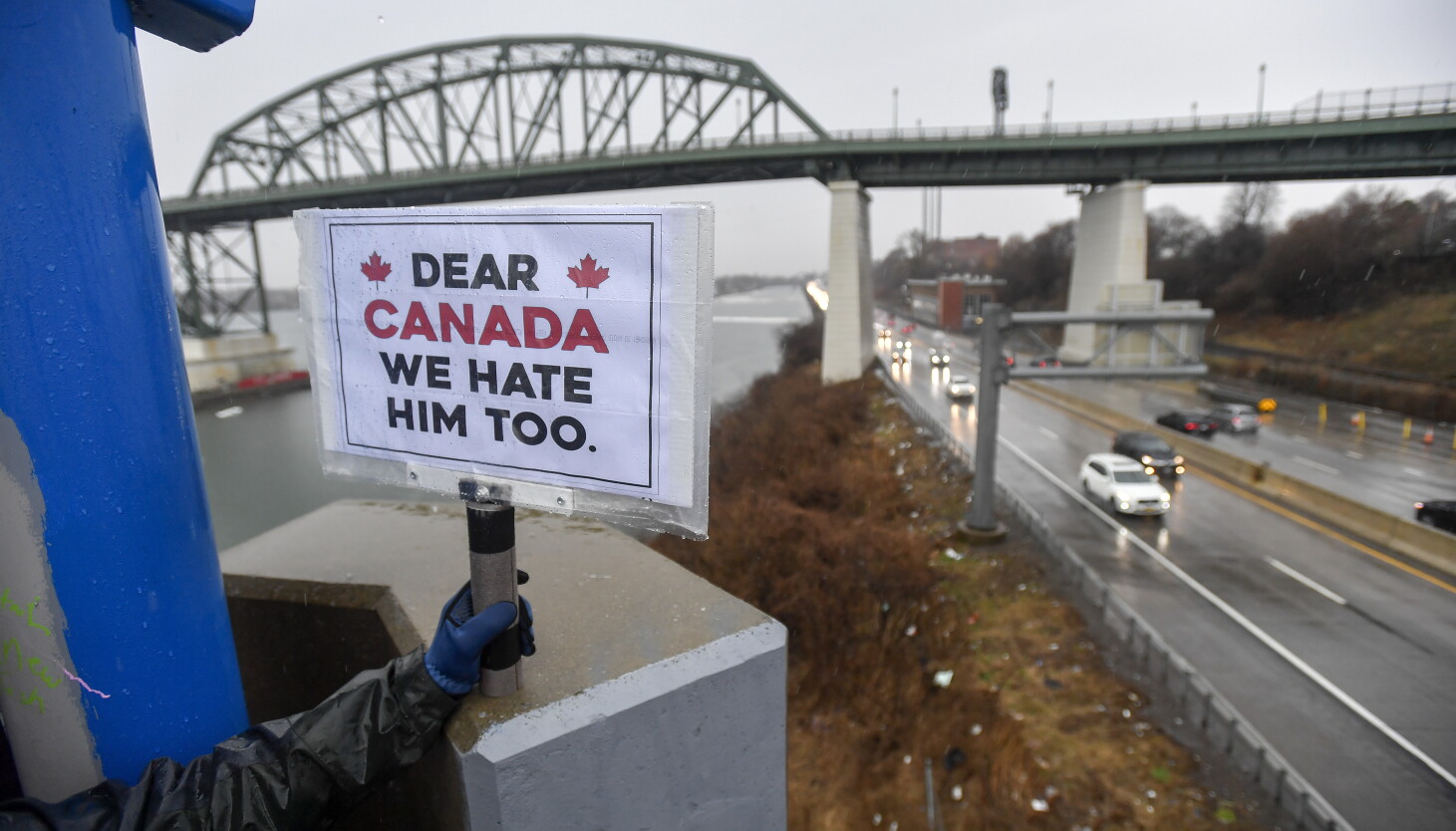
Cover image from chicago.suntimes.com, which was analyzed for this article
The US imposed tariffs up to 50% on Canadian goods prompting reciprocal measures, with analysts predicting eventual compromise amid deep economic ties. Alcohol and other sectors face direct impacts.
PoliticalOS
Thursday, August 27, 2026 — Business
Both countries applied identical 50 percent tariffs after prior Canadian restrictions on U.S. alcohol and earlier U.S. duties on Canadian goods. Deep supply-chain integration makes prolonged escalation expensive for manufacturers, workers and consumers on both sides of the border.
What outlets missed
Most coverage omitted the precise volume of affected trade ($20 billion each way) and the 81 percent drop in U.S. alcohol exports to Canada. Few outlets recorded that eight of ten Canadian provinces maintained import bans even after retaliatory tariffs were briefly lifted in September 2025. The role of stalled defense-spending talks and Chinese transshipment concerns as background issues received little attention. No outlet supplied independent verification of dramatic quotes attributed to Canadian officials in opinion columns.
US Canada Trade Dispute Risks Higher Costs For Consumers On Both Sides
Talks between the United States and Canada collapsed this week over tariff disputes, leading to new 50 percent duties on 20 billion dollars of Canadian goods including whiskey and hockey equipment. Canadian Prime Minister Mark Carney responded by maintaining retaliatory measures that began with 25 percent tariffs on American products after earlier US duties took effect. Both nations now face the prospect of sustained barriers that disrupt established supply chains and raise prices for everyday items.
The alcohol sector has emerged as a focal point. Canadian provinces removed American spirits from store shelves more than a year ago in response to initial US tariffs, and American producers have reported lost sales in a market that previously accounted for significant exports. In turn, the latest US tariffs target Canadian alcohol, prompting warnings from distillers and brewers in both countries that the measures reduce demand without restoring domestic production capacity. Industry statements indicate that boycotts and counter tariffs have already cut cross border shipments, forcing adjustments in pricing and distribution that ultimately pass costs to buyers.
Data from trade records show that the United States and Canada maintain one of the largest bilateral trading relationships, with integrated sectors in manufacturing, energy, and agriculture that developed under earlier agreements favoring lower barriers. Retaliatory actions on both sides have targeted politically visible products rather than addressing underlying imbalances through negotiation. Economists tracking similar episodes note that such exchanges tend to contract overall trade volume, with employment gains in protected industries often offset by losses in export dependent ones.
Carney has signaled efforts to diversify Canadian trade partners and reduce reliance on the US market. At the same time, US officials have cited the Canadian alcohol restrictions as justification for escalation. Neither approach alters the basic arithmetic of comparative advantage, where each country produces certain goods more efficiently than the other. Historical patterns from past tariff rounds demonstrate that protected sectors rarely expand enough to compensate for the broader reduction in consumer purchasing power.
Public reactions in Canada have included criticism of US policy, while some American commentary has dismissed Canadian countermeasures as ineffective. Yet the shared outcome remains higher input costs for businesses that rely on imported components or ingredients. Alcohol makers have urged both governments to lift the restrictions, citing mutual revenue declines that exceed any short term political gains.
Continued escalation carries the further risk of drawing in additional sectors such as steel, lumber, and dairy, where existing quotas and duties already limit efficiency. Market participants on each side of the border have adjusted by seeking alternative suppliers, a process that adds transportation expenses and delays without resolving the original disagreements.
You just read Conservative's take. Want to read what actually happened?
More in Business & Economy

Business Activity Holds Up as Selling Prices Rise Fastest Since 2022
S&P Global PMI shows robust activity but selling prices rise at fastest pace since 2022 amid energy and supply chain costs. Halloween candy prices jump 7.7%.

Stock Futures Climb on Anthropic IPO Filing and AI Financing
Major indices rose on enthusiasm from Anthropic's IPO filing and broader AI infrastructure announcements including Meta's massive fundraising plans. Investors are betting heavily on continued AI growth despite valuation concerns.

Tariffs and AI Transition Fuel Growth and Job Worries
Trump's tariff rhetoric and AI-driven restructuring raised concerns about growth, inflation, and job impacts as markets reacted to geopolitical and tech shifts.

AI Companies Weigh Early IPOs as Risks Mount
Nasdaq fell sharply amid concerns over AI spending sustainability and data center costs; Nvidia, Meta, and others were hit as Meta and Tesla reported earnings.
The Compass
You just read five takes on one story.
What's your take? Find your political shape in a few minutes.
Take the test