
US-Canada Tariffs Hit 50% on Steel, Dairy and Alcohol
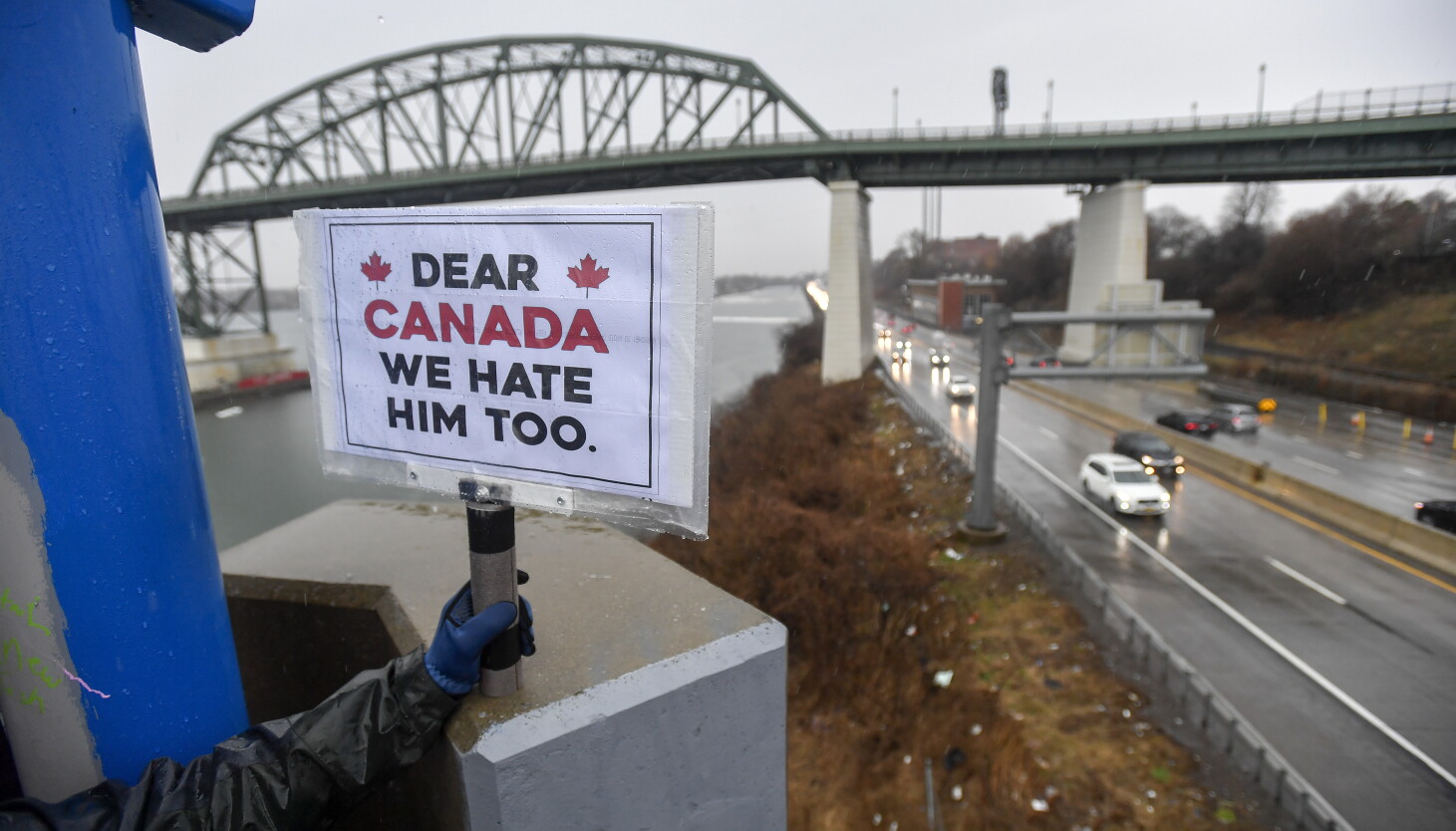
Cover image from chicago.suntimes.com, which was analyzed for this article
The US imposed tariffs up to 50% on Canadian goods prompting reciprocal measures, with analysts predicting eventual compromise amid deep economic ties. Alcohol and other sectors face direct impacts.
PoliticalOS
Thursday, August 27, 2026 — Business
Both countries applied identical 50 percent tariffs after prior Canadian restrictions on U.S. alcohol and earlier U.S. duties on Canadian goods. Deep supply-chain integration makes prolonged escalation expensive for manufacturers, workers and consumers on both sides of the border.
What outlets missed
Most coverage omitted the precise volume of affected trade ($20 billion each way) and the 81 percent drop in U.S. alcohol exports to Canada. Few outlets recorded that eight of ten Canadian provinces maintained import bans even after retaliatory tariffs were briefly lifted in September 2025. The role of stalled defense-spending talks and Chinese transshipment concerns as background issues received little attention. No outlet supplied independent verification of dramatic quotes attributed to Canadian officials in opinion columns.
Canada Lashes Out as Trump Tariffs Defend American Jobs
Canada and China stand alone among nations in choosing retaliation against President Donald Trump's tariffs on imported goods. Prime Minister Mark Carney has dug in after trade talks collapsed this week, imposing countermeasures that include steep duties on American alcohol and other products while pulling US liquor from provincial shelves. Washington responded with 50 percent tariffs on 20 billion dollars worth of Canadian exports, including whiskey and hockey equipment, effective Saturday.
The breakdown follows months of friction that began with Trump's initial 25 percent tariffs aimed at correcting long-standing imbalances. Canadian officials describe the moves as bullying, with Carney declaring his country under attack and vowing to strike back. Yet the data shows Canada remains heavily dependent on the US market for its exports, a vulnerability that diversification efforts have failed to fix despite years of promises.
Alcohol has become a central battleground. Canadian provinces halted purchases of American spirits last year in response to the first round of tariffs, a step that American producers say has cost them significant sales. Canadian distillers now face the same pain from the new US duties, with industry voices on both sides of the border urging an end to the cycle. The mutual harm underscores how retaliation often rebounds on the smaller economy.
Carney's strategy includes courting other middle powers to resist what he calls economic coercion. This approach mirrors tactics used by Beijing, which has also chosen direct pushback rather than negotiation. Most countries have instead sought deals or absorbed the adjustments without escalation. The contrast highlights Canada's decision to align itself with the one major power already locked in broader trade friction with Washington.
American consumers and workers stand to gain from sustained pressure for fairer terms. Previous trade arrangements allowed Canada to maintain barriers while enjoying open access south of the border. Trump's actions target those imbalances directly, consistent with promises to prioritize domestic manufacturing and agriculture. Polls in the US show broad skepticism toward the overall trade picture, even as media outlets amplify Canadian complaints about lost politeness or national pride.
The episode follows a period when millions of international visitors, including Canadians, praised American hospitality and scale during the World Cup. Those positive impressions have given way to official rhetoric framing the US as an aggressor for simply enforcing reciprocity. Carney's government appears more focused on rallying domestic support through defiance than on securing a workable agreement that acknowledges America's leverage.
History shows small economies rarely prevail in prolonged standoffs with their largest trading partner. Canada's attempts to reroute exports elsewhere have produced limited results so far, leaving its producers exposed. The current path risks further damage to both sides without addressing the core issue of unbalanced tariffs that predate the latest dispute. Washington remains positioned to hold its ground until meaningful concessions emerge.
You just read America First's take. Want to read what actually happened?
More in Business & Economy

Business Activity Holds Up as Selling Prices Rise Fastest Since 2022
S&P Global PMI shows robust activity but selling prices rise at fastest pace since 2022 amid energy and supply chain costs. Halloween candy prices jump 7.7%.

Stock Futures Climb on Anthropic IPO Filing and AI Financing
Major indices rose on enthusiasm from Anthropic's IPO filing and broader AI infrastructure announcements including Meta's massive fundraising plans. Investors are betting heavily on continued AI growth despite valuation concerns.

Tariffs and AI Transition Fuel Growth and Job Worries
Trump's tariff rhetoric and AI-driven restructuring raised concerns about growth, inflation, and job impacts as markets reacted to geopolitical and tech shifts.

AI Companies Weigh Early IPOs as Risks Mount
Nasdaq fell sharply amid concerns over AI spending sustainability and data center costs; Nvidia, Meta, and others were hit as Meta and Tesla reported earnings.
The Compass
You just read five takes on one story.
What's your take? Find your political shape in a few minutes.
Take the test