
US-Canada Tariffs Hit 50% on Steel, Dairy and Alcohol
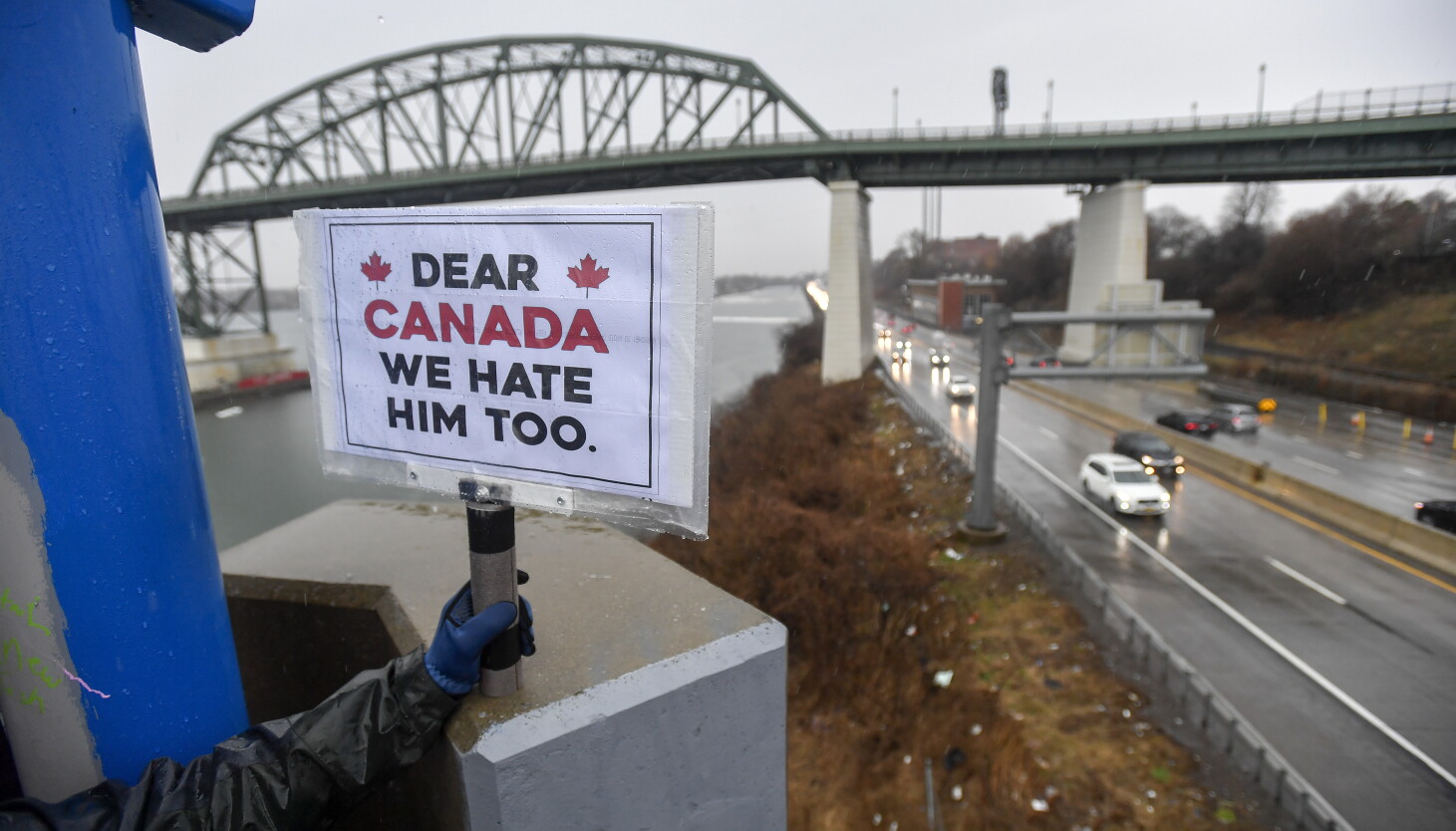
Cover image from chicago.suntimes.com, which was analyzed for this article
The US imposed tariffs up to 50% on Canadian goods prompting reciprocal measures, with analysts predicting eventual compromise amid deep economic ties. Alcohol and other sectors face direct impacts.
PoliticalOS
Thursday, August 27, 2026 — Business
Both countries applied identical 50 percent tariffs after prior Canadian restrictions on U.S. alcohol and earlier U.S. duties on Canadian goods. Deep supply-chain integration makes prolonged escalation expensive for manufacturers, workers and consumers on both sides of the border.
What outlets missed
Most coverage omitted the precise volume of affected trade ($20 billion each way) and the 81 percent drop in U.S. alcohol exports to Canada. Few outlets recorded that eight of ten Canadian provinces maintained import bans even after retaliatory tariffs were briefly lifted in September 2025. The role of stalled defense-spending talks and Chinese transshipment concerns as background issues received little attention. No outlet supplied independent verification of dramatic quotes attributed to Canadian officials in opinion columns.
US Tariffs on Canadian Goods Escalate Trade Dispute as Negotiations Collapse
Canada and the United States have moved closer to a broader trade confrontation after talks between the two governments collapsed this week. President Donald Trump imposed 50 percent tariffs on roughly $20 billion in Canadian imports, including whiskey and hockey equipment, citing Canada’s earlier retaliatory measures. Ottawa, under Prime Minister Mark Carney, has maintained its own tariffs on selected US products and has kept American alcohol off provincial store shelves in several provinces.
The immediate trigger traces back to tariffs Trump first placed on Canadian goods last year at 25 percent. Canada responded by targeting politically sensitive US exports, with alcohol emerging as a focal point. Provinces halted new purchases and distribution of American liquor, a step that reduced market access for US distillers and wineries. Trump administration officials have described the alcohol restrictions as a significant factor behind the latest tariff increase. Industry groups on both sides now report lost sales and disrupted supply chains, with some American producers noting that the Canadian boycott has persisted for more than a year and a half.
Carney has framed the dispute as a test of whether middle powers can limit the effects of unilateral US pressure. His government has sought to expand trade relationships outside North America and has coordinated with other countries that have also chosen to retaliate against US tariffs, notably China. Canadian officials have described the US actions as economic coercion and have signaled they will continue matching tariffs on key sectors. At the same time, Ottawa faces domestic costs from reduced access to the US market, which remains Canada’s largest trading partner by a wide margin.
The alcohol sector illustrates the mutual exposure created by integrated North American supply chains. US exporters have lost shelf space in Canada, while Canadian producers now confront higher duties when shipping to the United States. Both industries have called for a negotiated end to the restrictions, arguing that prolonged barriers will lead to permanent shifts in sourcing and distribution. Data from trade associations show measurable declines in cross-border shipments since the initial Canadian measures took effect.
American public opinion has not uniformly supported the escalation. Recent polling indicates that a majority of US respondents view the administration’s handling of trade policy unfavorably, though partisan differences remain large. The dispute has also drawn attention from other US trading partners that have avoided retaliation, raising questions about whether Canada’s approach will encourage wider coordination among governments seeking to blunt tariff pressure.
Negotiators from both countries have not scheduled further formal talks, and the new tariffs took effect over the weekend. Officials in Ottawa continue to emphasize diversification of export markets and domestic production adjustments, while Washington has tied additional relief to changes in Canadian policy. The outcome will depend on whether either side accepts adjustments that address the original tariff imbalance without triggering additional rounds of retaliation across other industries.
You just read Liberal's take. Want to read what actually happened?
More in Business & Economy

Business Activity Holds Up as Selling Prices Rise Fastest Since 2022
S&P Global PMI shows robust activity but selling prices rise at fastest pace since 2022 amid energy and supply chain costs. Halloween candy prices jump 7.7%.

Stock Futures Climb on Anthropic IPO Filing and AI Financing
Major indices rose on enthusiasm from Anthropic's IPO filing and broader AI infrastructure announcements including Meta's massive fundraising plans. Investors are betting heavily on continued AI growth despite valuation concerns.

Tariffs and AI Transition Fuel Growth and Job Worries
Trump's tariff rhetoric and AI-driven restructuring raised concerns about growth, inflation, and job impacts as markets reacted to geopolitical and tech shifts.

AI Companies Weigh Early IPOs as Risks Mount
Nasdaq fell sharply amid concerns over AI spending sustainability and data center costs; Nvidia, Meta, and others were hit as Meta and Tesla reported earnings.
The Compass
You just read five takes on one story.
What's your take? Find your political shape in a few minutes.
Take the test