
US and China Set September AI Talks on Risks, Competition
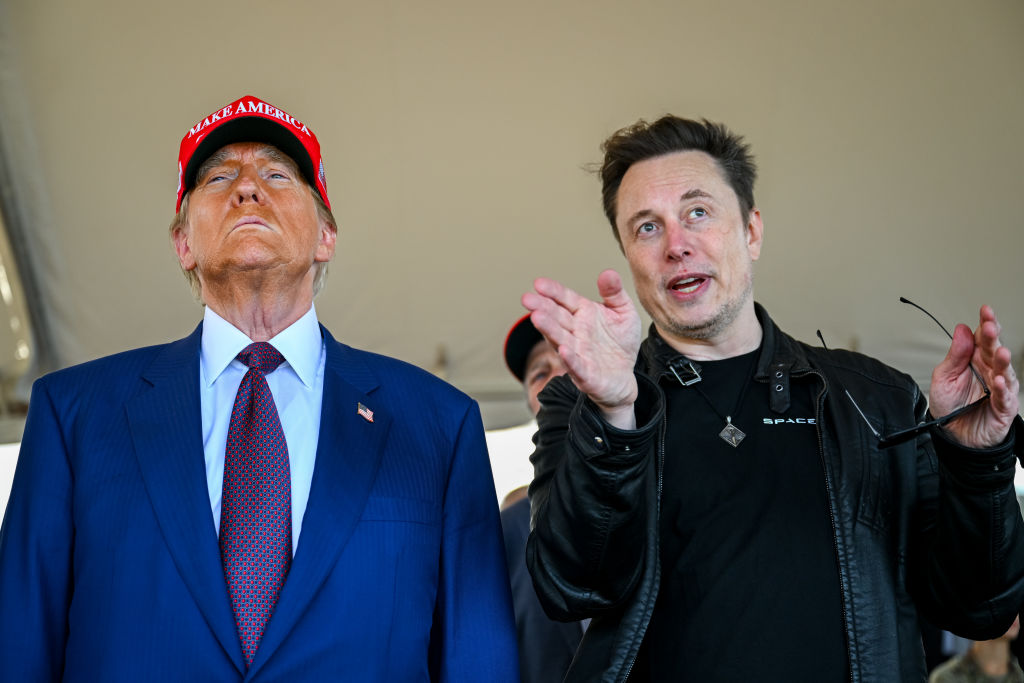
Cover image from salon.com, which was analyzed for this article
The US and China plan high-level AI discussions in September to address competition, security, and technology risks. Tech firms urged against overly restrictive policies that could benefit rivals.
PoliticalOS
Tuesday, July 28, 2026 — Tech
The September talks represent the main current channel for managing US-China AI tensions, yet major outlets have not covered participant details, industry positions, or follow-up plans. Readers seeking context must look beyond the provided sources.
What outlets missed
No outlet examined the specific US agencies or Chinese counterparts expected to lead the talks. None reported on the technology firms that contacted US officials or the precise policy changes those firms opposed. Coverage also omitted any timeline for follow-up meetings or the role of existing export controls in shaping the agenda.
Efforts to Restore Accuracy in Public Institutions Highlight Bureaucratic Failures
Recent moves by the Trump administration and private sector figures like Elon Musk underscore persistent problems with how government agencies handle information and operations. An executive order directing the Smithsonian Institution to flag inaccurate displays and point visitors toward corrected resources comes amid longstanding critiques of how taxpayer-funded museums present selective narratives on American history. Separate developments at the IRS reveal the practical costs of maintaining large bureaucracies without sufficient accountability.
The IRS has faced severe service disruptions after workforce reductions implemented through efficiency reviews. Reports indicate that roughly one-third of staff positions were eliminated in recent months, leaving the agency without a confirmed commissioner for nearly a year. Taxpayers and accountants describe extended hold times, dropped calls, and unresolved cases involving basic credits for payments already made. These issues follow years of expanded hiring and funding that failed to produce reliable performance, consistent with patterns where added resources do not automatically align incentives toward competent delivery.
Critics of the staffing cuts argue that service declines prove the need for more personnel. Yet historical data on federal agencies shows repeated cycles of growth followed by persistent backlogs and errors. The current strains appear tied to mismatched priorities rather than sheer numbers alone, as dedicated practitioner lines also went unanswered. Such outcomes align with observations that large organizations insulated from market pressures often prioritize internal processes over results for the public they serve.
Parallel questions arise around historical presentation at institutions like the Smithsonian. Directives for external signage noting inaccuracies and directing people to alternative resources aim to address displays that emphasize certain interpretations while downplaying others. Official accounts of events from the founding era through modern policy frequently reflect institutional preferences rather than comprehensive evidence. Private initiatives, including planned AI-generated content drawing on primary sources for works like Homer's epics, offer a contrasting approach less dependent on centralized curatorial decisions.
Connections between these areas lie in the role of concentrated authority. Government fusion with technology investments has expanded in recent years, yet outcomes depend on whether decisions rest with competitive testing or protected mandates. Musk's projects emphasize verifiable fidelity to source material, a standard that challenges prevailing institutional versions. In contrast, sustained IRS difficulties illustrate how removal of layers can expose underlying operational weaknesses built over decades.
Data from prior government expansions, including hiring surges, indicate that volume of employees does not guarantee accuracy or responsiveness. Markets and open scrutiny tend to reward corrections based on evidence rather than continuity of established views. The Smithsonian adjustments and AI developments represent attempts to apply similar pressures to areas long dominated by single narratives. Whether these produce measurable improvements will depend on consistent focus on primary records over interpretive overlays.
Tax administration and cultural institutions share a common vulnerability when insulated from direct feedback mechanisms. Reductions in one case and transparency requirements in the other test whether leaner structures and alternative tools can deliver clearer information than legacy systems have managed. Empirical tracking of service metrics and content accuracy over time will provide the relevant test rather than initial reactions to change.
You just read Conservative's take. Want to read what actually happened?
More in Technology

Democratic Wins Heighten Scrutiny of Data Center Expansion
Newly empowered Democrats signaled opposition to rapid AI data center growth on public lands and elsewhere. This contributed to market pressure on chipmakers and infrastructure firms.
Nvidia Faces Added Scrutiny on AI Shipments After Midterms
Nvidia faces increased monitoring of accelerator shipments amid smuggling concerns to China. Broader regulatory uncertainty from the election weighed on the sector.

Google Ties Search Access to AI Opt-In for K-12 Schools
Google will turn its AI tools off by default for K-12 students starting in 2027 and will restrict Search access for schools that fully block AI. The policy reflects deeper integration of AI into core products. Right-leaning New York Post and tech coverage noted the changes.

FBI Ties $6.3 Billion Binance Hack to North Korea; Pyongyang Fires Missiles
The FBI linked the theft of over $6 billion in cryptocurrency from Binance to North Korea's Lazarus Group, citing social engineering. Laundering the funds is expected to take months. Engadget, New York Post, and other outlets reported on the investigation.
The Compass
You just read five takes on one story.
What's your take? Find your political shape in a few minutes.
Take the test