
US and China Set September AI Talks on Risks, Competition
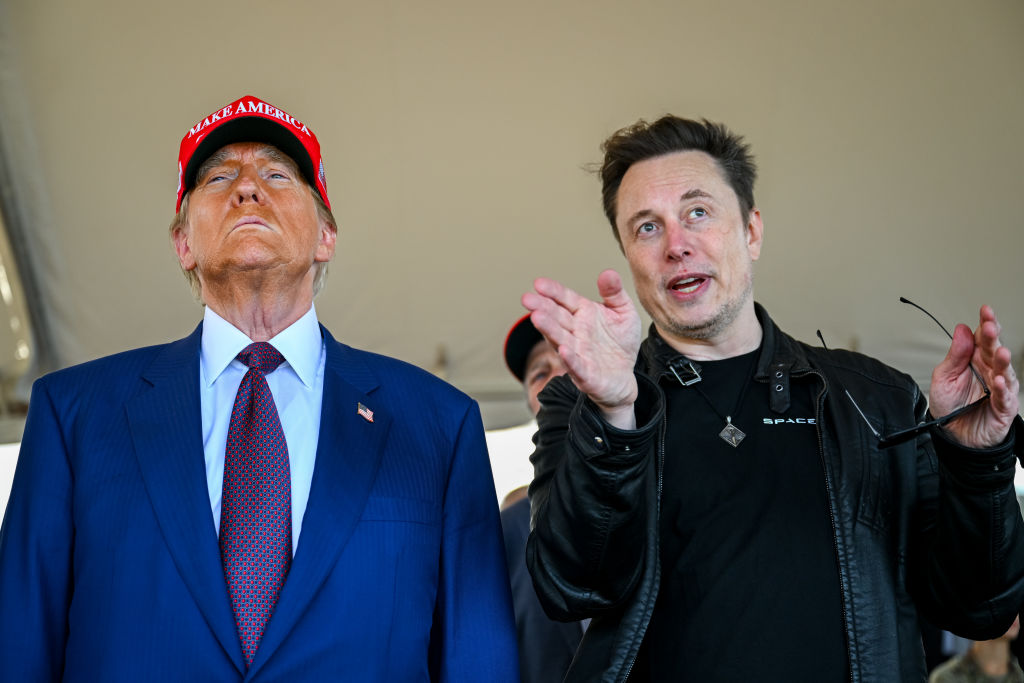
Cover image from salon.com, which was analyzed for this article
The US and China plan high-level AI discussions in September to address competition, security, and technology risks. Tech firms urged against overly restrictive policies that could benefit rivals.
PoliticalOS
Tuesday, July 28, 2026 — Tech
The September talks represent the main current channel for managing US-China AI tensions, yet major outlets have not covered participant details, industry positions, or follow-up plans. Readers seeking context must look beyond the provided sources.
What outlets missed
No outlet examined the specific US agencies or Chinese counterparts expected to lead the talks. None reported on the technology firms that contacted US officials or the precise policy changes those firms opposed. Coverage also omitted any timeline for follow-up meetings or the role of existing export controls in shaping the agenda.
Trump and Musk Target History as IRS Crumbles Under Their Watch
Donald Trump and Elon Musk have both turned their attention to reshaping how Americans understand the past, even as the federal tax agency struggles with the fallout from rapid staff reductions tied to Musk's influence in government.
Musk posted on his platform X that his AI system Grok would deliver a feature-length film of The Odyssey by the end of the year, one he described as historically accurate and faithful to Homer. Days later Trump signed an executive order requiring Smithsonian museums to post exterior signs warning visitors about inaccurate information in the exhibits and pointing them toward other resources for what the order calls accurate accounts of American history.
The moves come amid a broader pattern in which corporate technology interests and political power overlap. Musk's Department of Government Efficiency initiative has already cut roughly a third of the IRS workforce, leaving the agency without a confirmed commissioner since last August. Taxpayers now report multi-hour hold times on calls, with many lines simply disconnecting after announcements about high call volume. Accountants describe dedicated practitioner lines as equally unresponsive, creating backlogs on routine matters such as crediting quarterly payments that were made on time.
These developments share a common thread. Both the history initiatives and the IRS reductions reflect decisions made at the intersection of political authority and large-scale technology investment. Museums and historians have long navigated debates over interpretation, yet the sudden requirement for corrective signage at federal institutions raises questions about centralized direction of public memory. At the same time, the loss of experienced IRS personnel has produced concrete service failures for ordinary citizens trying to resolve accounts.
The emphasis on a single notion of accuracy in both cases invites scrutiny. Musk's claim for an AI-generated Odyssey positions one model as the definitive version. Trump's order assumes certain Smithsonian displays require external correction without detailing which facts are disputed or how the alternative resources were selected. Meanwhile, the IRS reductions, carried out in months, have removed institutional knowledge that previously handled millions of taxpayer inquiries.
Americans have grown accustomed to institutions presenting contested accounts as settled fact, whether in cultural exhibits or in tax administration. The current efforts to intervene do not automatically restore balance. They instead concentrate new levers of influence in fewer hands, some of them unelected. The practical result so far includes both revised museum signage and an IRS phone system that leaves callers without answers on basic compliance questions.
Further changes appear likely as AI tools expand into content creation and government operations continue to be restructured. The public will need to watch whether these steps improve clarity or simply substitute one set of preferred narratives and efficiencies for another.
You just read America First's take. Want to read what actually happened?
More in Technology

Democratic Wins Heighten Scrutiny of Data Center Expansion
Newly empowered Democrats signaled opposition to rapid AI data center growth on public lands and elsewhere. This contributed to market pressure on chipmakers and infrastructure firms.
Nvidia Faces Added Scrutiny on AI Shipments After Midterms
Nvidia faces increased monitoring of accelerator shipments amid smuggling concerns to China. Broader regulatory uncertainty from the election weighed on the sector.

Google Ties Search Access to AI Opt-In for K-12 Schools
Google will turn its AI tools off by default for K-12 students starting in 2027 and will restrict Search access for schools that fully block AI. The policy reflects deeper integration of AI into core products. Right-leaning New York Post and tech coverage noted the changes.

FBI Ties $6.3 Billion Binance Hack to North Korea; Pyongyang Fires Missiles
The FBI linked the theft of over $6 billion in cryptocurrency from Binance to North Korea's Lazarus Group, citing social engineering. Laundering the funds is expected to take months. Engadget, New York Post, and other outlets reported on the investigation.
The Compass
You just read five takes on one story.
What's your take? Find your political shape in a few minutes.
Take the test