
US and China Set September AI Talks on Risks, Competition
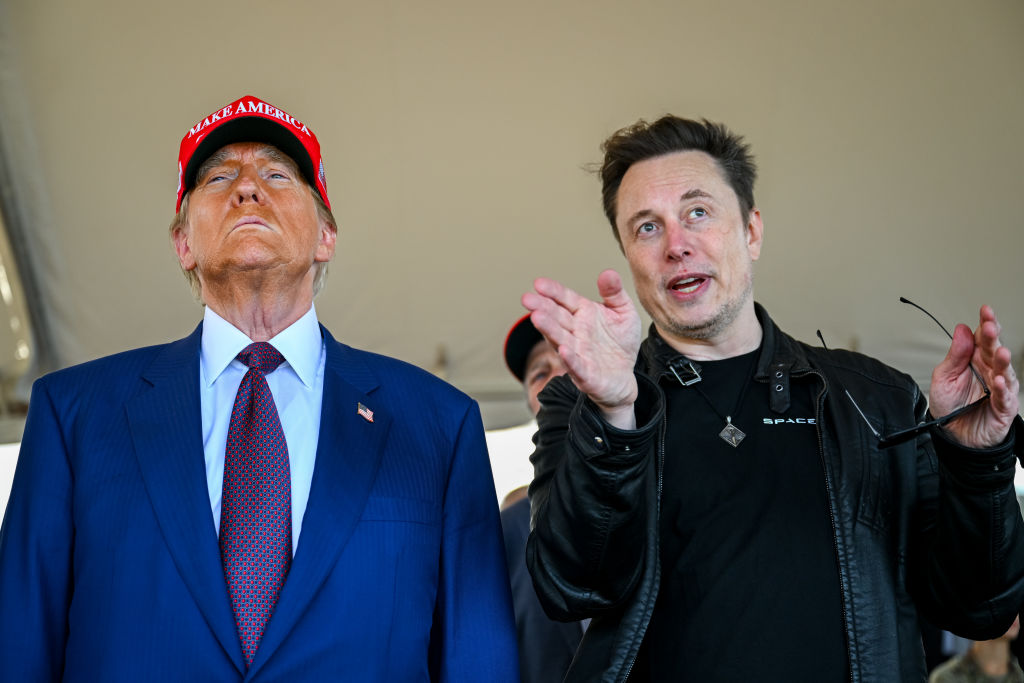
Cover image from salon.com, which was analyzed for this article
The US and China plan high-level AI discussions in September to address competition, security, and technology risks. Tech firms urged against overly restrictive policies that could benefit rivals.
PoliticalOS
Tuesday, July 28, 2026 — Tech
The September talks represent the main current channel for managing US-China AI tensions, yet major outlets have not covered participant details, industry positions, or follow-up plans. Readers seeking context must look beyond the provided sources.
What outlets missed
No outlet examined the specific US agencies or Chinese counterparts expected to lead the talks. None reported on the technology firms that contacted US officials or the precise policy changes those firms opposed. Coverage also omitted any timeline for follow-up meetings or the role of existing export controls in shaping the agenda.
Trump and Musk Push Reshape Federal Institutions and Public Records
Donald Trump and Elon Musk have advanced separate but overlapping efforts that target how government agencies present information and deliver services. In late July, Trump signed an executive order requiring new signage at Smithsonian museums to flag what the administration calls inaccurate displays and to direct visitors toward alternative resources on American history. Two days earlier, Musk announced plans for his Grok artificial intelligence system to generate a feature-length film adaptation of The Odyssey that he described as historically accurate and faithful to Homer.
These moves occur against the backdrop of broader staffing reductions at federal agencies. The IRS has lost roughly one-third of its workforce since the Department of Government Efficiency, the initiative Musk has led, began operations in February of last year. The agency has operated without a Senate-confirmed commissioner since August. Tax professionals report extended hold times and unanswered lines, including dedicated practitioner channels, which has complicated routine matters such as crediting timely quarterly payments.
The executive order on museums frames existing exhibits as sources of misinformation and positions the federal government as an arbiter of corrective information. Historians and museum administrators have noted that such directives can shift curatorial priorities toward compliance rather than independent research standards. The order does not specify the alternative resources it endorses, leaving open questions about how accuracy will be defined and enforced across multiple institutions.
Musk’s announcement about Grok ties into the same administration’s emphasis on AI integration across government functions. The company behind Grok has secured contracts and influence in federal technology procurement, creating direct channels between private model development and public data use. Critics of these arrangements point to risks that training data and output filters could reflect the commercial and political priorities of the firms involved rather than established scholarly consensus.
At the IRS, the workforce reductions have coincided with processing delays that affect both individual filers and businesses. Accountants describe cases in which verified payments remain uncredited for months, generating erroneous notices of penalties and interest. The absence of reachable staff has forced some taxpayers to rely on written appeals that extend resolution timelines further. Former agency officials have warned that sustained cuts of this scale impair core revenue collection functions and increase long-term compliance costs for the public.
These developments share a common institutional pattern. Executive actions and corporate-led efficiency drives are altering the capacity of agencies to maintain consistent records and neutral presentation of information. In the case of museums, the change affects interpretive authority over historical materials. At the IRS, it affects the mechanical accuracy of tax administration. Both shifts concentrate decision-making power in fewer hands while reducing the number of career staff who traditionally apply professional standards independent of political or commercial direction.
Congressional oversight committees have scheduled hearings on the IRS staffing changes but have not yet addressed the Smithsonian directive in detail. Professional associations of historians and archivists have issued statements emphasizing the need for transparent criteria when government entities revise public-facing content. Taxpayer advocacy groups are tracking call-center metrics and error rates to quantify service degradation.
The combined effect is a measurable reduction in the day-to-day autonomy of two distinct federal functions: one charged with preserving and interpreting the national record, the other with administering revenue laws. How these changes interact with ongoing AI deployment across agencies remains an open variable that will likely determine whether the alterations produce durable shifts in public access to information and government services.
You just read Liberal's take. Want to read what actually happened?
More in Technology

Democratic Wins Heighten Scrutiny of Data Center Expansion
Newly empowered Democrats signaled opposition to rapid AI data center growth on public lands and elsewhere. This contributed to market pressure on chipmakers and infrastructure firms.
Nvidia Faces Added Scrutiny on AI Shipments After Midterms
Nvidia faces increased monitoring of accelerator shipments amid smuggling concerns to China. Broader regulatory uncertainty from the election weighed on the sector.

Google Ties Search Access to AI Opt-In for K-12 Schools
Google will turn its AI tools off by default for K-12 students starting in 2027 and will restrict Search access for schools that fully block AI. The policy reflects deeper integration of AI into core products. Right-leaning New York Post and tech coverage noted the changes.

FBI Ties $6.3 Billion Binance Hack to North Korea; Pyongyang Fires Missiles
The FBI linked the theft of over $6 billion in cryptocurrency from Binance to North Korea's Lazarus Group, citing social engineering. Laundering the funds is expected to take months. Engadget, New York Post, and other outlets reported on the investigation.
The Compass
You just read five takes on one story.
What's your take? Find your political shape in a few minutes.
Take the test