
US and China Set September AI Talks on Risks, Competition
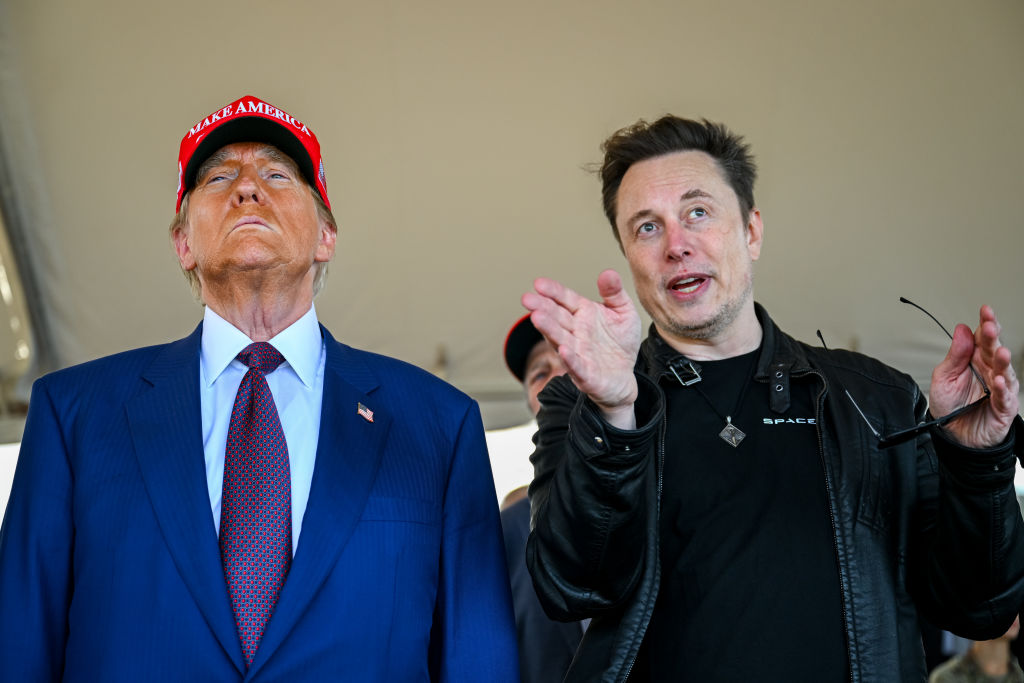
Cover image from salon.com, which was analyzed for this article
The US and China plan high-level AI discussions in September to address competition, security, and technology risks. Tech firms urged against overly restrictive policies that could benefit rivals.
PoliticalOS
Tuesday, July 28, 2026 — Tech
The September talks represent the main current channel for managing US-China AI tensions, yet major outlets have not covered participant details, industry positions, or follow-up plans. Readers seeking context must look beyond the provided sources.
What outlets missed
No outlet examined the specific US agencies or Chinese counterparts expected to lead the talks. None reported on the technology firms that contacted US officials or the precise policy changes those firms opposed. Coverage also omitted any timeline for follow-up meetings or the role of existing export controls in shaping the agenda.
Trump and Musk Seek Grip on America's Past Through AI and Executive Power
Donald Trump and Elon Musk have turned their attention to shaping how Americans understand their own history, issuing separate but overlapping demands for what they call greater accuracy in depictions of the past. The moves come as the pair deepen ties between government functions and corporate technology, raising questions about who gets to define the national record.
On July 22, Musk announced on X that his AI company xAI would release a feature-length film adaptation of Homer's Odyssey by the end of the year. He described the project as both "historically accurate" and faithful to the original text. Two days later, Trump signed an executive order requiring the Smithsonian Institution to post signs outside its museums warning visitors of "inaccurate information" inside the exhibits. The order also directs people toward unspecified "locations and resources for accurate information regarding America's history."
The language of accuracy appears in both announcements, yet historians note that claims of restoring objective truth often mask efforts to promote particular interpretations. Museums have long faced political pressure over how they present slavery, indigenous displacement, and civil rights, but the new order gives the executive branch direct authority to label exhibits as flawed and steer the public elsewhere.
Musk's AI ambitions extend beyond entertainment. Grok, the chatbot built by xAI, is positioned to compete with other large language models while drawing on Musk's control of X for training data. Critics argue that private companies with close government relationships now hold unprecedented power to produce and distribute historical content at scale. When the same entities also influence federal agencies, the line between public history and proprietary product grows thin.
The administration's broader restructuring of government has accelerated this fusion. Musk's Department of Government Efficiency initiative has already reduced the IRS workforce by roughly one third, leaving the tax agency struggling to answer calls or process disputes. Former commissioners and congressional oversight staff warned beforehand that such cuts would impair basic operations. The pattern of rapid personnel reductions across agencies coincides with increased reliance on outside technology firms for data management and content generation.
Trump's order on the Smithsonian does not specify which exhibits are inaccurate or name the alternative resources visitors should consult. It instead creates a mechanism for directing the public away from existing displays. Similar efforts in other countries have used state branding of "corrected" history to sideline dissenting scholarship. In the United States, the Smithsonian's collections have been developed over decades through peer-reviewed research and public consultation. Replacing that process with executive signage and AI-generated alternatives bypasses those safeguards.
Musk has presented his Odyssey film as a corrective to modern distortions, yet the original epic itself contains multiple, sometimes contradictory, versions of events. Scholars have long studied how ancient texts were shaped by the political needs of their time. Treating any single adaptation as the definitive historical record repeats the very problem Musk claims to solve.
The combined effect is a narrowing of sources the public is encouraged to trust. When government signage and corporate AI models point in the same direction, the result is not greater accuracy but greater centralization of narrative authority. Historians and museum professionals are now considering how to document the changes and preserve access to the research that preceded them.
You just read Progressive's take. Want to read what actually happened?
More in Technology

Democratic Wins Heighten Scrutiny of Data Center Expansion
Newly empowered Democrats signaled opposition to rapid AI data center growth on public lands and elsewhere. This contributed to market pressure on chipmakers and infrastructure firms.
Nvidia Faces Added Scrutiny on AI Shipments After Midterms
Nvidia faces increased monitoring of accelerator shipments amid smuggling concerns to China. Broader regulatory uncertainty from the election weighed on the sector.

Google Ties Search Access to AI Opt-In for K-12 Schools
Google will turn its AI tools off by default for K-12 students starting in 2027 and will restrict Search access for schools that fully block AI. The policy reflects deeper integration of AI into core products. Right-leaning New York Post and tech coverage noted the changes.

FBI Ties $6.3 Billion Binance Hack to North Korea; Pyongyang Fires Missiles
The FBI linked the theft of over $6 billion in cryptocurrency from Binance to North Korea's Lazarus Group, citing social engineering. Laundering the funds is expected to take months. Engadget, New York Post, and other outlets reported on the investigation.
The Compass
You just read five takes on one story.
What's your take? Find your political shape in a few minutes.
Take the test