
US Inflation Hits 3.7% in September, Fueling Voter Anxiety Before Midterms
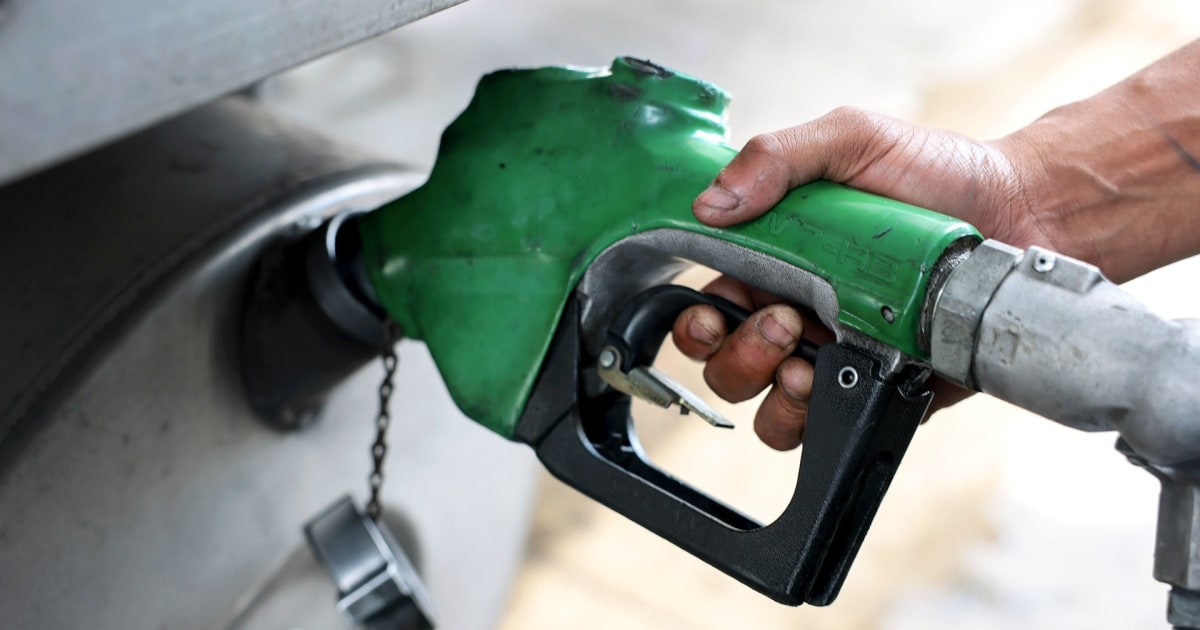
Cover image from today.com, which was analyzed for this article
September inflation came in hotter than expected at 3.7%, driven by energy costs, raising rate hike expectations. Voters report feeling the pinch on groceries ahead of midterms despite administration claims of a strong economy.
PoliticalOS
Thursday, October 15, 2026 — Business
September's 3.7 percent inflation reading, driven by energy, has intensified public concern over prices ahead of the midterms even as official indicators do not show a recession. Markets responded with futures declines tied to rate expectations, while polling shows independents and some Republicans shifting toward pessimism on the economy.
What outlets missed
CNBC coverage omitted any reference to the Harris Poll or voter polling data on recession perceptions and midterm priorities. The Guardian article supplied no official figures on unemployment, GDP, or real wage trends that would allow readers to compare sentiment with measurable conditions. Neither outlet addressed the specific upcoming data releases on producer prices and retail sales that traders were monitoring alongside the consumer inflation print. Video segments from today.com contained no transcribed claims or sourcing that could be checked against the Bureau of Labor Statistics release.
September consumer prices rose 3.7 percent from a year earlier, exceeding forecasts and marking the highest reading before a midterm election since 1990 outside the pandemic period. Energy costs drove the increase, with average gasoline prices climbing more than $1.20 per gallon compared with the prior year and reaching $6.20 per gallon in California. The Bureau of Labor Statistics data prompted immediate market reactions, including declines in S&P 500 and Nasdaq-100 futures as traders priced in the possibility of more aggressive Federal Reserve rate hikes.
Voter sentiment reflected the price pressure. A Harris Poll conducted online from September 24 to October 3, 2026, among 3,998 adults found three-quarters of respondents concerned about recession and 61 percent believing the economy had already entered one, even though standard definitions do not classify current conditions as a recession. Two-thirds identified gas and grocery prices as their top voting issues. Among independents, the share saying the economy was worse rose to 65 percent from 48 percent in September 2024.
Republican optimism also declined. The same poll showed the portion of Republicans who said the economy was improving fell to 28 percent from 49 percent in February 2026. Rural respondents were more likely than urban or suburban ones to report living in "survival mode" and to say neither party offered a solution to affordability problems. Democratic candidates in competitive races have centered campaigns on these costs, while administration statements have continued to describe underlying economic strength.
Additional data releases scheduled for the same week, including producer prices, retail sales, and weekly jobless claims, will provide further readings on whether the September increase broadens beyond energy. Equity markets also tracked separate concerns over technology spending and financing, with shares of companies including Micron Technology and Advanced Micro Devices falling in premarket trading.
More in Business & Economy

Business Activity Holds Up as Selling Prices Rise Fastest Since 2022
S&P Global PMI shows robust activity but selling prices rise at fastest pace since 2022 amid energy and supply chain costs. Halloween candy prices jump 7.7%.

Stock Futures Climb on Anthropic IPO Filing and AI Financing
Major indices rose on enthusiasm from Anthropic's IPO filing and broader AI infrastructure announcements including Meta's massive fundraising plans. Investors are betting heavily on continued AI growth despite valuation concerns.

Tariffs and AI Transition Fuel Growth and Job Worries
Trump's tariff rhetoric and AI-driven restructuring raised concerns about growth, inflation, and job impacts as markets reacted to geopolitical and tech shifts.

AI Companies Weigh Early IPOs as Risks Mount
Nasdaq fell sharply amid concerns over AI spending sustainability and data center costs; Nvidia, Meta, and others were hit as Meta and Tesla reported earnings.
The Compass
You just read five takes on one story.
What's your take? Find your political shape in a few minutes.
Take the test