
US Inflation Hits 3.7% in September, Fueling Voter Anxiety Before Midterms
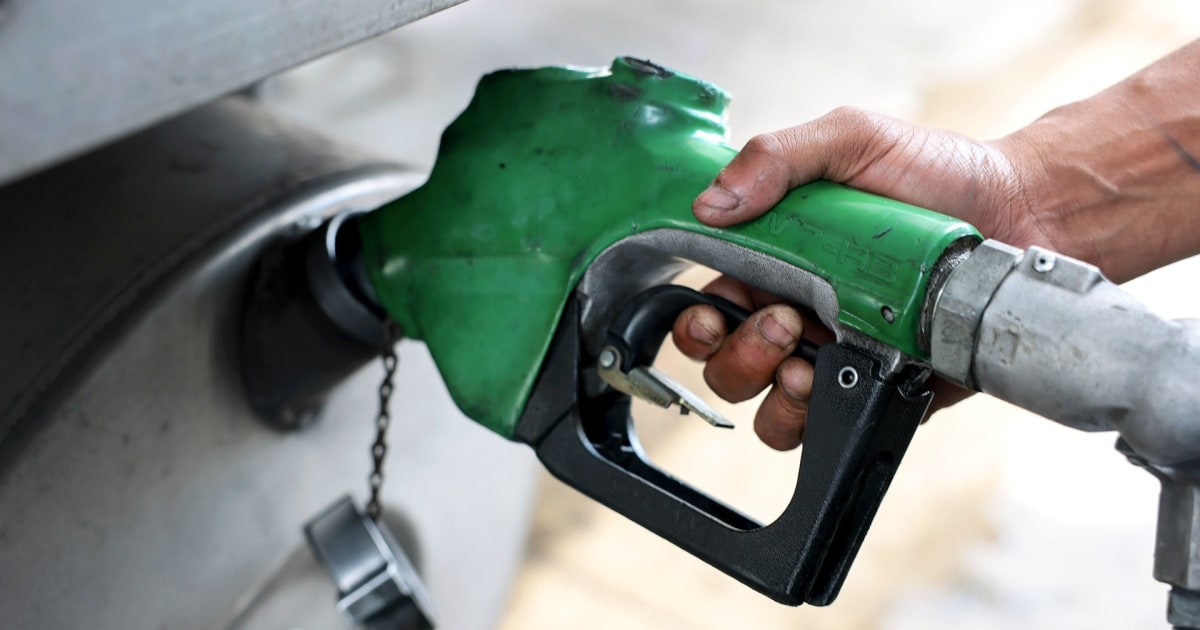
Cover image from today.com, which was analyzed for this article
September inflation came in hotter than expected at 3.7%, driven by energy costs, raising rate hike expectations. Voters report feeling the pinch on groceries ahead of midterms despite administration claims of a strong economy.
PoliticalOS
Thursday, October 15, 2026 — Business
September's 3.7 percent inflation reading, driven by energy, has intensified public concern over prices ahead of the midterms even as official indicators do not show a recession. Markets responded with futures declines tied to rate expectations, while polling shows independents and some Republicans shifting toward pessimism on the economy.
What outlets missed
CNBC coverage omitted any reference to the Harris Poll or voter polling data on recession perceptions and midterm priorities. The Guardian article supplied no official figures on unemployment, GDP, or real wage trends that would allow readers to compare sentiment with measurable conditions. Neither outlet addressed the specific upcoming data releases on producer prices and retail sales that traders were monitoring alongside the consumer inflation print. Video segments from today.com contained no transcribed claims or sourcing that could be checked against the Bureau of Labor Statistics release.
Voters Say Economy Is Worsening as Prices Keep Climbing Ahead of Midterms
A new poll shows growing numbers of independent voters and even some Republicans believe the economy is heading in the wrong direction just weeks before the midterm elections. The Harris survey conducted for the Guardian found that 65 percent of independents now say economic conditions have deteriorated, a sharp rise from 48 percent who felt that way during the 2024 presidential campaign. Among Republicans, optimism has also faded, with only 28 percent saying the economy is improving compared with 49 percent earlier this year.
Three quarters of those polled expressed concern about a possible recession, and 61 percent said they believe the country is already in one. Official figures continue to show the economy has avoided a formal recession by traditional measures, yet everyday costs tell a different story for many households. Gas and grocery prices topped the list of voter priorities, with two thirds naming them as the most important issues heading into November. Living expenses and healthcare costs followed closely behind.
Recent data backs up those concerns on the ground. Inflation has climbed to 3.7 percent amid rising fuel prices, adding pressure at the pump and in store aisles. Retailers and consumers alike report that the cumulative effect of higher energy costs is rippling through supply chains and household budgets. On the campaign trail, President Trump has dismissed the latest inflation reading as a temporary bump, focusing instead on other messages while voters weigh their choices.
Stock market movements add another layer of uncertainty. Futures tied to major indexes slipped in recent sessions as technology shares faced selling pressure over questions about heavy spending on artificial intelligence projects. Companies tied to chips and data centers saw notable drops, while broader indexes showed mixed results. These shifts come as traders digest earnings reports and fresh economic releases that could influence sentiment further.
Rural voters and independents, groups that often decide close races, appear especially sensitive to the gap between official economic readings and what they encounter at the checkout line. The poll indicates that foreign affairs, including recent U.S. actions abroad, also weigh on voters, though pocketbook issues remain dominant. With control of Congress at stake, Republicans are watching whether support among swing groups continues to soften in the final weeks before ballots are cast.
The findings point to a widening disconnect between statistical definitions of economic health and the lived experience of higher costs that show little sign of easing. Voters in key demographics are making clear that prices at the pump and on grocery shelves will shape their decisions more than abstract benchmarks.
You just read America First's take. Want to read what actually happened?
More in Business & Economy

Business Activity Holds Up as Selling Prices Rise Fastest Since 2022
S&P Global PMI shows robust activity but selling prices rise at fastest pace since 2022 amid energy and supply chain costs. Halloween candy prices jump 7.7%.

Stock Futures Climb on Anthropic IPO Filing and AI Financing
Major indices rose on enthusiasm from Anthropic's IPO filing and broader AI infrastructure announcements including Meta's massive fundraising plans. Investors are betting heavily on continued AI growth despite valuation concerns.

Tariffs and AI Transition Fuel Growth and Job Worries
Trump's tariff rhetoric and AI-driven restructuring raised concerns about growth, inflation, and job impacts as markets reacted to geopolitical and tech shifts.

AI Companies Weigh Early IPOs as Risks Mount
Nasdaq fell sharply amid concerns over AI spending sustainability and data center costs; Nvidia, Meta, and others were hit as Meta and Tesla reported earnings.
The Compass
You just read five takes on one story.
What's your take? Find your political shape in a few minutes.
Take the test