
US Inflation Hits 3.7% in September, Fueling Voter Anxiety Before Midterms
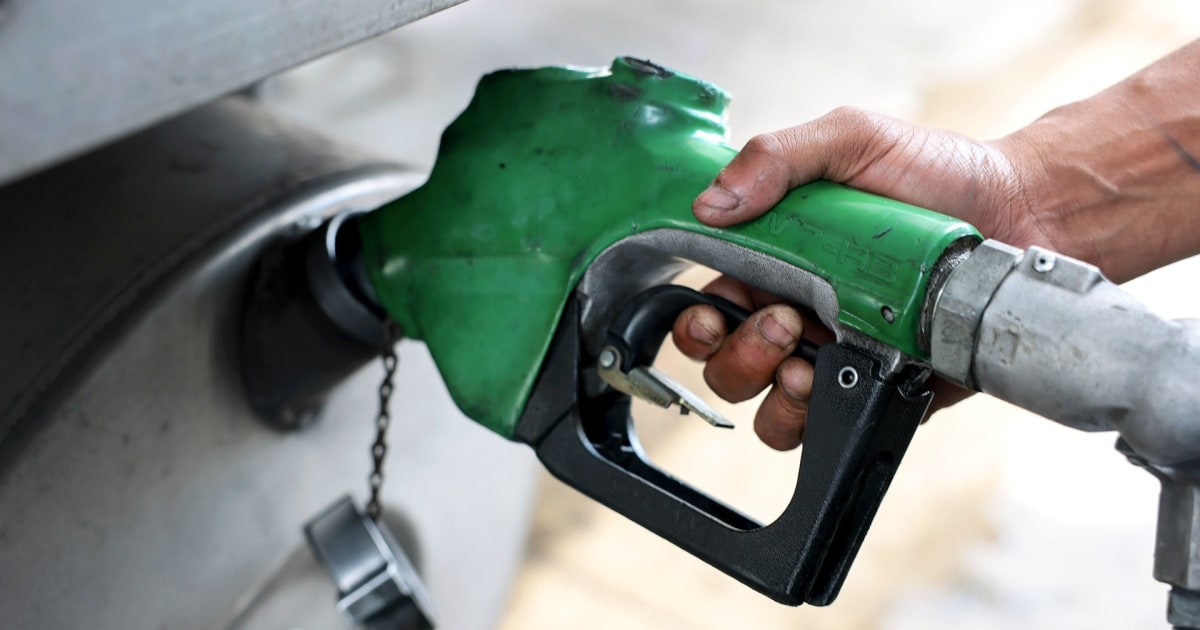
Cover image from today.com, which was analyzed for this article
September inflation came in hotter than expected at 3.7%, driven by energy costs, raising rate hike expectations. Voters report feeling the pinch on groceries ahead of midterms despite administration claims of a strong economy.
PoliticalOS
Thursday, October 15, 2026 — Business
September's 3.7 percent inflation reading, driven by energy, has intensified public concern over prices ahead of the midterms even as official indicators do not show a recession. Markets responded with futures declines tied to rate expectations, while polling shows independents and some Republicans shifting toward pessimism on the economy.
What outlets missed
CNBC coverage omitted any reference to the Harris Poll or voter polling data on recession perceptions and midterm priorities. The Guardian article supplied no official figures on unemployment, GDP, or real wage trends that would allow readers to compare sentiment with measurable conditions. Neither outlet addressed the specific upcoming data releases on producer prices and retail sales that traders were monitoring alongside the consumer inflation print. Video segments from today.com contained no transcribed claims or sourcing that could be checked against the Bureau of Labor Statistics release.
Voters Grow Pessimistic About Economy Ahead of Midterms
A new poll shows deepening frustration with economic conditions among key voting blocs just weeks before the November midterms, with independents and even some Republicans expressing sharp doubts about the direction of the economy under President Trump. The survey, conducted by Harris for the Guardian, found that 65 percent of independents now describe the economy as getting worse, a sharp rise from 48 percent who said the same during the 2024 presidential campaign. Among Republicans, optimism has also faded, dropping to 28 percent who say conditions are improving, down from 49 percent earlier in the year.
The findings point to prices at the grocery store and gas pump as the dominant concern for voters. Two-thirds of those surveyed identified gas and food costs as their top issues heading into the election, ahead of broader living expenses or health care. This focus persists even as official data indicate the economy is not in recession by standard measures. Still, 61 percent of respondents believe the country is already in one, and three-quarters expressed worry that a downturn is coming.
These perceptions appear to be reshaping the political map in competitive districts. Republicans have counted on strong support from rural voters and a reliable base, yet the poll shows erosion even there. Independents, who often decide close races, are registering the steepest shift in sentiment. High prices have lingered from earlier inflation spikes and recent fuel cost increases, creating a gap between statistical indicators and household experiences that analysts say tends to favor challengers in midterm environments.
Trump has sought to downplay the inflation data on the campaign trail, arguing that underlying strength in employment and growth will eventually register with voters. The message has not fully landed with the groups the poll identifies as most unsettled. Market movements in recent sessions, including declines in technology shares tied to concerns over artificial intelligence spending, have added to a sense of uncertainty without yet altering the broader employment picture.
The disconnect between measured economic performance and public views is not new, but it carries particular weight in a midterm cycle where control of Congress is at stake. Voters who report feeling squeezed by daily costs often prioritize those pressures over longer-term trends. With the election less than three weeks away, the poll suggests Republicans face a narrowing path to hold their majorities if the current mood holds among independents and persuadable Republicans. Democrats, for their part, will need to show they can address the same price concerns without reigniting broader inflation fears that have dogged recent cycles.
The data underscore how economic sentiment can diverge from official statistics in ways that directly influence turnout and preference. Whether that divergence narrows or widens before Election Day will likely determine the balance of power in the next Congress.
You just read Liberal's take. Want to read what actually happened?
More in Business & Economy

Business Activity Holds Up as Selling Prices Rise Fastest Since 2022
S&P Global PMI shows robust activity but selling prices rise at fastest pace since 2022 amid energy and supply chain costs. Halloween candy prices jump 7.7%.

Stock Futures Climb on Anthropic IPO Filing and AI Financing
Major indices rose on enthusiasm from Anthropic's IPO filing and broader AI infrastructure announcements including Meta's massive fundraising plans. Investors are betting heavily on continued AI growth despite valuation concerns.

Tariffs and AI Transition Fuel Growth and Job Worries
Trump's tariff rhetoric and AI-driven restructuring raised concerns about growth, inflation, and job impacts as markets reacted to geopolitical and tech shifts.

AI Companies Weigh Early IPOs as Risks Mount
Nasdaq fell sharply amid concerns over AI spending sustainability and data center costs; Nvidia, Meta, and others were hit as Meta and Tesla reported earnings.
The Compass
You just read five takes on one story.
What's your take? Find your political shape in a few minutes.
Take the test