
Fragile US-Iran Ceasefire Strains Over Strait of Hormuz Tolls and Partial Shipping Halt
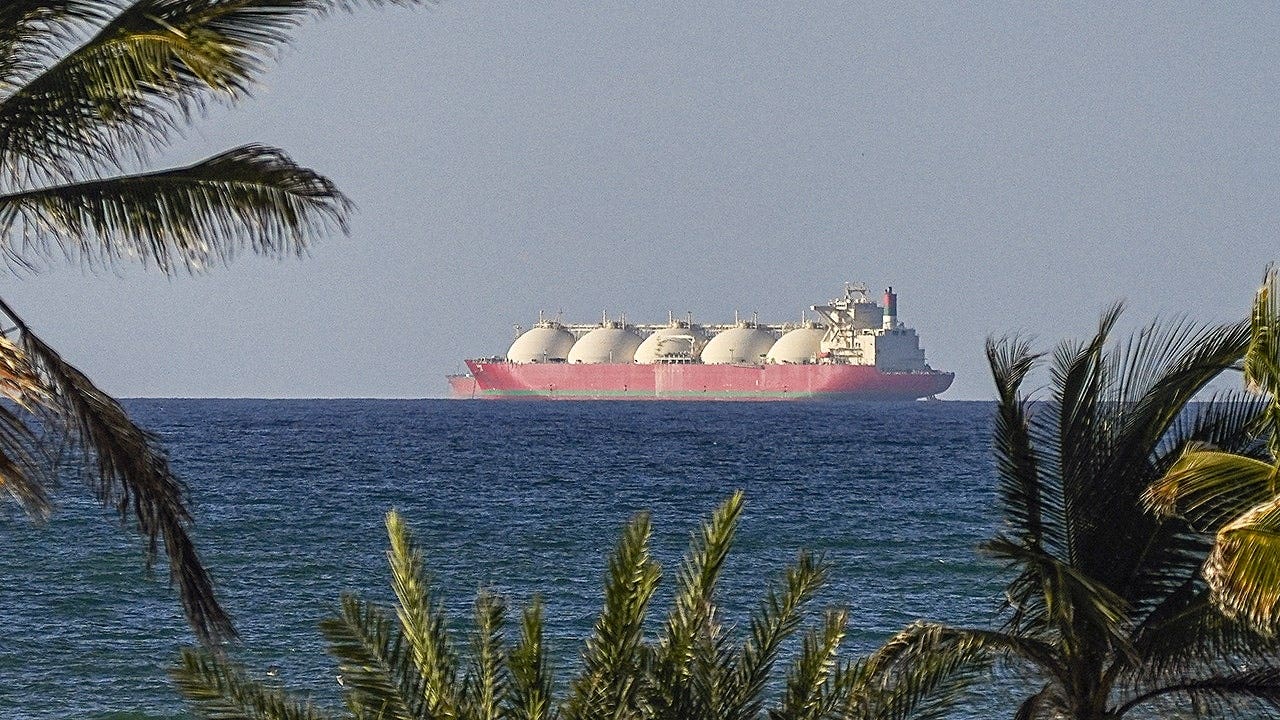
Cover image from foxnews.com, which was analyzed for this article
A recently brokered two-week US-Iran ceasefire is under strain as Iran reportedly imposes fees and halts oil traffic through the Strait of Hormuz, prompting Trump warnings of strikes if unresolved. High-level talks led by VP JD Vance are planned in Pakistan amid ongoing disruptions to global shipping. Coverage highlights Republican concerns over war costs and Democratic criticisms of escalation risks.
PoliticalOS
Friday, April 10, 2026 — Politics
The ceasefire's core test is whether Iran and the U.S. can agree on verifiable, toll-free shipping through the Strait of Hormuz without one side dominating the waterway that supplies one-fifth of global oil. Diplomacy led by Vance in Pakistan offers a narrow window to address linked issues like Lebanon strikes, sanctions, and nuclear stocks before economic pain or renewed strikes escalate. Readers should recognize that partial traffic continues under monitored corridors, costs are already hitting households worldwide, and no single actor holds all leverage in this multiparty standoff.
What outlets missed
Most coverage omitted that the ceasefire explicitly required shipping coordination with Iran's armed forces, framing limited IRGC-managed transits near Larak Island as outright violation rather than implementation of agreed terms. Outlets downplayed the full sequence of pre-war provocations, including Iranian proxy attacks and nuclear advances that preceded U.S.-Israeli strikes on February 28, 2026. Human costs received uneven treatment: few quantified U.S. casualties in the hundreds or detailed Iranian civilian deaths near military sites like the Minab school adjacent to an IRGC base. The status of enriched uranium stockpiles and potential for their removal or bargaining was glossed over despite satellite imagery showing hardened underground sites. Finally, Japan's specific reserve releases and Saudi pipeline shifts to Yanbu were rarely tied to concrete barrel-per-day disruptions, leaving readers without a full picture of how global rerouting adds two weeks and 25 percent costs to voyages.
Fragile Ceasefire With Iran Shows Signs of Strain as Costs Mount and Hormuz Remains Blocked
Vice President JD Vance arrives in Pakistan this weekend to begin high-level negotiations with Iranian officials aimed at converting a shaky two-week ceasefire into a durable end to six weeks of conflict between the United States, Israel and Iran. The talks represent the highest-level contact between Washington and Tehran since 1979 and come as the war’s economic fallout continues to ripple through global energy markets and American household budgets.
President Trump announced the ceasefire on April 7 after issuing pointed warnings that Iran must reopen the Strait of Hormuz to oil traffic. The agreement, mediated by Pakistan, hinged on Iran allowing safe passage for vessels through the narrow waterway that carries roughly one-fifth of global oil supply. In exchange the United States received what Trump described as a workable 10-point plan for longer-term talks. Iran pledged to halt interference with shipping. Yet within days multiple reports indicated the strait remains effectively closed to commercial oil traffic.
Analysts at Kpler, a maritime data firm, report no oil tankers have transited the strait in recent days despite the truce. A backlog of more than 3,200 vessels, including 800 tankers, has formed. President Trump responded sharply on Truth Social, stating Iran is doing “a very poor job, dishonorable some would say” of honoring the deal. “That is not the agreement we have,” he wrote. Iranian officials have floated demands for tolls on passing ships, paid in cryptocurrency, to fund reconstruction. Oman, whose territorial waters form the southern side of the strait, has rejected any role in collecting such fees, citing international maritime law.
The economic consequences are already visible. Oil prices have risen about 50 percent since the conflict intensified, triggering inflationary pressure on gasoline, diesel, jet fuel and consumer goods. Japan announced another emergency release of oil reserves to cushion its economy. Damage to liquefied natural gas facilities and other infrastructure has affected supply chains from India to chipmakers in Asia. At home the war has complicated Republican messaging on inflation and affordability ahead of midterm elections.
Congress returns from recess next week to confront the bill. The Center for Strategic and International Studies estimates the cost so far near $30 billion. Republicans hold majorities in both chambers but face the 1973 War Powers Resolution, which requires congressional approval for operations beyond 60 days. Some GOP senators have already voiced unease. Susan Collins of Maine called Trump’s earlier rhetoric “incendiary” and urged a swift end to the fighting. Detailed cost breakdowns from the administration have not yet been released, setting up what one lawmaker described as a high-stakes internal debate over supplemental funding.
The original aims of Operation Epic Fury, as laid out by Trump, included preventing Iran from acquiring a nuclear weapon, destroying its missile production capacity and degrading its navy. Defense Secretary Pete Hegseth claimed substantial success, saying Iranian factories had been “razed to the ground” and its command structure shattered. Independent analysts are more cautious. While launchers and stockpiles were hit, some experts note Iran retains the ability to produce missiles over time and its nuclear program was not the primary target of strikes. Regime change, mentioned early in the campaign, appears off the table as negotiators focus on sanctions relief and non-aggression assurances.
Complicating the ceasefire further are Israeli strikes in Lebanon that killed more than 300 people the day after the truce was declared. Iran has cited those attacks as justification for slowing its compliance on the strait. Tehran has long insisted that any final deal must respect its sovereignty and provide verifiable protections against future American or Israeli action. Narges Bajoghli, a Johns Hopkins professor of Middle East studies, noted that Iran’s leadership remembers previous broken agreements and will demand more than verbal promises.
The path to a lasting settlement remains narrow. Vance, who privately counseled against a full-scale war before it began, now carries the administration’s lead role in talks alongside special envoy Steve Witkoff and Jared Kushner. Success would require threading the needle between Iran’s demand for sanctions relief and American insistence that Tehran verifiably abandon nuclear weapons ambitions and cease support for regional proxies. Failure could see renewed fighting, higher energy prices and still larger costs for U.S. taxpayers already weary of foreign entanglements.
For now the ceasefire holds only in outline. Tankers remain idled, oil prices stay elevated and lawmakers prepare to debate how much more Americans will pay for a conflict that has so far produced a fragile pause rather than decisive victory. The coming days in Pakistan will test whether diplomacy can succeed where force reached its limit.
You just read Conservative's take. Want to read what actually happened?