
Fragile US-Iran Ceasefire Strains Over Strait of Hormuz Tolls and Partial Shipping Halt
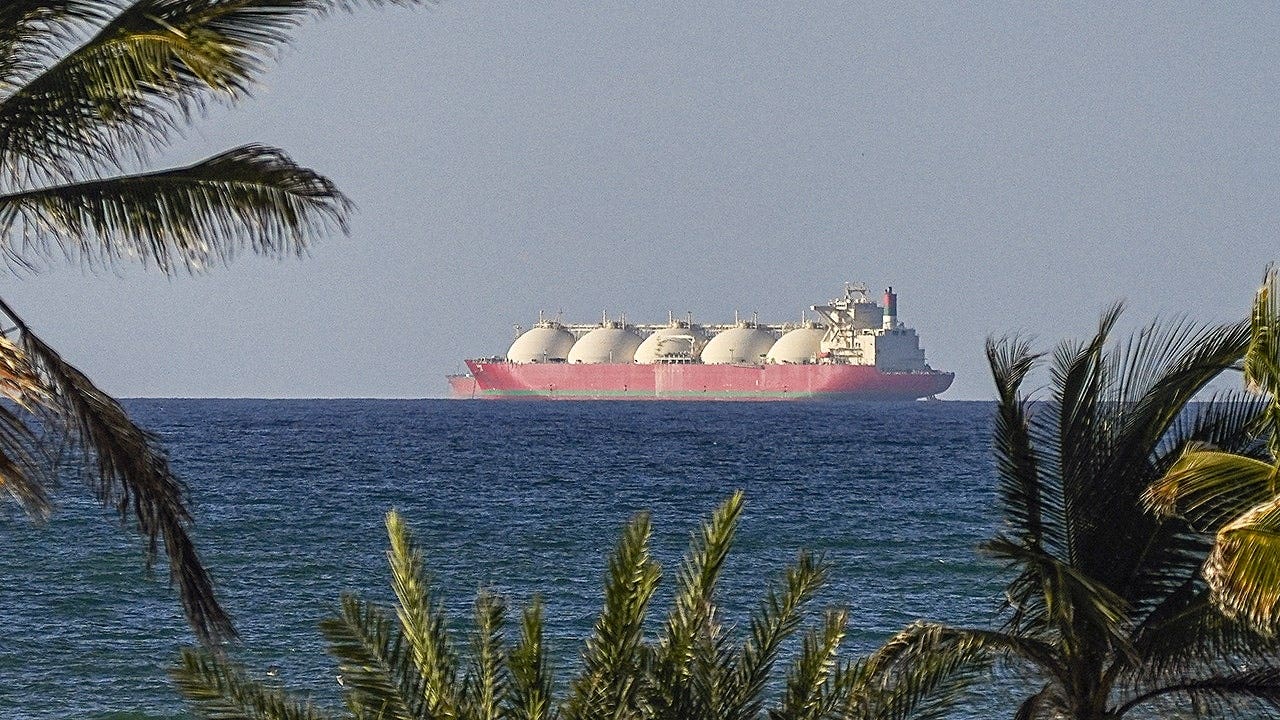
Cover image from foxnews.com, which was analyzed for this article
A recently brokered two-week US-Iran ceasefire is under strain as Iran reportedly imposes fees and halts oil traffic through the Strait of Hormuz, prompting Trump warnings of strikes if unresolved. High-level talks led by VP JD Vance are planned in Pakistan amid ongoing disruptions to global shipping. Coverage highlights Republican concerns over war costs and Democratic criticisms of escalation risks.
PoliticalOS
Friday, April 10, 2026 — Politics
The ceasefire's core test is whether Iran and the U.S. can agree on verifiable, toll-free shipping through the Strait of Hormuz without one side dominating the waterway that supplies one-fifth of global oil. Diplomacy led by Vance in Pakistan offers a narrow window to address linked issues like Lebanon strikes, sanctions, and nuclear stocks before economic pain or renewed strikes escalate. Readers should recognize that partial traffic continues under monitored corridors, costs are already hitting households worldwide, and no single actor holds all leverage in this multiparty standoff.
What outlets missed
Most coverage omitted that the ceasefire explicitly required shipping coordination with Iran's armed forces, framing limited IRGC-managed transits near Larak Island as outright violation rather than implementation of agreed terms. Outlets downplayed the full sequence of pre-war provocations, including Iranian proxy attacks and nuclear advances that preceded U.S.-Israeli strikes on February 28, 2026. Human costs received uneven treatment: few quantified U.S. casualties in the hundreds or detailed Iranian civilian deaths near military sites like the Minab school adjacent to an IRGC base. The status of enriched uranium stockpiles and potential for their removal or bargaining was glossed over despite satellite imagery showing hardened underground sites. Finally, Japan's specific reserve releases and Saudi pipeline shifts to Yanbu were rarely tied to concrete barrel-per-day disruptions, leaving readers without a full picture of how global rerouting adds two weeks and 25 percent costs to voyages.
Fragile Ceasefire Unravels as Vance Prepares for High Stakes Iran Negotiations
The two week ceasefire between the United States and Iran is already buckling under mutual recriminations and regional violence just days after its announcement exposing the limits of a war that President Trump declared a total victory. Vice President JD Vance is set to lead an unprecedented negotiating team to Pakistan this weekend for direct talks with Iranian officials the highest level meeting since the 1979 revolution. The discussions aim to convert the fragile pause into a durable agreement but the path is littered with violations disputes over oil transit and deep skepticism on both sides.
The war which stretched across six weeks of American and Israeli strikes on Iranian targets began with sweeping American objectives. Trump outlined plans to obliterate Iran’s missile industry destroy its navy prevent any nuclear breakout and even create conditions for regime change. Defense Secretary Pete Hegseth later claimed the missile program had been functionally destroyed with factories razed and command structures shattered. Yet independent analysts and even some within the administration acknowledge that Iran retains the ability to rebuild and that its nuclear program while set back remains intact. A preliminary U.S. military investigation also pointed to American responsibility for a February 28 strike on an elementary school in Minab that killed more than 175 people most of them children. Neither Trump nor Hegseth has expressed remorse instead framing the conflict in overtly religious terms. Hegseth’s pastor Brooks Potteiger preached at the Pentagon that God sovereignly guides even Tomahawk missiles a rhetoric that aligned with the defense secretary’s repeated invocations of divine providence.
The human and economic costs have been staggering. Israeli strikes on Lebanon the day after the ceasefire killed more than 300 people according to reports from the region an escalation that directly undercuts the truce. Iran has long maintained that any agreement must address its broader security including nonaggression guarantees from Washington. Narges Bajoghli a Johns Hopkins University professor of Middle East studies told The Intercept that Tehran will not simply take American promises at face value after repeated past betrayals. Sanctions relief and respect for Iranian sovereignty remain core demands.
Complicating the diplomacy is a growing crisis in the Strait of Hormuz. Reopening the waterway to unrestricted oil traffic was a central condition of the ceasefire yet traffic has largely halted. Roughly 3200 vessels including 800 tankers are backed up. No oil tankers have moved in recent days according to shipping analysts. Iran has demanded tolls on passing ships reportedly seeking cryptocurrency payments to fund reconstruction. Trump responded sharply on Truth Social calling the behavior dishonorable and a violation of the agreement. His brief flirtation with a joint U.S. Iran toll arrangement was quickly walked back by spokespeople insisting on toll free passage. The disruption has already driven global oil prices up 50 percent triggered emergency reserve releases in Japan and rippled through supply chains for everything from liquefied natural gas to jet fuel. Nearly 20000 mariners remain stranded.
At home the war’s price tag is becoming a political liability for Republicans who control Congress. The Center for Strategic and International Studies estimates costs near 30 billion dollars so far with more requests expected when lawmakers return from recess. The 1973 War Powers Resolution looms large requiring congressional approval after 60 days of hostilities or a presidential extension. Senator Susan Collins and other GOP voices have publicly criticized Trump’s incendiary rhetoric and called for a swift end to the fighting. Democrats are poised to demand detailed accounting and oversight. The conflict has already scrambled Republican midterm messaging on inflation and affordability as energy prices surge.
The choice of Vance to lead the talks is notable. He privately warned against a full scale war before it began yet now finds himself its chief diplomat alongside special envoy Steve Witkoff and Jared Kushner. The assignment pulls him away from domestic priorities at a moment when pocketbook concerns dominate voter anxiety. Iranian officials arrive at the table from a position of demonstrated resilience. Despite the damage to infrastructure they have leveraged control of the strait to extract economic pressure and have used Israeli actions in Lebanon to question American commitments.
Whether these talks produce a lasting framework or simply extend a shaky truce remains uncertain. Iran has signaled it will not accept vague assurances while the Trump administration continues to project strength even as evidence of overreach mounts. The school bombing the Lebanese casualties the economic shockwaves and the congressional funding fight all underscore the war’s enduring consequences. A return to diplomacy may be the least bad option but success will require navigating red lines on sovereignty sanctions and regional behavior that have thwarted previous efforts. For now the ceasefire exists mostly in name as tankers sit idle missiles remain on alert and the human toll continues to mount.
You just read Liberal's take. Want to read what actually happened?