
Fragile US-Iran Ceasefire Tested by Hormuz Blockade and Islamabad Talks
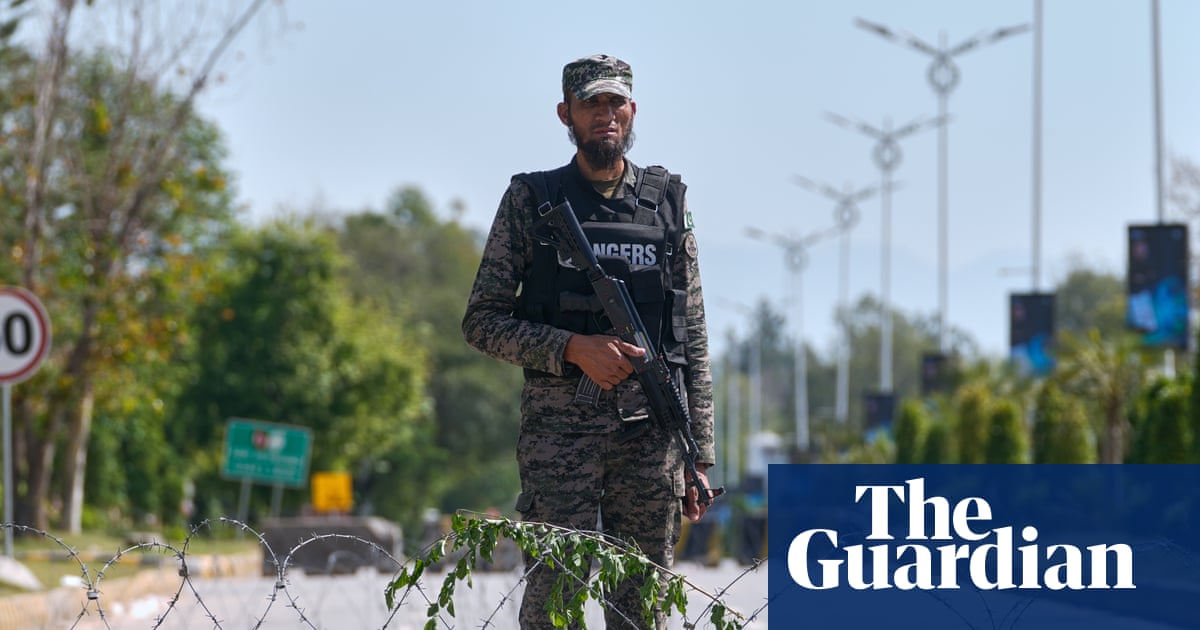
Cover image from theguardian.com, which was analyzed for this article
President Trump announced a two-week ceasefire with Iran following airstrikes, but Iran continues to block the Strait of Hormuz, keeping oil flows disrupted and straining the truce. High-level US-Iran talks are set for Islamabad amid accusations of violations, with VP Vance tasked to lead negotiations. Fighting persists between Israel and Hezbollah in Lebanon, further complicating the agreement as Netanyahu rejects including them.
PoliticalOS
Friday, April 10, 2026 — Politics
The two-week ceasefire is under immediate pressure from Iran's restricted Hormuz access, ongoing Israel-Hezbollah fighting and unresolved disputes over nuclear materials and sanctions. Islamabad talks led by Vance offer the first high-level diplomatic opening since 1979 but face steep obstacles given both sides' claims of victory alongside accusations of bad faith. Readers should recognize that while U.S. strikes significantly degraded Iranian capabilities, Tehran retains disruptive tools that could prolong economic pain and risk renewed conflict if talks collapse.
What outlets missed
Most outlets underplayed the February 28 origins of the conflict, when U.S. and Israeli strikes killed Supreme Leader Ayatollah Ali Khamenei and targeted nuclear and military sites following proxy attacks and enrichment advances. Full casualty figures across all sides, including over 3,400 Iranian and Lebanese dead plus 13 U.S. service members, were rarely aggregated or attributed to specific sources like health ministries and Central Command. The exact terms of Iran's 10-point proposal and Pakistan's mediation role, which explicitly tied Hormuz reopening to coordination with Iranian forces, received scant detail despite shaping the current impasse. Prior U.S. Operation Midnight Hammer in June 2025, which set back Iran's nuclear program by two years according to CSIS assessments, was mentioned only in passing if at all.
Israel Undermines Iran Ceasefire as Vance Prepares for High Stakes Pakistan Talks
Vice President JD Vance arrives in Pakistan this weekend to negotiate what could be the end of America's latest Middle East war a conflict that many in the Trump orbit never wanted in the first place. The two week ceasefire announced by President Trump on April 7 already looks shaky not because of Tehran but because Israel has escalated attacks on Lebanon killing more than 300 people in a single day while Iranian officials accuse the Israelis of violating the truce from the start.
The war began February 28 with American and Israeli strikes on Iran. Trump called it Operation Epic Fury and laid out sweeping goals: destroying Iran's nuclear program its missile factories its navy and ultimately clearing the way for ordinary Iranians to overthrow their government. Defense Secretary Pete Hegseth claimed this week that Iran's missile production has been "functionally destroyed" with factories razed. Independent experts are less certain pointing out that Tehran still retains some capability and that the mullahs remain firmly in power. The human and financial toll on the American side remains murky but one estimate from the Center for Strategic and International Studies puts the cost near 30 billion dollars so far. That number will matter when Congress returns from recess and Republicans who control both chambers confront the 1973 War Powers Resolution which requires legislative approval for military operations beyond 60 days.
The ceasefire brokered by Pakistan was supposed to pause the fighting and reopen the Strait of Hormuz the narrow waterway through which a fifth of the world's oil and liquefied natural gas once flowed. Iran agreed to allow safe passage. In exchange the United States received what Trump described as a workable 10 point plan for longer term negotiations. Yet reality on the water tells a different story. Roughly 3 200 vessels including 800 tankers now sit idle west of the strait. Oil traffic remains effectively halted. No tankers have made the journey in recent days according to shipping analysts. Iran has demanded tolls in cryptocurrency and directed ships along special routes near its islands citing naval mines. Trump posted on Truth Social that Tehran is doing a "very poor job" and warned "that is not the agreement we have."
Global energy prices have surged 50 percent. Japan is tapping emergency oil reserves. American families already squeezed by years of inflation are now facing higher costs at the pump for groceries and for nearly everything that moves by truck or ship. This is the predictable result of allowing Washington to stumble into another Middle East conflict that was sold as quick and decisive but has instead delivered higher prices and new risks to U S servicemen and the economy.
JD Vance the man now tasked with closing the deal was never a cheerleader for this war. Before the bombs started falling Vance warned privately that striking Iran could create regional chaos and fracture the very coalition that elected Trump. His public support for the operation has been measured. He stayed largely out of the spotlight during the fighting even traveling to Hungary to campaign for Viktor Orban as the bombs fell. Now Vance Steve Witkoff and Jared Kushner will sit across from Iranian officials in Islamabad in the highest level meeting between the two governments since 1979. The agenda includes sanctions relief a non aggression commitment from Washington and guarantees for Iran's sovereignty. Narges Bajoghli a Johns Hopkins professor who studies the region says Tehran has been burned too many times by American promises to accept vague assurances. Independence is their red line.
Complicating everything is Israel's refusal to treat the ceasefire as comprehensive. Prime Minister Benjamin Netanyahu declared there is "no ceasefire in Lebanon" and authorized continued strikes on Hezbollah which entered the fight in support of Iran. The day after Trump announced the pause Israeli jets pounded Beirut and other targets. Lebanese health officials reported more than 300 dead in that first 24 hours alone. Iran has cited these attacks as justification for maintaining its leverage over the strait. Israeli actions appear designed to keep the conflict alive and drag the United States deeper in. That is a familiar pattern one that has cost American blood and treasure for decades while delivering little tangible benefit to U S national security.
Republicans on Capitol Hill are already bracing for the funding fight. Senator Susan Collins of Maine publicly called Trump's early rhetoric "incendiary" and demanded a swift end to the conflict. Other GOP voices worry about the price tag and the political fallout ahead of midterm elections. The war has already scrambled Republican messaging on the economy. Instead of focusing on border security and inflation voters are watching gas prices spike because of a dispute over an Iranian shipping lane.
Trump himself has sent mixed signals. He once warned that an entire Iranian civilization could be wiped out. Then he pivoted to praising the 10 point plan and the chance for a durable peace. His latest posts suggest frustration with both Iran and the slow pace of oil flows. Yet the president has also mused about joint ventures to secure the strait raising eyebrows among those who remember that international law forbids exactly the kind of toll taking now complicating negotiations. The United States never ratified the Law of the Sea treaty. Neither did Iran. Both sides are now learning why that matters.
The Vance mission carries enormous risk. Success could deliver the kind of diplomatic off ramp America rarely achieves in the region one that puts U S interests first and avoids the forever war trap. Failure could mean renewed fighting higher casualties and even greater economic pain for working families here at home. For a vice president who built his brand on skepticism of endless foreign entanglements this assignment will test whether the America First wing of the Republican Party can actually steer policy away from the same neoconservative mistakes of the past.
As the talks begin in Islamabad the central question remains whether the United States will allow itself to be pulled back into conflict by Israeli actions or whether Trump and Vance can force a genuine off ramp that ends the war ends the economic damage and ends another chapter of Washington playing global policeman. The American people exhausted by two decades of conflict in the Middle East deserve the latter. Whether they get it may depend on how firmly Vance holds the line this weekend.
You just read America First's take. Want to read what actually happened?