
Trump Announces Israel-Lebanon Leader Talks as US-Iran Ceasefire Faces Extension Push

Cover image from nypost.com, which was analyzed for this article
Diplomatic momentum builds as US and Iran discuss extending the ceasefire by two weeks amid the Hormuz blockade. Trump announces Israeli and Lebanese leaders will hold their first talks in 34 years to create breathing room. Optimism grows that the conflict nears an end, stabilizing markets.
PoliticalOS
Thursday, April 16, 2026 — Politics
Diplomatic announcements around Israel-Lebanon leader talks and a potential US-Iran ceasefire extension have generated optimism and market reactions, yet key elements remain unconfirmed by the parties involved. Israeli operations against Hezbollah continue in southern Lebanon while the group rejects any negotiated outcomes, and the selective Hormuz blockade has produced measurable economic pressure alongside disputed compliance claims. The single most important reality is that announced breathing room has not yet translated into halted fighting or verified agreements on the ground.
What outlets missed
Most outlets underplayed or omitted the April 14 ambassador-level meeting in Washington between Israel and Lebanon, which several sources describe as the first direct contact in decades and direct precursor to the leader-level announcement. Hezbollah's immediate dismissal of that meeting, coupled with its public statement that it would not abide by any agreements, received inconsistent coverage despite altering the prospects for implementation. The selective nature of the Hormuz blockade, its confirmed initial effectiveness against Iranian ports per Pentagon statements, and the resulting oil price surge above $100 per barrel were minimized in pro-diplomacy stories. Iranian accusations of US and Israeli ceasefire violations, including reported drone incursions, were rarely balanced against claims that Washington has upheld the pause. Cumulative casualties, including over 2,000 Lebanese deaths and documented US service member losses, were often referenced vaguely or dropped entirely in favor of upbeat framing.
Trump Announces First Israeli Lebanese Leadership Talks in Over Three Decades
President Donald Trump said Wednesday night that Israeli Prime Minister Benjamin Netanyahu and Lebanese President Joseph Aoun will hold direct talks on Thursday, the first such conversation between the countries' leaders in 34 years. In a post on Truth Social, Trump described the effort as an attempt to create "a little breathing room between Israel and Lebanon." The announcement comes as a fragile ceasefire holds between the United States, Israel, and Iran, following American military operations that have altered the balance of power across the region.
The talks follow preliminary discussions between Israeli and Lebanese negotiators in Washington on Tuesday. Israeli security cabinet member Gila Gamliel confirmed the leaders' involvement, according to reports from Al Jazeera. No formal agenda has been released, and neither government has detailed what conditions might produce a lasting agreement. Yet the mere fact of direct engagement after more than three decades underscores how pressure on Iran's network of proxies has opened a narrow window for diplomacy.
Lebanon has functioned for years as a base for Hezbollah, the Iranian-backed militant group that has launched thousands of rockets into Israel and effectively controlled large sections of the country. Israel has made clear that its current operations aim to dismantle Hezbollah's military infrastructure rather than pursue open-ended conflict with the Lebanese state. Netanyahu reiterated in a video statement that the goal remains destroying the group's capacity to threaten Israeli civilians. Israeli strikes continued Wednesday in southern Lebanon, with state media reporting at least 20 deaths. Evacuation orders remain in effect for border communities, and the overall death toll in Lebanon has surpassed 2,000 since hostilities intensified.
These actions occur against the backdrop of a broader campaign to constrain Iran. The United States has maintained a blockade of Iranian ports through the Strait of Hormuz, a move President Trump has said will continue until Tehran demonstrates seriousness about limiting its nuclear program. Defense Secretary Pete Hegseth and Joint Chiefs Chairman Gen. Dan Caine were scheduled to provide an update from the Pentagon on Thursday morning. Trump, speaking earlier this week to Fox Business, described the Iran situation as "very close to over" and suggested that American strikes under Operation Epic Fury had set back Tehran's ambitions by decades. "If I didn't do that, right now you'd have Iran with a nuclear weapon," he said. "And if they had a nuclear weapon, you'd be calling everybody over there 'sir.'"
The president also predicted that oil prices, which spiked amid supply disruptions, would decline once stability returns and that the stock market "is going to boom." Such comments reflect a consistent view that credible strength, not endless negotiation without leverage, produces results. The current two-week ceasefire between the U.S.-Israel alliance and Iran has created space for these side diplomatic efforts. Vice President JD Vance led recent talks on Iran's nuclear enrichment, which produced no immediate breakthrough but are set to resume.
Critics have questioned aspects of the administration's public messaging, particularly around the precise mechanics of a naval blockade. Military analysts note that enforcing such measures involves complex logistics, risk of escalation, and coordination across international waters. Yet the practical effect has been to squeeze Iran's economy and limit its ability to resupply proxies like Hezbollah. That pressure appears to be influencing behavior in Beirut, where the government has long struggled to assert authority over a heavily armed militia funded and directed by Tehran.
Ambassador Yechiel Leiter described the Washington talks as a "wonderful exchange" even as no ceasefire between Israel and Hezbollah has been finalized. The distinction matters. Lebanon cannot achieve genuine sovereignty while Hezbollah operates as a state within a state. Decades of indirect talks mediated by outsiders produced little beyond temporary pauses in violence. Direct conversation between Netanyahu and Aoun, however limited, bypasses some of those intermediaries and forces Lebanese leaders to confront their own incentives.
The timing aligns with patterns seen in earlier diplomatic openings during Trump's first term. When adversaries concluded that American policy combined military resolve with economic incentives, previously frozen conflicts sometimes thawed. Supporters argue this approach recognizes a basic reality: Iran has used Hezbollah, Hamas, and other groups to wage war on Israel while avoiding direct confrontation that might threaten the regime in Tehran. Reducing Iran's capacity to fund and arm those proxies creates new possibilities.
No one expects a comprehensive peace treaty to emerge from a single phone call. The history of mistrust runs deep, and Hezbollah retains significant domestic political power in Lebanon. Yet the willingness of the two leaders to speak directly for the first time since the early 1990s represents a departure from the status quo that has delivered only recurring rounds of destruction. More than 2,000 Lebanese have died in the latest fighting, alongside significant Israeli casualties and damage on both sides of the border. Creating "breathing room," as Trump put it, requires addressing the root problem of an Iranian revolutionary regime that exports violence as a matter of ideology and survival strategy.
Whether Thursday's conversation leads to concrete de-escalation will depend on whether all parties recognize changed realities on the ground. Israel's continued targeting of Hezbollah assets demonstrates it will not accept a return to the pre-October 2023 status quo. The American blockade signals that Iran's nuclear ambitions face genuine obstacles. In that environment, direct talks may reveal whether Lebanon can begin to reclaim agency from a militia that has cost it dearly, or whether the old patterns will reassert themselves once external pressure eases.
For now, the simple fact that the leaders will speak marks a potential inflection point. In a region where incentives have long favored conflict over accommodation, altering those incentives through sustained pressure has once again produced diplomatic movement where none existed before.
You just read Conservative's take. Want to read what actually happened?
More in Politics
Trump at 32% Approval as Gas Prices Test GOP Midterm Hopes
NYT/Siena polling showed Trump's approval at historic lows around 32 percent with Democrats leading by double digits in key districts. Early voting has surged in battleground states.

Record Early Voting Hits Battlegrounds, Shifting Partisan Shares
AP analysis found hundreds of thousands more early ballots than in 2022 in states including Texas, Ohio, Kansas, Maine, and North Carolina, shifting partisan dynamics.
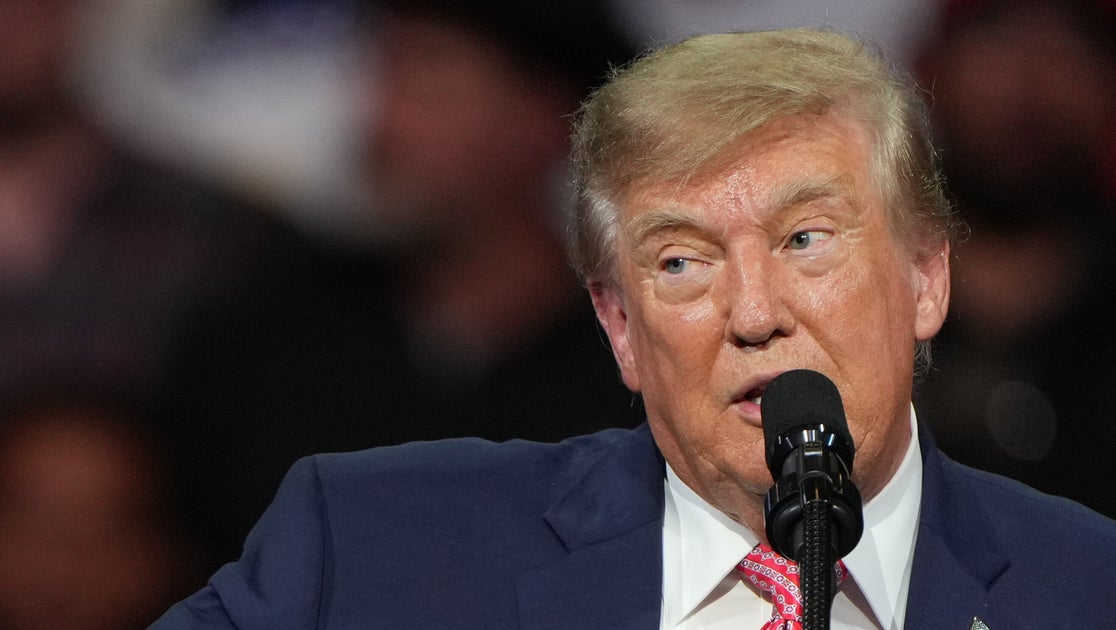
Trump Backs Marshall in Kansas Senate Race Tightened by Farm Costs
President Trump rallied in deep-red Kansas for GOP Sen. Roger Marshall in a competitive race, announcing an $8 billion farm fuel relief program amid high diesel prices. Democrats see an opening to end 94 years of GOP dominance in the state.

Trump Pauses Russia Sanctions Amid Ukraine Tensions and Missile Strikes
Trump waived sanctions on Russia and floated trilateral talks with Putin and Xi as part of ending the Ukraine war, while tensions rose with Zelenskyy over Starlink and arms. Bipartisan senators engaged Zelenskyy amid the shifts.
The Compass
You just read five takes on one story.
What's your take? Find your political shape in a few minutes.
Take the test