
Trump Announces Israel-Lebanon Leader Talks as US-Iran Ceasefire Faces Extension Push

Cover image from nypost.com, which was analyzed for this article
Diplomatic momentum builds as US and Iran discuss extending the ceasefire by two weeks amid the Hormuz blockade. Trump announces Israeli and Lebanese leaders will hold their first talks in 34 years to create breathing room. Optimism grows that the conflict nears an end, stabilizing markets.
PoliticalOS
Thursday, April 16, 2026 — Politics
Diplomatic announcements around Israel-Lebanon leader talks and a potential US-Iran ceasefire extension have generated optimism and market reactions, yet key elements remain unconfirmed by the parties involved. Israeli operations against Hezbollah continue in southern Lebanon while the group rejects any negotiated outcomes, and the selective Hormuz blockade has produced measurable economic pressure alongside disputed compliance claims. The single most important reality is that announced breathing room has not yet translated into halted fighting or verified agreements on the ground.
What outlets missed
Most outlets underplayed or omitted the April 14 ambassador-level meeting in Washington between Israel and Lebanon, which several sources describe as the first direct contact in decades and direct precursor to the leader-level announcement. Hezbollah's immediate dismissal of that meeting, coupled with its public statement that it would not abide by any agreements, received inconsistent coverage despite altering the prospects for implementation. The selective nature of the Hormuz blockade, its confirmed initial effectiveness against Iranian ports per Pentagon statements, and the resulting oil price surge above $100 per barrel were minimized in pro-diplomacy stories. Iranian accusations of US and Israeli ceasefire violations, including reported drone incursions, were rarely balanced against claims that Washington has upheld the pause. Cumulative casualties, including over 2,000 Lebanese deaths and documented US service member losses, were often referenced vaguely or dropped entirely in favor of upbeat framing.
Trump Announces First Israeli Lebanese Leadership Talks in 34 Years Amid Fragile Ceasefire
President Donald Trump said Wednesday night that Israeli Prime Minister Benjamin Netanyahu and Lebanese President Joseph Aoun will hold direct talks on Thursday, the first conversation between the countries’ leaders in more than three decades. In a Truth Social post, Trump described the outreach as an effort to create “a little breathing room between Israel and Lebanon,” noting that the two sides have not spoken in 34 years.
The announcement arrives at a moment of tentative de-escalation across the region. A fragile ceasefire between the United States, Israel, and Iran has held for two weeks following American military strikes under Operation Epic Fury. Those strikes targeted Iranian nuclear infrastructure and were justified by Trump as necessary to prevent Tehran from acquiring a nuclear weapon. The president told Fox Business this week that the Iran conflict is “very close to over” and that Tehran appears eager for a deal. Negotiations are scheduled to resume Thursday, even as the U.S. maintains a blockade of Iranian ports through the Strait of Hormuz.
The Israeli-Lebanese channel forms one piece of this larger diplomatic opening. American, Israeli, and Lebanese officials held preparatory talks in Washington on Tuesday. Israeli Ambassador to the United States Yechiel Leiter described the exchange as positive, though he acknowledged that no ceasefire has been reached. Israel continues to conduct strikes in southern Lebanon, where it says it is working to dismantle the military capabilities of Hezbollah, the Iranian-backed militant group that has dominated Lebanese politics and border security for years.
At least 20 people were killed in Wednesday’s strikes, according to Lebanese state media. Israeli forces have issued repeated evacuation orders for villages near the border, and more than 2,000 people have died in Lebanon since the latest round of fighting began. Images of destroyed homes in southern Lebanon illustrate the human cost of a conflict that has simmered for decades but intensified after Hamas’s October 7, 2023 attack on Israel and the ensuing war in Gaza.
Hezbollah’s deep integration into Lebanon’s political system complicates any diplomatic path forward. The group functions simultaneously as a political party, social service provider, and armed militia with an arsenal estimated to include more than 100,000 rockets before recent fighting. Israeli officials, including Netanyahu, have stated that their goal is not merely to push Hezbollah back from the border but to degrade its ability to threaten Israel. Lebanese leaders, for their part, must navigate between domestic pressure from Hezbollah supporters and the need to restore sovereignty over their own territory.
The last direct talks between Israeli and Lebanese leaders took place in the early 1990s during negotiations that followed Israel’s occupation of southern Lebanon. Those efforts produced little lasting progress. Formal diplomatic relations have never existed between the two countries, and their shared border has been a flashpoint for proxy conflict between Israel and Iran. The current moment differs because Iran itself is under military and economic pressure. The American blockade and recent strikes appear to have altered Tehran’s calculus, at least temporarily.
Yet significant obstacles remain. Trump’s public rhetoric often outpaces the details shared by military and diplomatic officials. A separate analysis from military experts noted that Trump’s description of a “total blockade” in the Strait of Hormuz does not match the more calibrated operations actually underway. The gap between presidential statements and operational reality has been a recurring feature of this administration’s approach to the Middle East.
Supporters of the president point to the Abraham Accords, which normalized relations between Israel and several Arab states, as evidence that his confrontational style can open diplomatic doors. They argue that by demonstrating military resolve against Iran and its proxies, Trump has created conditions in which adversaries are now willing to talk. Critics counter that the human toll in Lebanon and Gaza, combined with the risk of escalation, suggests a strategy that remains dangerously improvisational.
What happens on Thursday is still unclear. The conversation between Netanyahu and Aoun may be brief and symbolic. It could focus on border security arrangements, the withdrawal of Israeli forces from parts of southern Lebanon, or the implementation of United Nations Resolution 1701, which calls for Hezbollah to disarm south of the Litani River. Success will depend on whether Iran is willing to restrain Hezbollah and whether Lebanon’s fractured government can speak with one voice.
For now, Trump’s announcement offers a narrow window of possibility in a region long defined by intractable conflict. The talks reflect both the exhaustion of prolonged fighting and the shifting balance of power after American military action. Whether they produce meaningful breathing room or merely a temporary pause will depend on decisions made far from the cameras, in Beirut, Jerusalem, and Tehran. The region has seen such openings before, only for them to close when underlying power dynamics reassert themselves. This time, the presence of active American diplomacy and a weakened Iran may change the equation, but the test will come in the weeks and months after the first phone call.
You just read Liberal's take. Want to read what actually happened?
More in Politics
Trump at 32% Approval as Gas Prices Test GOP Midterm Hopes
NYT/Siena polling showed Trump's approval at historic lows around 32 percent with Democrats leading by double digits in key districts. Early voting has surged in battleground states.

Record Early Voting Hits Battlegrounds, Shifting Partisan Shares
AP analysis found hundreds of thousands more early ballots than in 2022 in states including Texas, Ohio, Kansas, Maine, and North Carolina, shifting partisan dynamics.
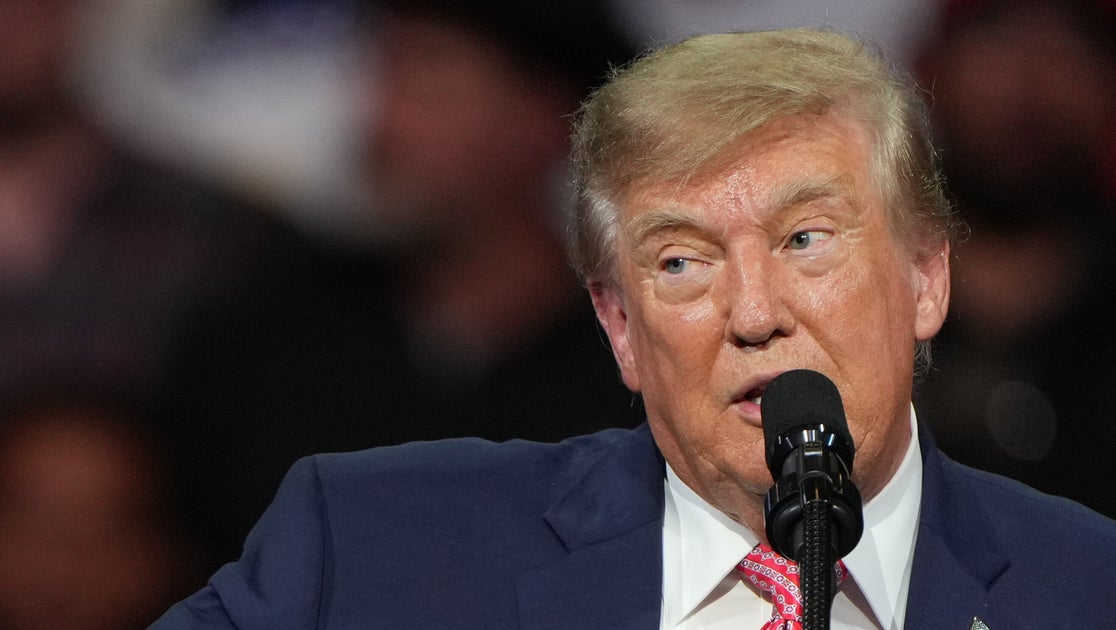
Trump Backs Marshall in Kansas Senate Race Tightened by Farm Costs
President Trump rallied in deep-red Kansas for GOP Sen. Roger Marshall in a competitive race, announcing an $8 billion farm fuel relief program amid high diesel prices. Democrats see an opening to end 94 years of GOP dominance in the state.

Trump Pauses Russia Sanctions Amid Ukraine Tensions and Missile Strikes
Trump waived sanctions on Russia and floated trilateral talks with Putin and Xi as part of ending the Ukraine war, while tensions rose with Zelenskyy over Starlink and arms. Bipartisan senators engaged Zelenskyy amid the shifts.
The Compass
You just read five takes on one story.
What's your take? Find your political shape in a few minutes.
Take the test