
US, Iran Signal Second Round of Talks in Pakistan Despite Naval Blockade

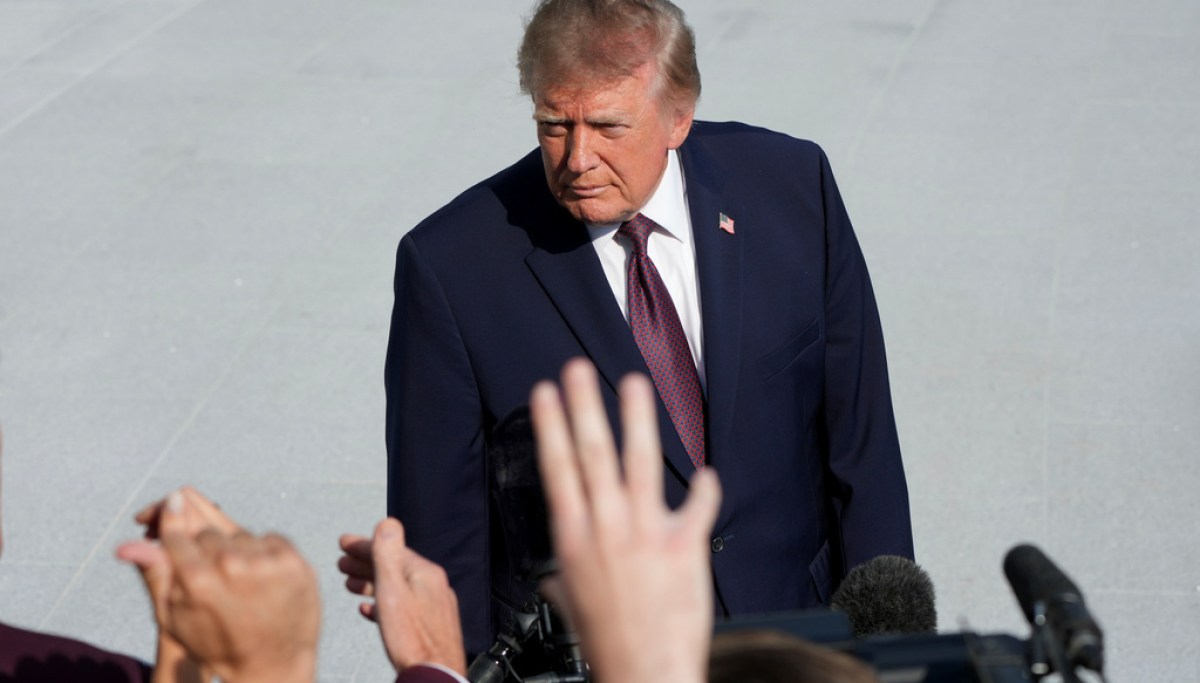
Cover image from nypost.com, which was analyzed for this article
US and Iranian delegations may reconvene in Pakistan for direct talks this week despite the new blockade. Pakistan proposed the session after prior failed discussions. Progress hinges on nuclear demands and sanctions relief.
PoliticalOS
Tuesday, April 14, 2026 — Politics
The single most important reality is that a narrow diplomatic window exists this week in Islamabad to prevent a fragile ceasefire from collapsing under the weight of a new naval blockade and unresolved nuclear disputes. Global energy security, already strained by disruptions to one-fifth of the world's oil transit, hangs in the balance alongside the risk of thousands more deaths across Iran, Lebanon and beyond. Readers should recognize that deep mutual mistrust—rooted in the 2018 U.S. withdrawal from the nuclear deal and recent strikes—makes any breakthrough uncertain, even as both sides continue talking.
What outlets missed
Most accounts underplayed the full timeline of escalation, including Iran's closure of the Strait of Hormuz on March 4 in direct response to the initial U.S.-Israeli strikes of Feb. 28 that targeted nuclear and military sites. Few outlets detailed Iran's parallel demands for sanctions relief and formal guarantees against future attacks, which Iranian officials described as essential to any deal. Saudi pressure on Washington to lift the blockade out of retaliation fears, along with the scale of January 2026 protests inside Iran and their violent suppression, received minimal attention despite altering regional stability calculations. The precise mechanics of the blockade—explicitly sparing neutral transit through the strait while targeting only Iranian port traffic—were often blurred, leaving readers without a clear picture of its calibrated leverage.
Global energy markets shuddered this week as oil prices swung wildly and fears of renewed Middle East conflict rippled through supply chains. With a two-week ceasefire due to expire on April 21, U.S. and Iranian officials are now eyeing a second round of direct negotiations in Islamabad, proposed by Pakistani intermediaries after weekend talks collapsed without agreement. The central tension remains unresolved: can the two sides bridge their demands on Iran's nuclear program and sanctions relief before the U.S. naval blockade in the Strait of Hormuz triggers escalation that neither appears eager to fully test?
The first round of talks, held over the weekend in the Pakistani capital and described by participants as a 21-hour marathon, ended without breakthrough. Vice President JD Vance led the U.S. delegation, facing Iranian Parliamentary Speaker Mohammad Baqer Qalibaf and Foreign Minister Abbas Araghchi. According to multiple officials cited by Reuters and the Associated Press, Pakistan has since floated reconvening delegations as early as this weekend, with both sides keeping Friday through Sunday open. A senior Pakistani official told Reuters that Tehran gave a positive initial response. U.S. officials, speaking anonymously to several outlets, confirmed discussions about timing and venue continue but stressed nothing is finalized.
The impasse centers on Iran's nuclear activities. U.S. negotiators have demanded a suspension of uranium enrichment lasting up to 20 years, the dismantling of key facilities, and the removal of more than 400 kilograms of highly enriched uranium, according to details shared with the New York Times and Fox News. Iranian counterparts countered with a five-year suspension and have sought sanctions relief plus guarantees against future military strikes. Vice President Vance told Fox News that Iran "moved in our direction" but "didn't move far enough," adding that Iranian negotiators needed to consult Tehran for approval on any final terms. Russia has separately offered to accept Iran's enriched uranium stockpile as part of a potential deal, per its state news agency RIA Novosti.
Complicating the diplomacy is the U.S. naval blockade imposed Monday on vessels traveling to or from Iranian ports through the Strait of Hormuz. President Trump described the move as ending "Iranian extortion" after Tehran effectively curtailed traffic in the waterway, through which one-fifth of global oil trade normally passes. Trump posted on Truth Social that any Iranian vessels approaching the blockade "will be immediately ELIMINATED," referencing prior U.S. actions against drug-smuggling boats. Iran's Islamic Revolutionary Guard Corps warned that any U.S. military encroachment would constitute a ceasefire violation. Despite the blockade, shipping data from Reuters, LSEG, MarineTraffic and Kpler showed a U.S.-sanctioned Chinese tanker and at least three Iran-linked vessels transiting the strait Tuesday without heading to Iranian ports.
The economic fallout has been immediate. The International Energy Agency cut its global oil supply and demand forecasts, while the U.N. food and agriculture agency cautioned that supply bottlenecks for fertilizer and fuel could trigger a global food crisis. Benchmark oil prices briefly topped $100 per barrel before easing below that level Tuesday as talk of resumed negotiations offered modest relief. The United Kingdom and other NATO allies have declined to participate in the blockade, according to statements from London and reports from multiple outlets. Saudi Arabia has also quietly pressed Washington to ease the restrictions over fears of Iranian retaliation against Gulf shipping, though this pressure was not detailed in every account.
Separate but linked diplomacy is unfolding on Lebanon. Israeli and Lebanese ambassadors are scheduled to meet in Washington on Tuesday to explore a pause in fighting that has killed more than 2,000 people in Lebanon since March, according to Lebanese authorities. Iran had insisted any broader ceasefire cover its allies in the region, including Hezbollah, but the U.S. and Israel have treated the conflicts separately. Hezbollah's leadership has dismissed the Washington talks as pointless.
Casualty figures from the wider conflict remain fluid. At least 3,000 people have died in Iran, more than 2,000 in Lebanon, 23 in Israel, a dozen in Gulf Arab states, and 13 U.S. service members, according to tallies compiled by The Independent from regional authorities and Western officials. The war began Feb. 28 with U.S. and Israeli strikes on Iranian targets. Iran responded by militarizing the Strait of Hormuz and launching attacks on U.S. bases and Israeli sites. A fragile ceasefire took hold last week after Trump threatened broader action unless the strait reopened.
Both sides continue public posturing. Trump told reporters Iran had called Monday expressing desire for a deal but reiterated that any agreement must prevent Tehran from obtaining a nuclear weapon. Iran's Foreign Minister posted on X that the sides had been "inches away" from agreement before encountering what he called U.S. "maximalism, shifting goalposts, and blockade." White House spokesperson Olivia Wales told TIME that speculation about additional U.S. military strikes was "purely speculating" while confirming all options remain on the table.
Turkey has joined Pakistan in attempting to narrow differences. The ceasefire has largely held despite sharp rhetoric, yet the blockade's first full day already produced tanker reroutes and heightened tensions. Whether the second round of talks materializes—and whether it can resolve the nuclear and sanctions gaps before April 21—will determine if the region slides back into open conflict or finds an off-ramp.
More in Politics

Federal Agents Search Omar Home in Ongoing Immigration Probe
Homeland Security agents searched the Minnesota Democrat's DC residence in a criminal probe, prompting accusations of political intimidation from Omar and Democratic leaders. Coverage spans left-leaning outlets like NPR, BBC, and The Guardian alongside right-leaning criticism from The Federalist and Daily Wire.

Trump Diesel Import Plan Draws Pushback Over Russia Ties
The weekend agreement drew bipartisan congressional pushback and criticism from Ukraine's Zelenskyy, with analysts downplaying US fuel price impacts. Right-leaning outlets like National Review, Dispatch, and Washington Examiner questioned its legality and effectiveness.

Independents Test Voter Appetite for Middle Ground in 2026 Midterms
Nearly 200 independents are running in competitive races as voters weigh ballot measures on housing costs in states like Massachusetts. Left-leaning coverage from NYT, NPR, and Guardian highlights turnout and key races while right outlets focus on GOP strategy.
Trump Rallies in Alaska, Ohio to Bolster GOP Senate Candidates
The president rallied in Wasilla for Sen. Dan Sullivan and faced empty seats at an Ohio event amid midterm concerns. Outlets across the spectrum covered the trips as signals of GOP vulnerability weeks before Election Day.
The Compass
You just read five takes on one story.
What's your take? Find your political shape in a few minutes.
Take the test