
US, Iran Signal Second Round of Talks in Pakistan Despite Naval Blockade

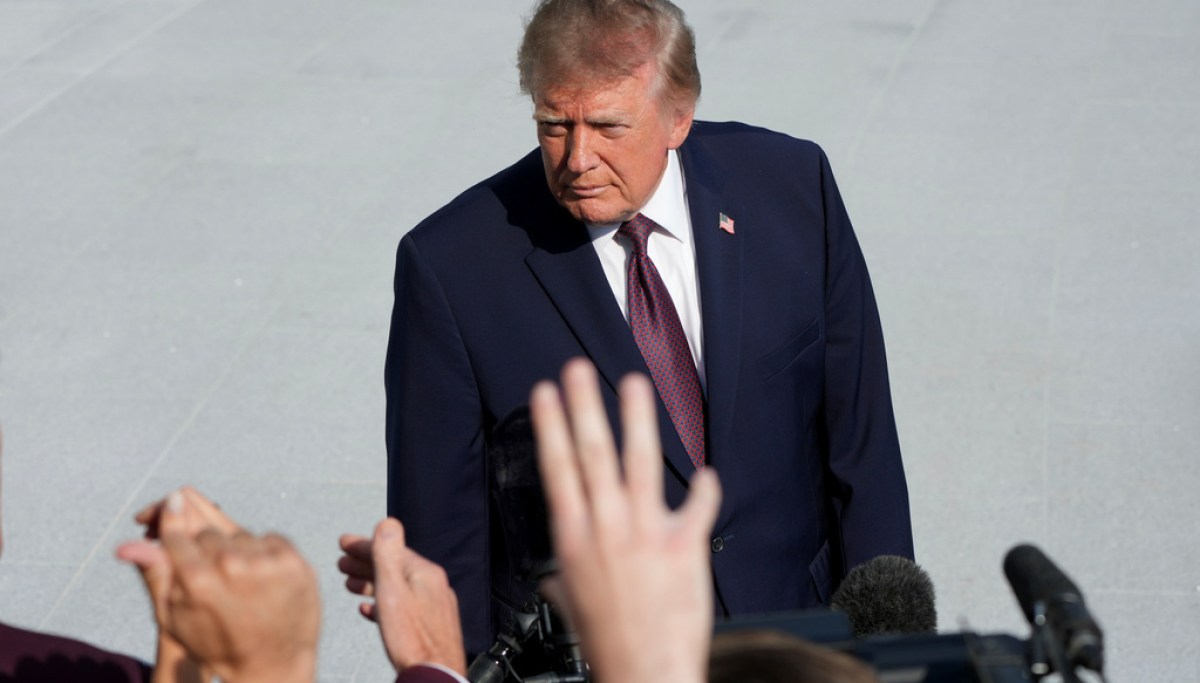
Cover image from nypost.com, which was analyzed for this article
US and Iranian delegations may reconvene in Pakistan for direct talks this week despite the new blockade. Pakistan proposed the session after prior failed discussions. Progress hinges on nuclear demands and sanctions relief.
PoliticalOS
Tuesday, April 14, 2026 — Politics
The single most important reality is that a narrow diplomatic window exists this week in Islamabad to prevent a fragile ceasefire from collapsing under the weight of a new naval blockade and unresolved nuclear disputes. Global energy security, already strained by disruptions to one-fifth of the world's oil transit, hangs in the balance alongside the risk of thousands more deaths across Iran, Lebanon and beyond. Readers should recognize that deep mutual mistrust—rooted in the 2018 U.S. withdrawal from the nuclear deal and recent strikes—makes any breakthrough uncertain, even as both sides continue talking.
What outlets missed
Most accounts underplayed the full timeline of escalation, including Iran's closure of the Strait of Hormuz on March 4 in direct response to the initial U.S.-Israeli strikes of Feb. 28 that targeted nuclear and military sites. Few outlets detailed Iran's parallel demands for sanctions relief and formal guarantees against future attacks, which Iranian officials described as essential to any deal. Saudi pressure on Washington to lift the blockade out of retaliation fears, along with the scale of January 2026 protests inside Iran and their violent suppression, received minimal attention despite altering regional stability calculations. The precise mechanics of the blockade—explicitly sparing neutral transit through the strait while targeting only Iranian port traffic—were often blurred, leaving readers without a clear picture of its calibrated leverage.
US and Iran Signal Possible Return to Talks as American Blockade Tightens Grip on Gulf
Islamabad is once again being positioned as the unlikely venue for high-stakes diplomacy between Washington and Tehran, with officials from both countries indicating that negotiating teams could return as early as this weekend for a second round of direct talks. The move comes just days after the first face-to-face meetings in more than four decades collapsed without agreement, prompting the Trump administration to impose a naval blockade on Iranian ports and the Strait of Hormuz.
Pakistani and Iranian sources told Reuters that Islamabad has received positive signals from Tehran about resuming discussions, with delegations potentially keeping Friday through Sunday open. A source close to the process confirmed a proposal has been sent to both capitals. Two U.S. officials, speaking anonymously, said conversations about timing and format continue, though nothing is locked in. Turkey is also quietly pressing to bridge remaining gaps.
The original weekend session in Pakistan’s capital marked the highest-level contact between the two governments since Iran’s 1979 Islamic Revolution. It followed a ceasefire announced four days after the conflict erupted on February 28 with American and Israeli strikes on Iranian targets. That truce is set to expire April 21. So far it has held, but the margin for error is razor thin.
The war itself has been brutal. At least 3,000 Iranians are dead, along with more than 2,000 in Lebanon, 23 Israelis, a dozen people in Gulf Arab states, and 13 American service members. The fighting has wrecked infrastructure, disrupted global shipping, and sent shockwaves through energy markets. Iran responded to the initial strikes by militarizing the Strait of Hormuz, the chokepoint for roughly one-fifth of the world’s oil. Tehran allowed only limited traffic and demanded fees, an arrangement the White House labeled extortion.
On Monday the Pentagon made the blockade official, declaring that vessels heading to or from Iranian ports would be turned away. The move was designed to increase pressure on Tehran after the weekend talks stalled. President Trump told reporters Iran had reached out that morning expressing interest in a deal. “They’d like to make a deal very badly,” he said, while repeating that Washington will not accept any agreement that leaves Iran with a nuclear weapon.
White House spokeswoman Olivia Wales struck a similar note, saying the Iranians “chose the pursuit of a nuclear weapon over peace” during the marathon sessions. The administration, she added, is keeping “all additional options on the table.”
Tehran, predictably, responded with threats to strike targets across the region. Yet amid the saber-rattling, both sides appear to recognize that prolonged conflict serves neither population. Oil markets reflected that uneasy reality Tuesday, with benchmark prices dipping below $100 a barrel as news of possible renewed talks circulated. The last thing ordinary Americans need is another surge in gas prices caused by politicians playing geopolitical chess halfway around the world.
Pakistan has taken a leading role in shuttling messages between the adversaries, with officials describing the first round as the start of an ongoing process rather than a one-and-done summit. A senior Pakistani figure said his government received encouraging feedback from Iran about attending a follow-up. The venue makes sense on paper: Pakistan has relations with both sides and no obvious stake in seeing the war widen. Whether it can produce results is another matter.
The broader context is impossible to ignore. This is now the seventh week of a conflict that has already claimed thousands of lives and rattled the global economy. Shipping has been curtailed, civilian infrastructure has been pulverized, and families on multiple continents are mourning. Thirteen American troops are gone, their deaths barely registering in most domestic coverage. For all the talk of strategic interests and nuclear thresholds, it is worth asking how this confrontation truly advances the security of the average American family struggling with higher fuel costs and a sense that Washington’s priorities lie elsewhere.
Trump has positioned himself as the deal-maker willing to use maximum leverage, from military strikes to economic blockade, while still leaving the door cracked for negotiations. Whether that approach yields a durable end to hostilities or simply sets the stage for the next escalation remains to be seen. For now, the delegations are eyeing return tickets to Islamabad, and the clock is ticking toward the ceasefire deadline. The region, and the world’s oil-dependent economies, are watching closely to see if cool heads or hardened positions prevail.
You just read America First's take. Want to read what actually happened?
More in Politics

Federal Agents Search Omar Home in Ongoing Immigration Probe
Homeland Security agents searched the Minnesota Democrat's DC residence in a criminal probe, prompting accusations of political intimidation from Omar and Democratic leaders. Coverage spans left-leaning outlets like NPR, BBC, and The Guardian alongside right-leaning criticism from The Federalist and Daily Wire.

Trump Diesel Import Plan Draws Pushback Over Russia Ties
The weekend agreement drew bipartisan congressional pushback and criticism from Ukraine's Zelenskyy, with analysts downplaying US fuel price impacts. Right-leaning outlets like National Review, Dispatch, and Washington Examiner questioned its legality and effectiveness.

Independents Test Voter Appetite for Middle Ground in 2026 Midterms
Nearly 200 independents are running in competitive races as voters weigh ballot measures on housing costs in states like Massachusetts. Left-leaning coverage from NYT, NPR, and Guardian highlights turnout and key races while right outlets focus on GOP strategy.
Trump Rallies in Alaska, Ohio to Bolster GOP Senate Candidates
The president rallied in Wasilla for Sen. Dan Sullivan and faced empty seats at an Ohio event amid midterm concerns. Outlets across the spectrum covered the trips as signals of GOP vulnerability weeks before Election Day.
The Compass
You just read five takes on one story.
What's your take? Find your political shape in a few minutes.
Take the test