
US Strikes Larak Island Launchers to Block New Hormuz Mines

Cover image from aljazeera.com, which was analyzed for this article
US forces struck Iranian launchers on Larak Island to stop sea mine deployment, marking the first US action inside Iran in weeks. Iran retaliated with missiles on US bases and tanker incidents, with Trump commenting on the escalation.
PoliticalOS
Thursday, May 28, 2026 — Politics
The core unresolved issue is whether renewed strikes and the ongoing blockade will restore safe commercial transit through the Strait of Hormuz or trigger further escalation. Readers should track verified interception reports and shipping volume data rather than unconfirmed claims from any side.
What outlets missed
Several outlets omitted Jordan’s confirmed interception of eight Iranian missiles, which demonstrated the geographic reach of the response and the success rate of allied air defenses. Fox News alone cited Axios reporting that U.S. forces removed more than 200 mine-like objects, of which only 11 were actual mines. Most coverage did not address the Navy’s transition away from dedicated mine-countermeasure ships or the specific probability-of-detection model used to declare lanes clear. The $2 million transit fee reportedly demanded by Iran near Larak Island appeared in one account without independent shipping data to corroborate it.
Trump Holds Firm on Iran as Ceasefire Falters and Hormuz Tensions Rise
President Donald Trump convened his Cabinet at the White House on Wednesday after canceling plans for a retreat at Camp David, citing poor weather. The session addressed the fragile state of negotiations with Iran and the administration's approach to reopening the Strait of Hormuz.
Recent exchanges have tested the ceasefire reached after American and Israeli strikes on Iranian nuclear facilities in February. US Central Command reported that American forces intercepted four Iranian one-way attack drones over the strait and destroyed a ground control site near Bandar Abbas before a fifth drone could launch. Iran responded by firing a ballistic missile toward Kuwait, which Kuwaiti defenses intercepted. Iranian officials described their action as retaliation for US strikes near Bandar Abbas airport.
The Treasury Department imposed sanctions on Iran's newly formed Persian Gulf Strait Authority, which Tehran established to manage traffic through the waterway. Officials said the entity represents an attempt by the Islamic Revolutionary Guard Corps to extract revenue from international shipping. Roughly one-fifth of global oil trade passes through the strait, and Iranian restrictions since the war began have disrupted that flow.
During the televised portion of the Cabinet meeting, Trump rejected reported elements of a draft agreement floated in Iranian media. He stated there would be no sanctions relief or unfrozen assets without verified compliance, and he dismissed any Iranian role in controlling passage alongside Oman. Trump said the strait constitutes international waters and warned that attempts to restrict access would face decisive response. He also indicated he was not swayed by the timing of midterm elections.
Public polling has shown declining approval for the president amid the conflict and economic pressures. The White House described recent domestic measures as successes in small business activity. Iran has continued to insist on retaining some enrichment capacity and oversight of the strait, positions US officials view as incompatible with lasting stability.
The pattern of limited strikes and counterstrikes illustrates the difficulty of securing reliable access to a critical trade route while confronting a regime that has repeatedly tested boundaries. Negotiations remain stalled on core demands, with both sides signaling they will not accept terms that leave their core interests exposed.
You just read Conservative's take. Want to read what actually happened?
More in Politics
Trump at 32% Approval as Gas Prices Test GOP Midterm Hopes
NYT/Siena polling showed Trump's approval at historic lows around 32 percent with Democrats leading by double digits in key districts. Early voting has surged in battleground states.

Record Early Voting Hits Battlegrounds, Shifting Partisan Shares
AP analysis found hundreds of thousands more early ballots than in 2022 in states including Texas, Ohio, Kansas, Maine, and North Carolina, shifting partisan dynamics.
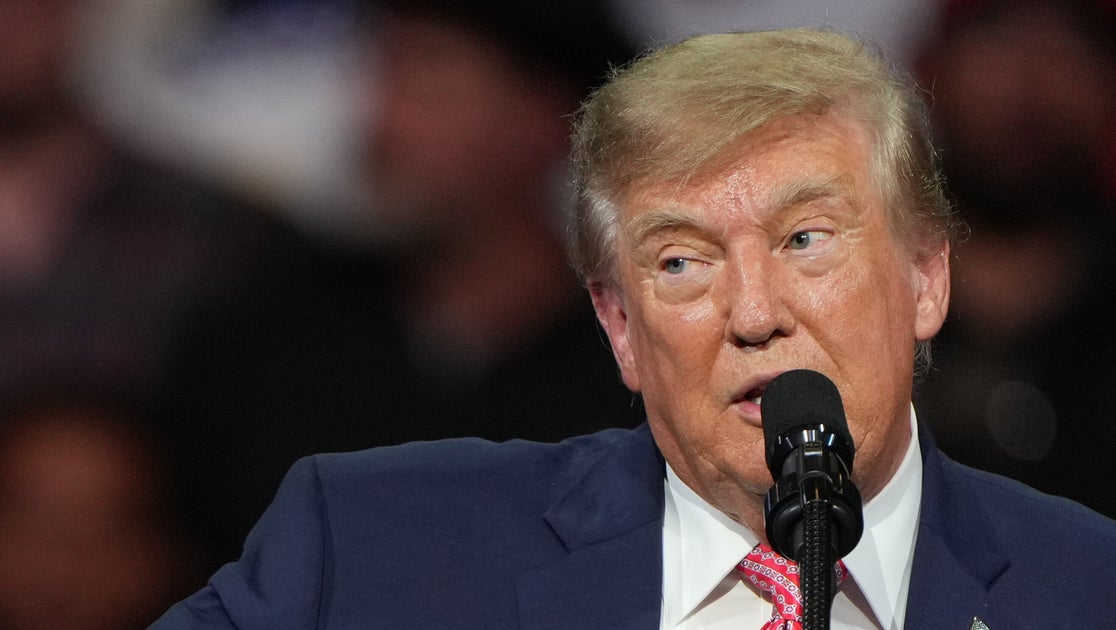
Trump Backs Marshall in Kansas Senate Race Tightened by Farm Costs
President Trump rallied in deep-red Kansas for GOP Sen. Roger Marshall in a competitive race, announcing an $8 billion farm fuel relief program amid high diesel prices. Democrats see an opening to end 94 years of GOP dominance in the state.

Trump Pauses Russia Sanctions Amid Ukraine Tensions and Missile Strikes
Trump waived sanctions on Russia and floated trilateral talks with Putin and Xi as part of ending the Ukraine war, while tensions rose with Zelenskyy over Starlink and arms. Bipartisan senators engaged Zelenskyy amid the shifts.
The Compass
You just read five takes on one story.
What's your take? Find your political shape in a few minutes.
Take the test