
US Strikes Larak Island Launchers to Block New Hormuz Mines

Cover image from aljazeera.com, which was analyzed for this article
US forces struck Iranian launchers on Larak Island to stop sea mine deployment, marking the first US action inside Iran in weeks. Iran retaliated with missiles on US bases and tanker incidents, with Trump commenting on the escalation.
PoliticalOS
Thursday, May 28, 2026 — Politics
The core unresolved issue is whether renewed strikes and the ongoing blockade will restore safe commercial transit through the Strait of Hormuz or trigger further escalation. Readers should track verified interception reports and shipping volume data rather than unconfirmed claims from any side.
What outlets missed
Several outlets omitted Jordan’s confirmed interception of eight Iranian missiles, which demonstrated the geographic reach of the response and the success rate of allied air defenses. Fox News alone cited Axios reporting that U.S. forces removed more than 200 mine-like objects, of which only 11 were actual mines. Most coverage did not address the Navy’s transition away from dedicated mine-countermeasure ships or the specific probability-of-detection model used to declare lanes clear. The $2 million transit fee reportedly demanded by Iran near Larak Island appeared in one account without independent shipping data to corroborate it.
Trump Sticks to His Guns on Iran Deal as Tensions Flare and Midterms Loom
President Donald Trump gathered his Cabinet at the White House on Wednesday after bad weather scuttled plans for a retreat at Camp David. The session focused heavily on the grinding standoff with Iran, where a fragile ceasefire continues to fray amid fresh exchanges of fire and stalled talks over the Strait of Hormuz.
The meeting came as fresh US strikes hit Iranian targets near Bandar Abbas and the strait. American forces downed four Iranian one-way attack drones and destroyed a ground control site, according to US Central Command. Iran responded by claiming it struck an American air base and launched a ballistic missile toward Kuwait that Kuwaiti forces intercepted. The back-and-forth marks the second round of US action in three days, with Washington describing its moves as defensive measures to protect shipping lanes and American personnel.
Trump used the Cabinet session to draw clear lines. He dismissed reports of any draft agreement floated in Iranian media that would ease sanctions or allow Tehran a role managing traffic through the strait. "We’re not talking about any easing of sanctions or giving money," Trump said. "No sanctions, no money, no nothing." He rejected Iranian demands outright and warned that Oman, a US ally involved in regional mediation, would face consequences if it tried to control the waterway alongside Tehran. "Oman will behave just like everybody else, or else we’ll have to blow them up," he stated.
The Treasury Department added Iran’s newly formed Persian Gulf Strait Authority to the sanctions list, calling it an attempt by the Islamic Revolutionary Guard Corps to extract tolls from global shipping. Iran has maintained restrictions on the strait since the conflict began in February, cutting off a route that carries roughly one-fifth of the world’s oil trade. The administration has made reopening the passage without Iranian oversight a core demand.
Public polls show Trump’s approval rating at a second-term low, with voters expressing frustration over both the economy and the prolonged Iran conflict. White House officials pointed to recent small business gains during the meeting, but the broader picture includes rising costs tied to energy market disruptions. Trump brushed aside concerns about electoral fallout, saying he does not care about the midterms and will not accept anything short of a strong agreement.
The three-month mark of the war has produced a familiar pattern of limited strikes, intercepted missiles, and diplomatic maneuvering without decisive progress. Iran’s foreign ministry vowed to defend its sovereignty, while US officials stressed that actions remain measured to avoid broader escalation. For now, the focus stays on preventing Tehran from turning the strait into a permanent choke point or retaining leverage through its nuclear infrastructure.
Trump has repeatedly said any deal must include verifiable limits on enrichment and full Iranian compliance before any assets are unfrozen. Negotiations continue, but both sides appear dug in, with Washington prioritizing American energy security and freedom of navigation over quick political wins.
You just read America First's take. Want to read what actually happened?
More in Politics

Trump Defends Ramaswamy Ad Using Estranged Mother in Ohio Race
President Trump defended a GOP nominee's ad featuring a Democratic opponent's estranged mother, calling it powerful, while drawing criticism from some Republicans including Ohio Gov. Mike DeWine. The ad has sparked internal GOP tensions ahead of midterms.
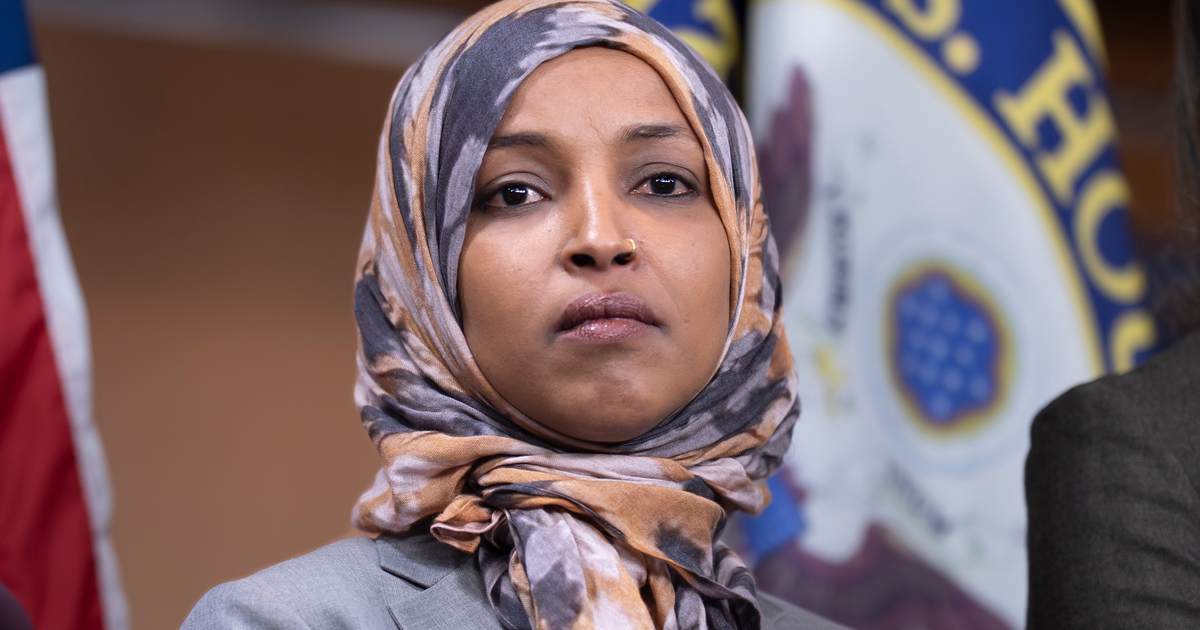
Federal Raid Targets Omar Amid Unresolved Name and Marriage Allegations
Agents searched Rep. Ilhan Omar's DC residence over immigration fraud allegations; she called it bizarre. Reports and commentary questioned her birth name and past marriage details.

Supreme Court Upholds New Hampshire Student ID Voting Ban
The Supreme Court upheld New Hampshire's ban on student IDs as valid voter identification just before midterms, affecting a tight Senate race.
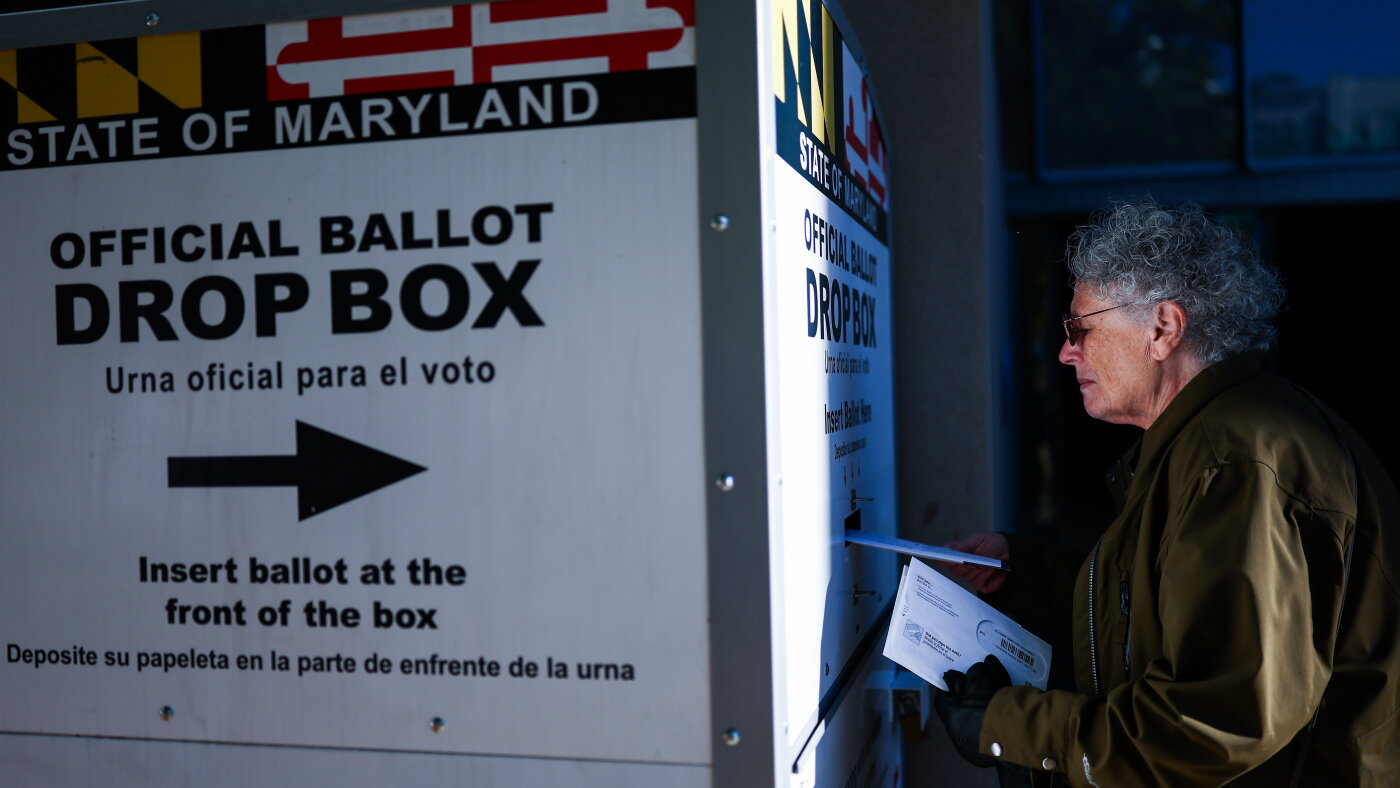
Early Voting Hits 21 Million as Most Trust Midterm Accuracy
Millions have already voted early as parties make final appeals amid $1.4 billion in ad spending; polls show confidence in election accuracy.
The Compass
You just read five takes on one story.
What's your take? Find your political shape in a few minutes.
Take the test