
US Strikes Larak Island Launchers to Block New Hormuz Mines

Cover image from aljazeera.com, which was analyzed for this article
US forces struck Iranian launchers on Larak Island to stop sea mine deployment, marking the first US action inside Iran in weeks. Iran retaliated with missiles on US bases and tanker incidents, with Trump commenting on the escalation.
PoliticalOS
Thursday, May 28, 2026 — Politics
The core unresolved issue is whether renewed strikes and the ongoing blockade will restore safe commercial transit through the Strait of Hormuz or trigger further escalation. Readers should track verified interception reports and shipping volume data rather than unconfirmed claims from any side.
What outlets missed
Several outlets omitted Jordan’s confirmed interception of eight Iranian missiles, which demonstrated the geographic reach of the response and the success rate of allied air defenses. Fox News alone cited Axios reporting that U.S. forces removed more than 200 mine-like objects, of which only 11 were actual mines. Most coverage did not address the Navy’s transition away from dedicated mine-countermeasure ships or the specific probability-of-detection model used to declare lanes clear. The $2 million transit fee reportedly demanded by Iran near Larak Island appeared in one account without independent shipping data to corroborate it.
Trump Holds White House Cabinet Meeting as US-Iran Ceasefire Faces Fresh Strikes and Threats
President Donald Trump convened his Cabinet at the White House on Wednesday after canceling plans for a retreat at Camp David, citing forecasts of bad weather. The session unfolded against a backdrop of renewed US strikes on Iranian targets and Iranian retaliation that tested a fragile ceasefire in the three-month-old war.
The White House had announced the Camp David gathering earlier in the day, marking what would have been only the second visit by Trump to the Maryland retreat during his current term. He reversed course in an evening social media post, directing the meeting to the White House instead. Officials said the agenda would cover foreign policy developments and domestic economic matters, including recent small-business initiatives.
Hours before the session, US forces conducted strikes near Bandar Abbas in southern Iran, downing four Iranian one-way attack drones over the Strait of Hormuz and destroying a ground-control site to prevent a fifth launch. The Pentagon described the action as defensive, aimed at protecting US forces and limited commercial traffic through the vital waterway. Iran reported no casualties or damage from the strikes.
Iran’s Islamic Revolutionary Guard Corps responded early Thursday by targeting what it called a US air base used in the attacks. Kuwaiti forces intercepted a ballistic missile launched toward their territory around the same time, with no reported damage. US Central Command labeled the Iranian missile launch an egregious ceasefire violation and said all drones had been successfully countered.
The exchange came as the Trump administration imposed new sanctions on Iran’s Persian Gulf Strait Authority, the entity Tehran created to oversee traffic through the strait. Treasury Secretary Scott Bessent called the body an attempt by Iran’s military to extort global maritime trade. Iran has maintained that it will retain control over the route, through which roughly one-fifth of the world’s energy supplies once flowed before the conflict began.
During the televised portion of the Cabinet meeting, Trump rejected reports of an emerging agreement that would involve sanctions relief or joint Iranian-Omani management of the strait. He insisted no assets would be unfrozen until Iran complies with US terms and dismissed any notion that midterm election pressures would force concessions. “I don’t care about the midterms,” he said, adding that Oman, a longtime US ally that has mediated in the conflict, would “behave just like everybody else, or we’ll have to blow them up.”
The comments drew quick attention from diplomats tracking the talks. Iran’s foreign ministry condemned what it called threatening US rhetoric and pledged to defend national sovereignty. Negotiations to end the war have dragged on without resolution, with both sides accusing the other of undermining the ceasefire.
Recent public polling has shown Trump’s approval ratings reaching a low point in his second term, driven in part by voter concerns over the Iran conflict and economic conditions. The president’s team has pointed to what it describes as administration successes on the economy while acknowledging the need to shore up support ahead of the fall elections.
The latest round of strikes marks the second US operation inside Iran in three days. Earlier attacks targeted Iranian boats and missile sites after intelligence indicated potential threats to shipping. Iranian state media have accused Washington of violating the ceasefire and international maritime rules.
Regional governments have urged restraint. The United Arab Emirates issued a statement condemning the missile incident near Kuwait. Kuwait’s military confirmed its air defenses responded to hostile threats without specifying targets.
As the war enters its fourth month, the combination of battlefield exchanges, sanctions, and blunt presidential warnings has left the path to a durable settlement uncertain. Both capitals continue to trade accusations while diplomats search for an off-ramp that satisfies core demands on nuclear issues, sanctions, and control of the Strait of Hormuz.
You just read Progressive's take. Want to read what actually happened?
More in Politics
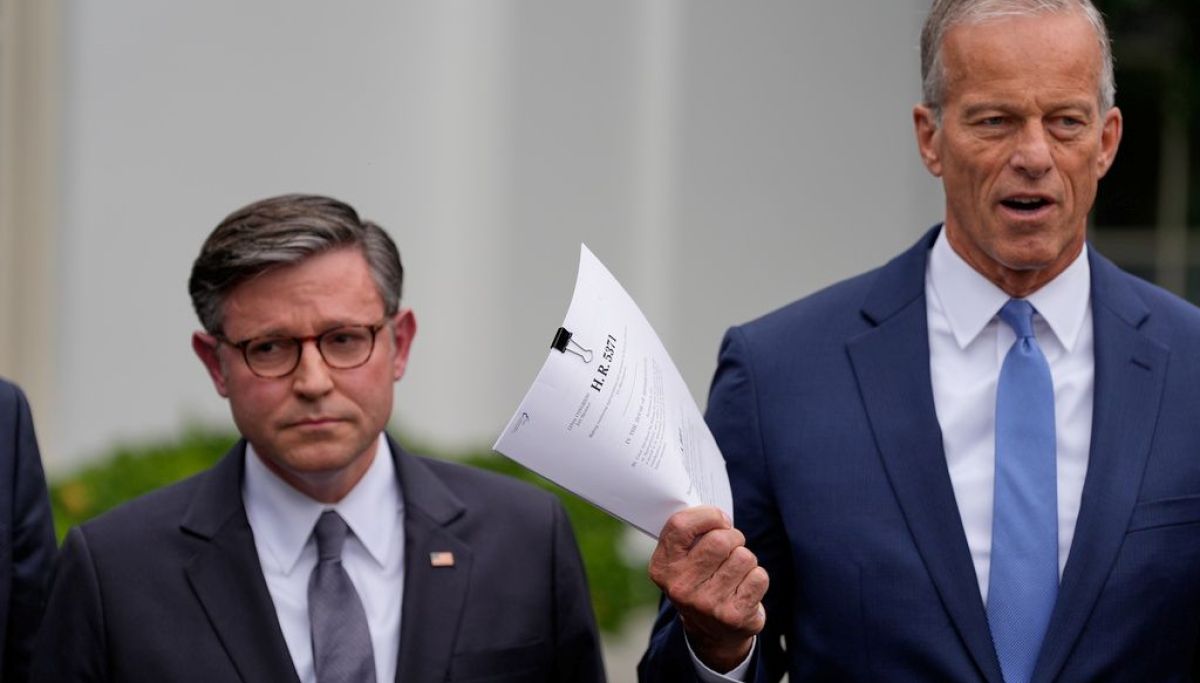
Trump at 32% Approval as Gas Prices Test GOP Midterm Hopes
NYT/Siena polling showed Trump's approval at historic lows around 32 percent with Democrats leading by double digits in key districts. Early voting has surged in battleground states.

Record Early Voting Hits Battlegrounds, Shifting Partisan Shares
AP analysis found hundreds of thousands more early ballots than in 2022 in states including Texas, Ohio, Kansas, Maine, and North Carolina, shifting partisan dynamics.
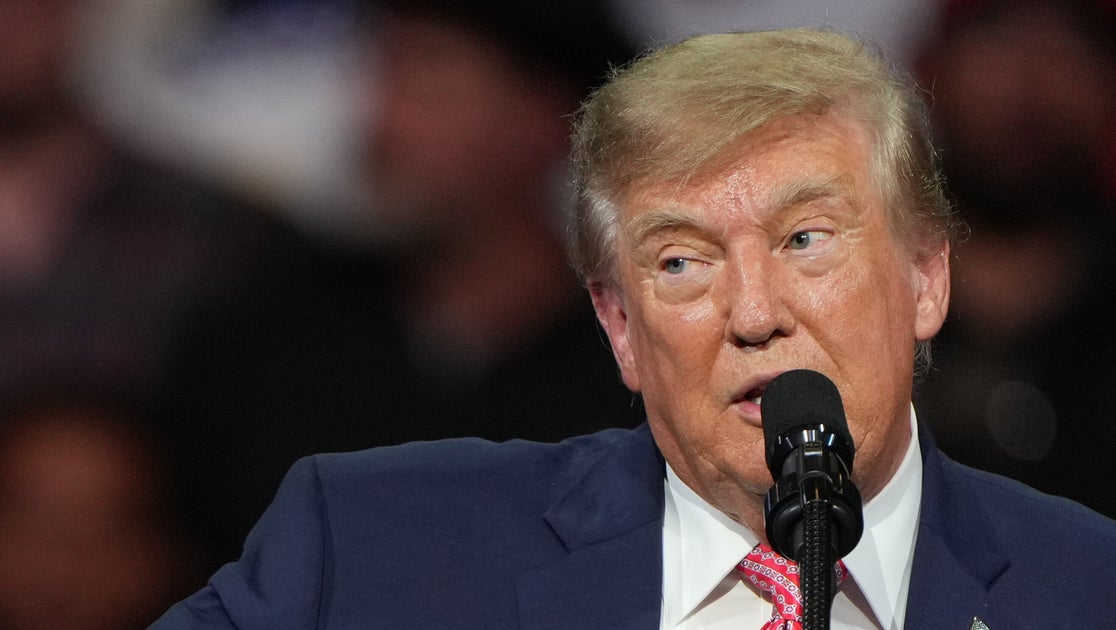
Trump Backs Marshall in Kansas Senate Race Tightened by Farm Costs
President Trump rallied in deep-red Kansas for GOP Sen. Roger Marshall in a competitive race, announcing an $8 billion farm fuel relief program amid high diesel prices. Democrats see an opening to end 94 years of GOP dominance in the state.

Trump Pauses Russia Sanctions Amid Ukraine Tensions and Missile Strikes
Trump waived sanctions on Russia and floated trilateral talks with Putin and Xi as part of ending the Ukraine war, while tensions rose with Zelenskyy over Starlink and arms. Bipartisan senators engaged Zelenskyy amid the shifts.
The Compass
You just read five takes on one story.
What's your take? Find your political shape in a few minutes.
Take the test