
US Strikes Kill 5 on Suspected Narco Boats, Toll Hits 168
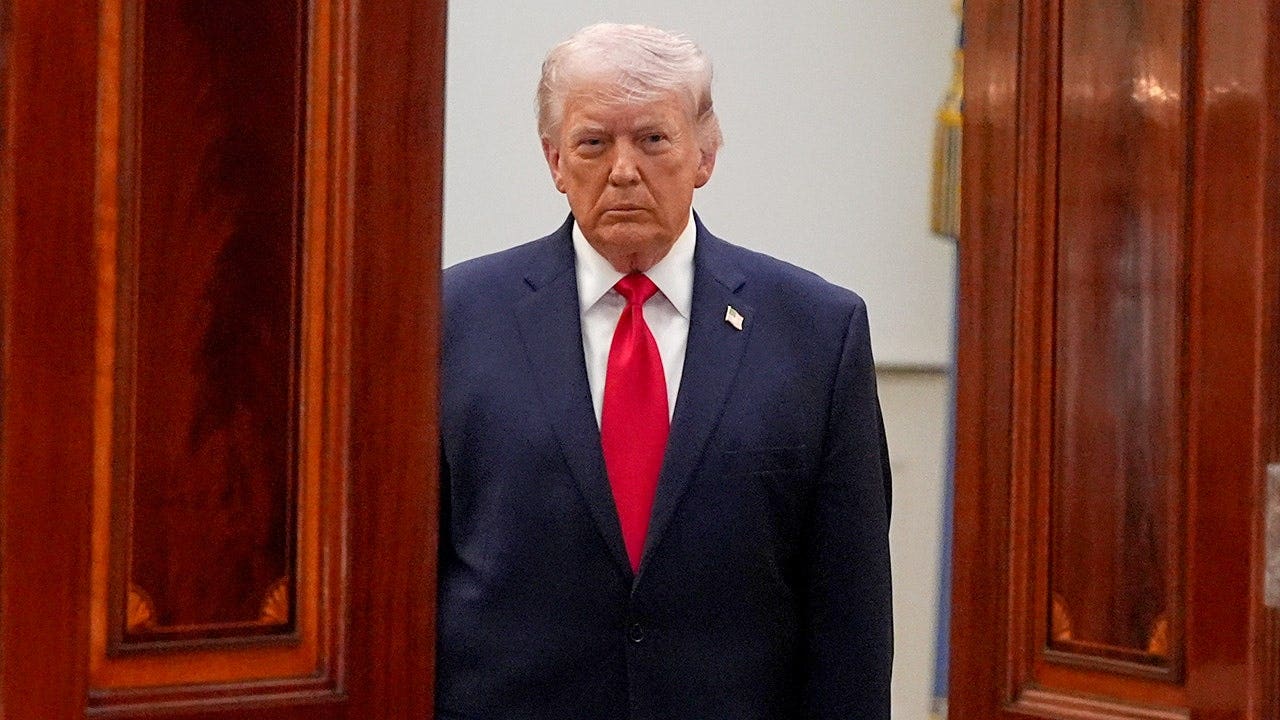
Cover image from foxnews.com, which was analyzed for this article
US forces killed five people in strikes on boats suspected of drug trafficking by narco-terrorists in the eastern Pacific, with one survivor. The operation is part of an ongoing campaign against smuggling networks. Officials confirmed the action amid rising regional tensions.
PoliticalOS
Monday, April 13, 2026 — Politics
The United States is conducting repeated lethal strikes on vessels in international waters based on intelligence that the boats belong to designated narco-terrorist networks. These operations have killed at least 168 people in seven months with no U.S. losses, yet independent confirmation of drug cargoes is rarely offered and the campaign’s legality and efficacy against the opioid crisis remain contested. Readers should weigh the stated security objective against the human toll and the persistent questions about evidence and international law.
What outlets missed
Most accounts underplayed the existence of a formal multinational framework, including coordination with Latin American partners under Operation Southern Spear and related coalitions. Outlets also gave limited attention to the specific presidential executive order designating certain networks and the zero U.S. casualty record across dozens of actions. The pattern of survivor recoveries, contrasted against the single heavily criticized September follow-on strike, received uneven treatment; fuller timelines show at least six rescues or attempted rescues. Finally, the distinction between State Department Foreign Terrorist Organization lists and internal U.S. military designations for these targets was rarely clarified, leaving readers without context on the exact legal architecture.
US Forces Strike Two Alleged Narco Terrorist Boats in Pacific Killing Five as Cartel Campaign Intensifies
The United States military destroyed two vessels operated by what it calls Designated Terrorist Organizations in the eastern Pacific Ocean this weekend, killing five men and leaving a single survivor whose condition remains unknown. The strikes, carried out on April 11, mark the latest escalation in President Donald Trump's direct confrontation with the cartels that have flooded American communities with deadly fentanyl and other narcotics for years.
U.S. Southern Command announced the operation on social media, releasing black-and-white aerial footage that shows two small boats moving across open water before erupting in massive fireballs. The command described the action as "applying total systemic friction on the cartels." Officials said intelligence confirmed the vessels were traveling along established narco-trafficking routes and actively engaged in smuggling operations. No evidence of actual drugs aboard the boats was made public, consistent with previous announcements.
"Two male narco-terrorists were killed, and one narco-terrorist survived the first strike. Three male narco-terrorists were killed during the second strike," Southern Command stated. The survivor prompted immediate coordination with the U.S. Coast Guard for search and rescue. The Coast Guard confirmed it had activated protocols and would provide updates as they become available.
These strikes bring the official death toll from the campaign to at least 168 since it began in early September. The number of vessels targeted now stands at 49. The operations have been concentrated in the Caribbean and eastern Pacific, areas long used by traffickers to move cocaine and other drugs northward. Saturday's action was the first reported by Southern Command since late March.
President Trump has repeatedly framed the fight in stark terms, declaring that the United States is in "armed conflict" with the cartels he labels narcoterrorists. The administration argues these groups bear direct responsibility for the wave of fatal overdoses that have devastated American families, particularly through fentanyl that kills tens of thousands of citizens each year. By striking at the boats and routes used by these organizations, the Pentagon under Secretary of Defense Pete Hegseth aims to disrupt the supply chain before it reaches U.S. shores.
The campaign reflects a significant shift in approach. For decades, previous administrations treated the cartels largely as a law enforcement problem, with mixed results at best. Under Trump, the military has taken a far more aggressive posture, designating certain groups as terrorist organizations and authorizing lethal kinetic strikes. Joint Task Force Southern Spear carried out the latest hits at the direction of Southern Command commander Gen. Francis L. Donovan.
Critics, including some legal scholars and drug policy analysts, have raised questions about the strikes. They point out that much of the fentanyl entering the United States is produced in Mexico using precursor chemicals from China and India, then smuggled across the southern land border rather than by sea. They also question the overall legality of conducting what amounts to military operations against non-state actors in international waters without broader congressional approval. The administration has dismissed these concerns, arguing that the cartels function as terrorist networks waging war on the American people through chemical weapons.
Videos released by Southern Command show the strikes with clinical precision. Small vessels are visible one moment, then consumed by explosions the next. The imagery underscores the overwhelming technological advantage American forces hold in these engagements. Yet the human cost is mounting. At least six survivors have been reported across the campaign, triggering rescue efforts that sometimes succeed in pulling people from the water.
The survivor from this weekend's strikes is the latest addition to that list. Whether that individual was truly involved in trafficking or simply caught in the wrong place at the wrong time is impossible to know from the limited information released. Southern Command has provided few details beyond the basic facts, citing operational security.
This latest action comes as the Trump administration continues to prioritize the drug crisis that has claimed more American lives than many conventional wars. Cartels have grown into sophisticated criminal empires that corrupt governments throughout Latin America and treat the United States as their primary market. By taking the fight to them on the water, the military is attempting to impose real costs on organizations that have operated with impunity for far too long.
Whether these sea strikes will meaningfully reduce the flow of fentanyl remains to be seen. The land border remains the primary entry point for the deadliest drugs, a fact even supporters of the strikes acknowledge. Still, the administration shows no sign of letting up. With the death toll now at 168 and climbing, the message from Washington is clear: the era of treating cartel boats as routine law enforcement matters is over. These are enemy vessels operating against the United States, and they are being dealt with accordingly.
You just read America First's take. Want to read what actually happened?
More in Politics

Federal Agents Search Omar Home in Ongoing Immigration Probe
Homeland Security agents searched the Minnesota Democrat's DC residence in a criminal probe, prompting accusations of political intimidation from Omar and Democratic leaders. Coverage spans left-leaning outlets like NPR, BBC, and The Guardian alongside right-leaning criticism from The Federalist and Daily Wire.

Trump Diesel Import Plan Draws Pushback Over Russia Ties
The weekend agreement drew bipartisan congressional pushback and criticism from Ukraine's Zelenskyy, with analysts downplaying US fuel price impacts. Right-leaning outlets like National Review, Dispatch, and Washington Examiner questioned its legality and effectiveness.

Independents Test Voter Appetite for Middle Ground in 2026 Midterms
Nearly 200 independents are running in competitive races as voters weigh ballot measures on housing costs in states like Massachusetts. Left-leaning coverage from NYT, NPR, and Guardian highlights turnout and key races while right outlets focus on GOP strategy.
Trump Rallies in Alaska, Ohio to Bolster GOP Senate Candidates
The president rallied in Wasilla for Sen. Dan Sullivan and faced empty seats at an Ohio event amid midterm concerns. Outlets across the spectrum covered the trips as signals of GOP vulnerability weeks before Election Day.
The Compass
You just read five takes on one story.
What's your take? Find your political shape in a few minutes.
Take the test