
US Strike Kills Two on Suspected Drug Vessel in Eastern Pacific
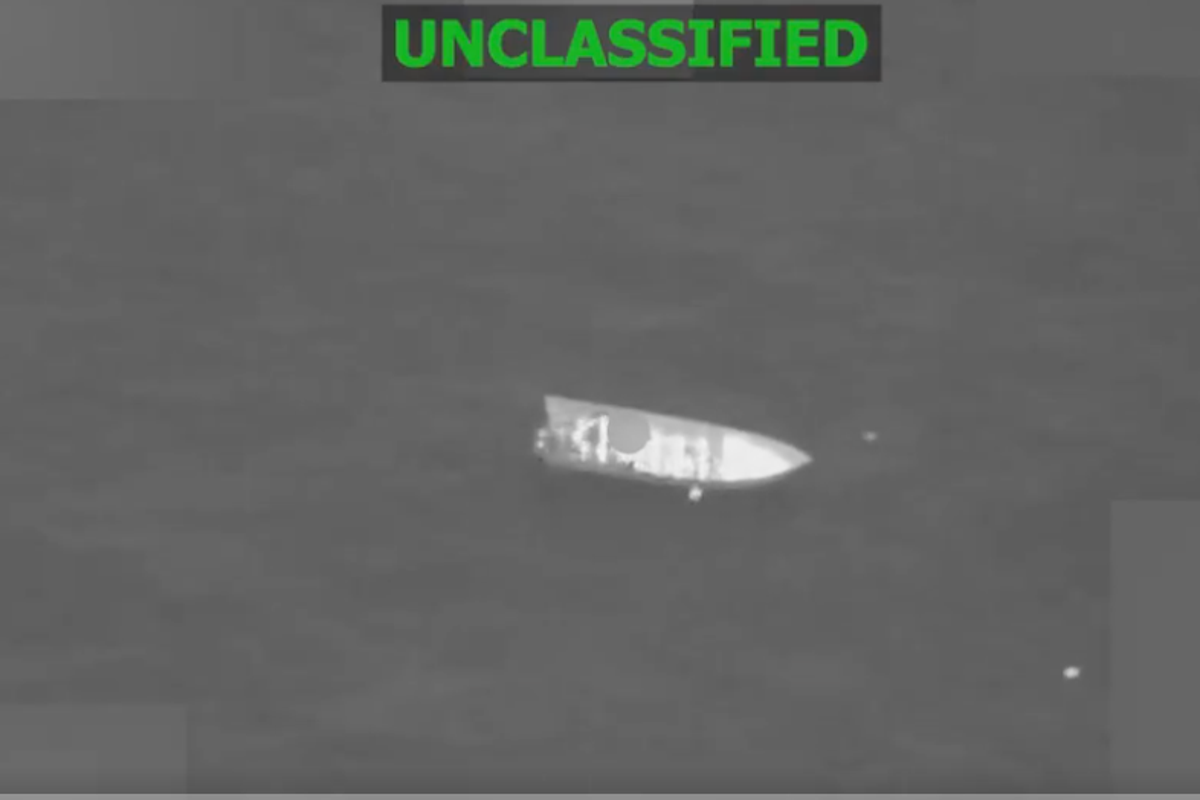
Cover image from independent.co.uk, which was analyzed for this article
US military targeted another alleged drug-trafficking vessel in the Pacific Ocean, resulting in two deaths. This continues operations against narco networks. The action underscores ongoing counter-drug efforts.
PoliticalOS
Tuesday, April 14, 2026 — Politics
The United States has now killed at least 170 people in nearly seven months of strikes on vessels suspected of drug trafficking under Operation Southern Spear, relying on intelligence about narco-routes and links to designated terrorist organizations. No outlet has reported physical drugs recovered from these specific vessels, and legal experts continue to question whether lethal force against suspected criminals at sea meets international standards. Readers should weigh the military's stated goal of disrupting networks that feed the U.S. overdose crisis against the absence of transparent evidence and the mounting death toll.
What outlets missed
All three outlets underplayed or omitted the formal designation of targeted vessels as operated by Designated Terrorist Organizations, a detail repeatedly included in primary Southern Command releases that reframes the actions as counter-terrorism as much as counter-narcotics. Coverage also varied widely on the precise name and scope of Operation Southern Spear, with some skipping its September 2025 launch tied to executive decisions designating cartels as foreign terrorist organizations. Legal debates received one-sided treatment: skeptical outlets highlighted extrajudicial concerns without noting any countervailing government legal justifications, while the pro-military account ignored documented human rights hearings entirely. Finally, discrepancies in exact strike counts (46 versus 49) and the absence of recovered narcotics across multiple actions went unaddressed, leaving readers without a clear picture of evidentiary standards applied in real time.
Two more men died in the latest U.S. military strike on a vessel suspected of drug trafficking. The action pushed the death toll from a campaign now spanning seven months to at least 170. At its core sits one unresolved tension: the military cites intelligence linking these boats to narco networks that fuel American overdoses, yet it has released no physical evidence of drugs recovered from the destroyed vessels.
U.S. Southern Command announced the April 13 strike hours after it occurred. A video posted to social media showed a small boat floating stationary in the eastern Pacific before a large explosion engulfed it. The military said the vessel was operated by Designated Terrorist Organizations, traveled known narco-trafficking routes, and was actively engaged in such operations. No U.S. forces were harmed. It marked the third strike announced in April; seven suspected traffickers have been killed in the past three days alone.
The broader effort, known as Operation Southern Spear, began in early September 2025. Southern Command has described it as a proactive campaign to detect, disrupt and degrade transnational criminal maritime networks across the Western Hemisphere. Strike counts reported by outlets vary slightly, from 46 to 49. Fatality figures have remained consistent at or above 170.
The Trump administration has framed the operations as necessary escalation against cartels it links to fatal drug flows into the United States. President Trump has referenced the boat strikes in statements tying them to other national security actions, though exact phrasing on "armed conflict" with cartels was not corroborated across all reports. Military releases emphasize rigorous intelligence gathering.
Critics push back on different grounds. Legal specialists have called the strikes illegal extrajudicial killings, arguing the military cannot deliberately target civilians who do not pose an imminent threat of violence, even if suspected of criminal activity. Human rights groups have raised concerns in international forums, including hearings before the Inter-American Commission on Human Rights. The administration has not publicly detailed courtroom-level evidence for each target.
Previous strikes followed similar patterns. One recent action destroyed two boats, killed five, and left one survivor whose status remained unclear in initial reports. U.S. Coast Guard units have at times searched for survivors. No outlet reported drugs seized from the latest vessel. That detail, like several others, could not be independently verified beyond military statements citing intelligence.
The campaign continues even as U.S. attention has shifted at times toward other global crises. Southern Command, led by Gen. Francis L. Donovan, oversees the operations from headquarters near Miami. Its announcements have grown more frequent in recent weeks, reflecting what officials describe as sustained pressure on smuggling networks originating from Latin America.
More in Politics

Federal Agents Search Omar Home in Ongoing Immigration Probe
Homeland Security agents searched the Minnesota Democrat's DC residence in a criminal probe, prompting accusations of political intimidation from Omar and Democratic leaders. Coverage spans left-leaning outlets like NPR, BBC, and The Guardian alongside right-leaning criticism from The Federalist and Daily Wire.

Trump Diesel Import Plan Draws Pushback Over Russia Ties
The weekend agreement drew bipartisan congressional pushback and criticism from Ukraine's Zelenskyy, with analysts downplaying US fuel price impacts. Right-leaning outlets like National Review, Dispatch, and Washington Examiner questioned its legality and effectiveness.

Independents Test Voter Appetite for Middle Ground in 2026 Midterms
Nearly 200 independents are running in competitive races as voters weigh ballot measures on housing costs in states like Massachusetts. Left-leaning coverage from NYT, NPR, and Guardian highlights turnout and key races while right outlets focus on GOP strategy.
Trump Rallies in Alaska, Ohio to Bolster GOP Senate Candidates
The president rallied in Wasilla for Sen. Dan Sullivan and faced empty seats at an Ohio event amid midterm concerns. Outlets across the spectrum covered the trips as signals of GOP vulnerability weeks before Election Day.
The Compass
You just read five takes on one story.
What's your take? Find your political shape in a few minutes.
Take the test