
Trump Oil Pact With Venezuela Spurs Chevron Expansion
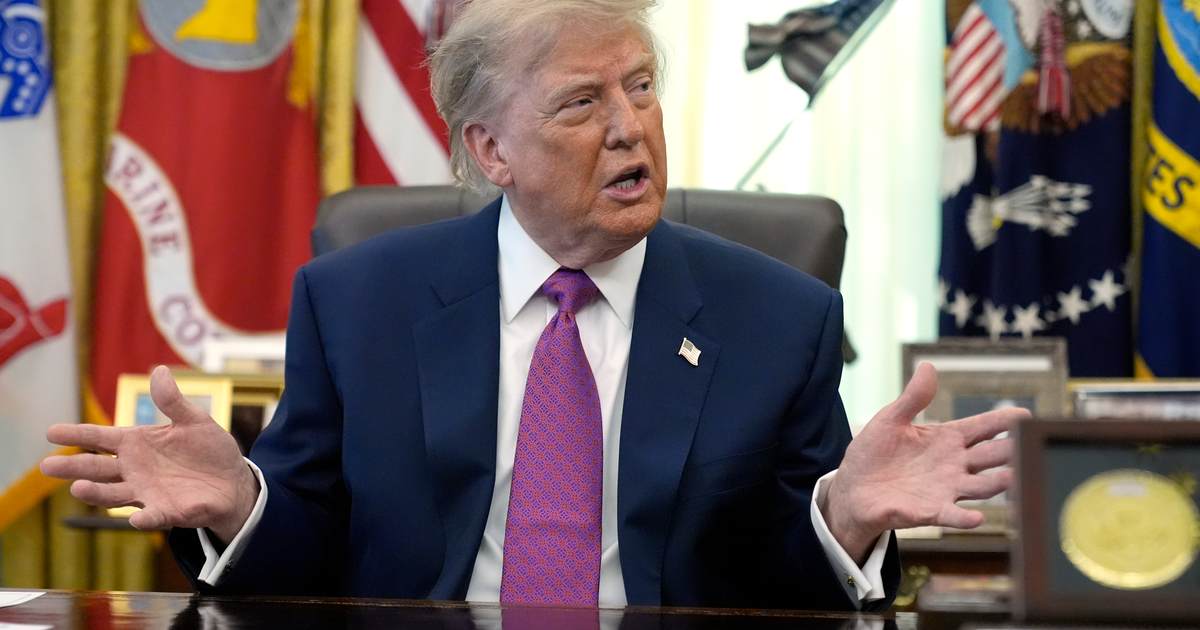
Cover image from townhall.com, which was analyzed for this article
The Trump administration advanced a pact expanding Chevron operations in Venezuela to boost global supply and counter Chinese influence. The deal drew criticism from both progressives and some conservatives over human rights and energy policy.
PoliticalOS
Wednesday, September 2, 2026 — Business
Chevron’s expansion rests on verifiable company targets and new Venezuelan contract terms, while the larger administration partnership with North American Blue Energy Partners carries production and legal claims that remain unconfirmed by multiple sources. The January removal of Maduro is treated as settled history across outlets yet lacks any operational detail in the coverage examined.
What outlets missed
No outlet supplied dates, units, or official statements describing the January capture of Maduro, leaving readers without context for the event repeatedly cited as background. The summary premise that the deal drew criticism from progressives and some conservatives on human rights and energy policy received no coverage in any of the four pieces. Details on existing U.S. sanctions that previously restricted financing and technology transfers to Venezuela’s oil sector were also absent, even though those rules directly shaped prior investment decisions.
Venezuela’s oil fields now sit at the center of a U.S. effort to secure new supply while limiting Chinese access. The stakes involve both immediate production gains and the longer-term question of whether any arrangement can survive changes in Caracas or Washington.
Chevron announced on September 2 that it will invest more than $7 billion over five years, add acreage in the Orinoco Belt, and raise its Venezuelan output from roughly 280,000 barrels a day to 600,000 barrels a day. The company, the only major U.S. producer that remained after the 2000s nationalizations, attributed the move to improved contract terms and new fields. A signing event was scheduled the same day in Caracas with acting President Delcy Rodríguez and U.S. Energy Secretary Chris Wright.
A separate administration initiative, announced days earlier, involves North American Blue Energy Partners, controlled by Venezuelan businessman Alejandro Betancourt López. Under that framework the U.S. government would receive an option for a 35 percent stake in the parent company, preferential offtake rights, and influence over governance. The two projects are distinct; Chevron’s expansion does not include the equity or control provisions tied to the Betancourt-linked venture.
The backdrop includes the January capture of Nicolás Maduro by U.S. forces and subsequent Venezuelan legislation that restored greater operational control to foreign companies. Townhall reported that the administration deal covers 65 billion barrels across 17 fields with a target above 1.5 million barrels a day under a 25-year term; no other outlet supplied those figures or the announcement text that would confirm them. Newsmax and The New York Times both noted analyst doubts about whether acting President Rodríguez can grant 100-year rights and whether future governments would honor the terms.
The Dispatch highlighted the legal uncertainty surrounding U.S. licensing for these operations. None of the accounts examined the military operation that removed Maduro or recorded reactions from human-rights groups or members of Congress.
More in Business & Economy

AI Companies Weigh Early IPOs as Risks Mount
Nasdaq fell sharply amid concerns over AI spending sustainability and data center costs; Nvidia, Meta, and others were hit as Meta and Tesla reported earnings.

Stocks Rise on Earnings as Home Sales Hit Low
Major indices closed mixed to higher, led by healthcare and defensive stocks, as companies like Eli Lilly and UnitedHealth reported strong results. Pending home sales hit record lows.

US Stocks Mixed as Tech Rebounds on AI Optimism
The Dow slipped slightly while the S&P 500 and Nasdaq rose, led by Nvidia, AMD, and Intel gains on renewed AI sector confidence after prior drops. Broader market volatility tied to earnings and data center demand.

Trump Unveils $8 Billion Diesel Relief for Farmers
The Agriculture Department launched the program to offset record diesel prices for farmers, framed as economic aid and a midterm pitch in Kansas amid ongoing inflation and energy cost pressures.
The Compass
You just read five takes on one story.
What's your take? Find your political shape in a few minutes.
Take the test