
Trump Oil Pact With Venezuela Spurs Chevron Expansion
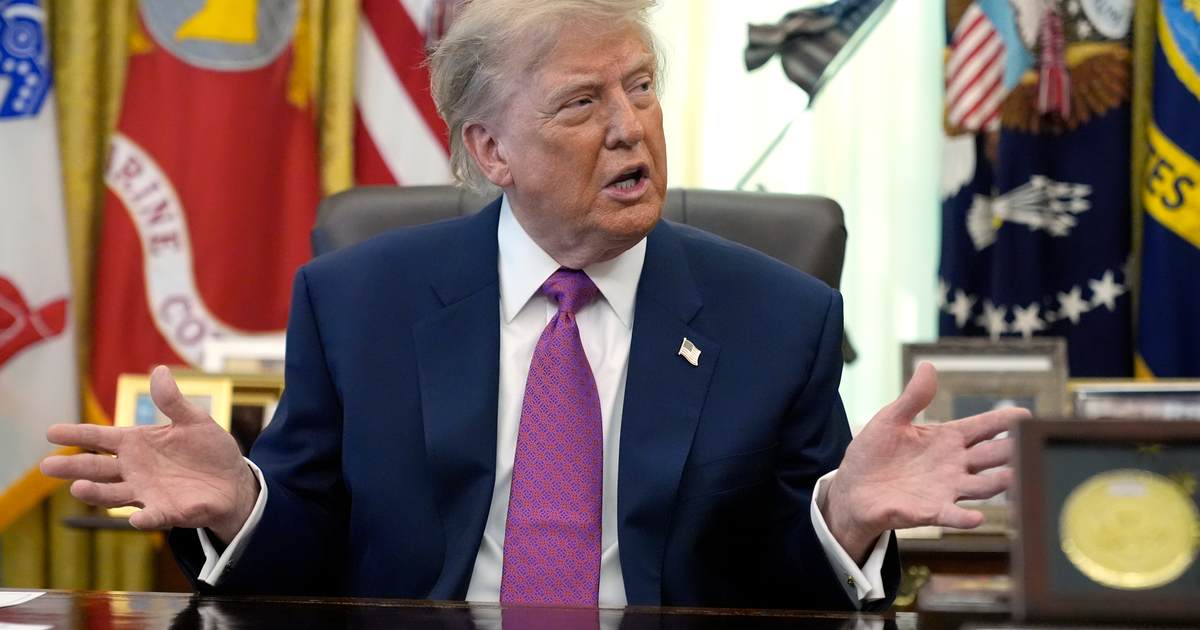
Cover image from townhall.com, which was analyzed for this article
The Trump administration advanced a pact expanding Chevron operations in Venezuela to boost global supply and counter Chinese influence. The deal drew criticism from both progressives and some conservatives over human rights and energy policy.
PoliticalOS
Wednesday, September 2, 2026 — Business
Chevron’s expansion rests on verifiable company targets and new Venezuelan contract terms, while the larger administration partnership with North American Blue Energy Partners carries production and legal claims that remain unconfirmed by multiple sources. The January removal of Maduro is treated as settled history across outlets yet lacks any operational detail in the coverage examined.
What outlets missed
No outlet supplied dates, units, or official statements describing the January capture of Maduro, leaving readers without context for the event repeatedly cited as background. The summary premise that the deal drew criticism from progressives and some conservatives on human rights and energy policy received no coverage in any of the four pieces. Details on existing U.S. sanctions that previously restricted financing and technology transfers to Venezuela’s oil sector were also absent, even though those rules directly shaped prior investment decisions.
Trump Administration Secures Major Stake in Venezuelan Oil Fields
The Trump administration has moved forward with a sweeping oil agreement in Venezuela that hands the United States majority control over more than 65 billion barrels of proven reserves. The deal centers on a joint venture spanning 17 strategic fields and sets an initial production target above 1.5 million barrels per day under a 25-year framework.
Industry observers note that the arrangement creates what amounts to the second-largest private holder of proven reserves globally, trailing only Saudi Aramco. Officials described the pact as a direct counter to years of Chinese and Canadian influence in the sector after the previous regime nationalized assets and drove out Western operators.
Chevron, the only major American oil company with a longstanding presence in Venezuela, confirmed its own expansion plans shortly after the broader announcement. The Houston-based firm will invest more than 7 billion dollars over five years to more than double its output to roughly 600,000 barrels a day. New acreage in the Orinoco Belt will support the increase through existing joint ventures including Petroindependencia and Petropiar. Chevron chief executive Mike Wirth pointed to improved terms and the company's century-long history in the country as reasons for renewed commitment.
The moves follow the capture of Nicolás Maduro in January and come amid efforts to stabilize the country's energy infrastructure after decades of state mismanagement. Pumps, pipelines, storage facilities, and the electrical grid remain in poor condition, requiring substantial capital and time to restore. Administration sources stressed that realistic timelines apply and that near-term effects on U.S. fuel prices are unlikely given the scale of needed repairs.
Critics on the Venezuelan left have long portrayed any cooperation with American firms as a betrayal of national resources. Those same voices accused opposition figures of taking orders from Washington before the 2024 election. The new framework instead positions U.S. interests at the center of development, sidelining prior arrangements that favored state-owned Chinese entities and Canadian operators.
Legal questions linger around the precise authority for direct U.S. government participation in foreign extraction. The Pentagon is slated to receive a share of profits from the venture, an unusual structure that departs from standard licensing models. Supporters argue the terms reflect the extraordinary circumstances created by prior confiscations of American property and technology.
Energy Secretary Chris Wright and Chevron representatives were scheduled to visit Caracas this week to formalize the investment. Production ramp-up will depend on rebuilding basic infrastructure that collapsed under socialist policies. Early targets focus on fields already partially developed by Chevron, which has operated in the country since 1923.
The agreement underscores a shift toward prioritizing American energy security and limiting rival powers' access to one of the world's largest oil endowments. While full output remains years away, the framework supplies the contractual certainty companies said they needed to return.
You just read America First's take. Want to read what actually happened?
More in Business & Economy

Business Activity Holds Up as Selling Prices Rise Fastest Since 2022
S&P Global PMI shows robust activity but selling prices rise at fastest pace since 2022 amid energy and supply chain costs. Halloween candy prices jump 7.7%.

Stock Futures Climb on Anthropic IPO Filing and AI Financing
Major indices rose on enthusiasm from Anthropic's IPO filing and broader AI infrastructure announcements including Meta's massive fundraising plans. Investors are betting heavily on continued AI growth despite valuation concerns.

Tariffs and AI Transition Fuel Growth and Job Worries
Trump's tariff rhetoric and AI-driven restructuring raised concerns about growth, inflation, and job impacts as markets reacted to geopolitical and tech shifts.

AI Companies Weigh Early IPOs as Risks Mount
Nasdaq fell sharply amid concerns over AI spending sustainability and data center costs; Nvidia, Meta, and others were hit as Meta and Tesla reported earnings.
The Compass
You just read five takes on one story.
What's your take? Find your political shape in a few minutes.
Take the test