
Trump Oil Pact With Venezuela Spurs Chevron Expansion
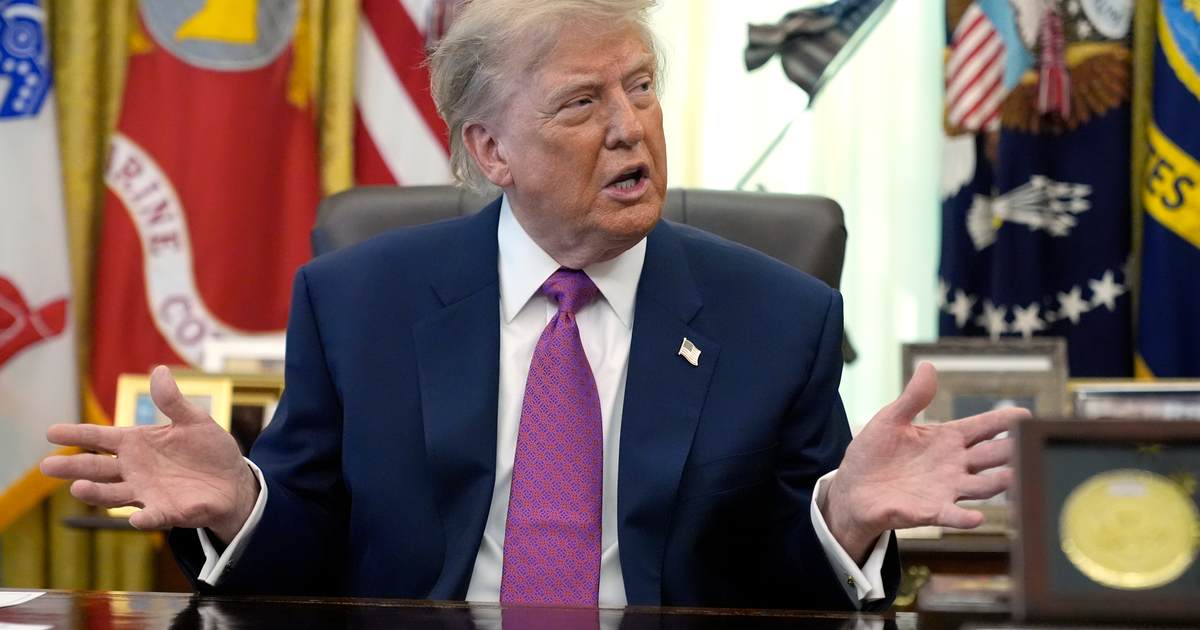
Cover image from townhall.com, which was analyzed for this article
The Trump administration advanced a pact expanding Chevron operations in Venezuela to boost global supply and counter Chinese influence. The deal drew criticism from both progressives and some conservatives over human rights and energy policy.
PoliticalOS
Wednesday, September 2, 2026 — Business
Chevron’s expansion rests on verifiable company targets and new Venezuelan contract terms, while the larger administration partnership with North American Blue Energy Partners carries production and legal claims that remain unconfirmed by multiple sources. The January removal of Maduro is treated as settled history across outlets yet lacks any operational detail in the coverage examined.
What outlets missed
No outlet supplied dates, units, or official statements describing the January capture of Maduro, leaving readers without context for the event repeatedly cited as background. The summary premise that the deal drew criticism from progressives and some conservatives on human rights and energy policy received no coverage in any of the four pieces. Details on existing U.S. sanctions that previously restricted financing and technology transfers to Venezuela’s oil sector were also absent, even though those rules directly shaped prior investment decisions.
Trump Administration Advances Oil Control in Venezuela With Dubious Deal
The Trump administration has moved to secure a direct stake in Venezuela's vast oil reserves through a joint venture that grants the United States majority control over more than 65 billion barrels of proven resources. The arrangement centers on 17 strategic fields and sets an initial production target above 1.5 million barrels per day under a 25-year framework. Officials described the pact as creating the second-largest private holder of proven reserves globally after Saudi Aramco.
Separate from that government-level agreement, Chevron confirmed it will expand its own operations in the Orinoco Belt. The company plans to invest more than 7 billion dollars over five years and more than double its output to roughly 600,000 barrels a day. Chevron, the only major U.S. oil firm with a sustained presence in Venezuela since 1923, operates joint ventures including Petroindependencia and Petropiar. Its chief executive, Mike Wirth, said the additional acreage and improved terms strengthen a portfolio expected to deliver long-term value.
The dual developments follow the capture of Venezuelan leader Nicolás Maduro by U.S. forces in January. They mark a sharp escalation of American involvement in a country whose oil industry has suffered decades of mismanagement, expropriations, and decay. Pumps, pipelines, storage facilities, and the electrical grid all require extensive repair and modernization before significant new production can come online. Industry analysts note that such rebuilding will take years and billions more in capital.
Critics have long questioned the legal basis for U.S. participation in Venezuela's energy sector. The leftist government in Caracas previously accused opposition figures of planning to hand resources to American interests, a charge now echoed by observers who see the new arrangement as resting on shaky foundations. The Dispatch reported that the U.S. role may deliver less than advertised once infrastructure realities and regulatory hurdles are factored in.
Chevron's expansion proceeds under existing licenses while the broader Trump-backed venture appears designed to give the Pentagon a share of future profits. Energy Secretary Chris Wright was expected to join Chevron executives in Venezuela for formal announcements. The company has framed its moves as confidence in the country's resource potential despite the political upheaval.
Venezuela's oil output currently hovers near 1 million barrels a day, so Chevron's target alone would represent more than half of national production. Restoring broader capacity will depend on attracting further investment and stabilizing governance after years of sanctions, expropriations, and political turmoil. The Trump administration has portrayed the deals as advancing U.S. energy security and reducing influence from rivals such as China and Canada.
Questions remain about how revenues will be distributed and whether Venezuelan citizens will see tangible benefits. Past foreign involvement in the sector produced mixed results, with local communities often bearing environmental costs while profits flowed elsewhere. The current framework's emphasis on U.S. government participation adds another layer of complexity to an already fraught relationship between Washington and Caracas.
You just read Progressive's take. Want to read what actually happened?
More in Business & Economy

Business Activity Holds Up as Selling Prices Rise Fastest Since 2022
S&P Global PMI shows robust activity but selling prices rise at fastest pace since 2022 amid energy and supply chain costs. Halloween candy prices jump 7.7%.

Stock Futures Climb on Anthropic IPO Filing and AI Financing
Major indices rose on enthusiasm from Anthropic's IPO filing and broader AI infrastructure announcements including Meta's massive fundraising plans. Investors are betting heavily on continued AI growth despite valuation concerns.

Tariffs and AI Transition Fuel Growth and Job Worries
Trump's tariff rhetoric and AI-driven restructuring raised concerns about growth, inflation, and job impacts as markets reacted to geopolitical and tech shifts.

AI Companies Weigh Early IPOs as Risks Mount
Nasdaq fell sharply amid concerns over AI spending sustainability and data center costs; Nvidia, Meta, and others were hit as Meta and Tesla reported earnings.
The Compass
You just read five takes on one story.
What's your take? Find your political shape in a few minutes.
Take the test