
Virginia Redistricting Vote Tests Response to National Map Wars Ahead of 2026 Midterms
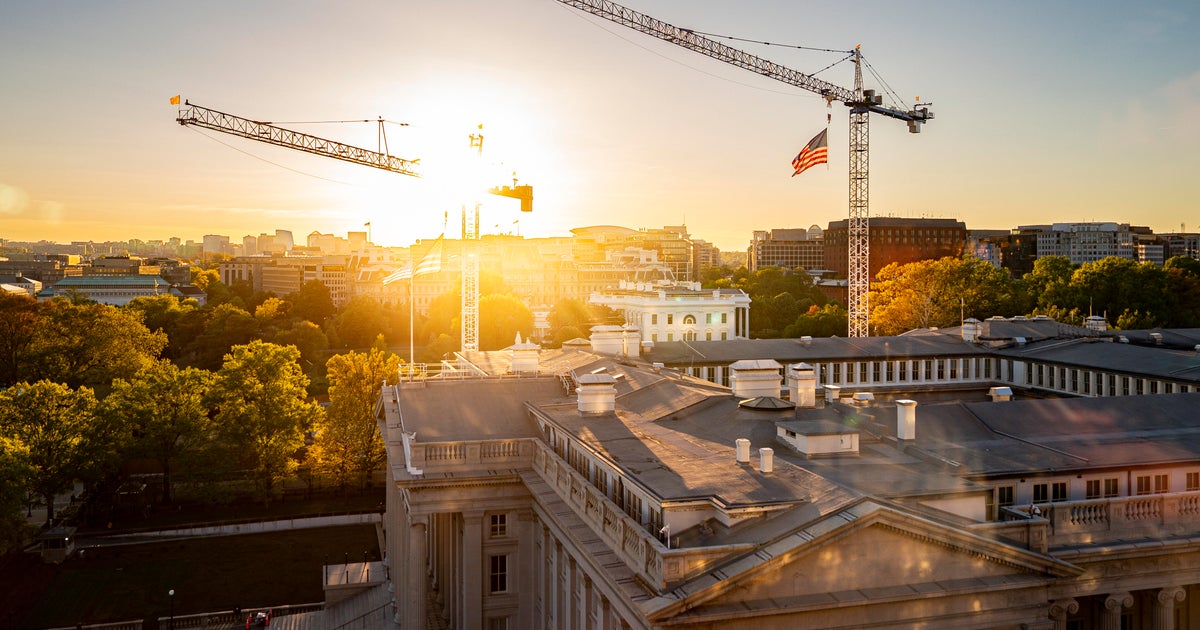
Cover image from cbsnews.com, which was analyzed for this article
Virginians head to polls to decide whether to redraw congressional districts, with implications for 2026 midterms amid battles in states like VA, TX, and others. Key races include challenges to incumbents like Abigail Spanberger, as Republicans aim to close gaps and maintain control. Court investigations and state leader actions add to the high stakes.
PoliticalOS
Saturday, April 18, 2026 — Politics
Tuesday's referendum will test whether Virginia prioritizes countering other states' partisan map changes or upholds its own recent commitment to independent redistricting. The outcome could net Democrats several House seats in 2026, but only if courts uphold the new maps. Spanberger's declining approval and the heavy spending by both sides reflect how national polarization now reaches even procedural votes in a purple state.
What outlets missed
Most outlets underplayed the February 2026 Virginia Supreme Court ruling that cleared the referendum for the ballot after an initial lower-court block, a key legal validation that shaped its path. Nonpartisan seat-shift estimates from sources like the Cook Political Report and Ballotpedia, projecting potential net national changes in the range of 3-5 seats depending on final maps and litigation, received little attention beyond vague references to "up to four" Democratic gains. Historical mid-decade precedents, such as the 2003 Texas redraw that netted Republicans six seats after Democratic walkouts, were omitted entirely, depriving readers of context on whether the current cycle truly breaks new ground. Coverage also largely ignored the precise mechanics of Virginia's 2020 bipartisan commission law and how the temporary override complies with or tests its voter-approved provisions. Finally, detailed early-voting data by district from VPAP, showing turnout patterns that both parties claimed as positive signs, was mentioned only in passing if at all.
Control of the U.S. House for the 2026 midterms could shift by as many as four seats depending on what Virginia voters decide Tuesday. A constitutional amendment on the ballot would temporarily let the Democratic-controlled legislature draw new congressional maps, bypassing a bipartisan commission voters approved in 2020. The move comes after Republican-led states, starting with Texas, redrew their own lines last year in an effort to bolster GOP strength. Democrats frame the referendum as a necessary counter to those changes. Republicans call it an opportunistic power grab that contradicts Virginia's recent reforms.
The measure, approved by the General Assembly and signed by Gov. Abigail Spanberger, would replace the independent commission with legislative maps for the remainder of the decade before returning redistricting authority after the 2030 census. One proposal discussed internally by Democrats would create a 10-1 map favoring their party over the current 6-5 split, according to a Democratic operative cited by the Christian Science Monitor. Spanberger, who won the governorship by 15 points in November on a platform emphasizing moderation and affordability, has signed the enabling legislation and cut a television ad supporting the referendum. She has limited her public campaigning to a virtual rally and two weekend events, telling reporters her focus remains on governing. Her spokesperson, Libby Wiet, said the governor's priority is ensuring any new map can be implemented smoothly given Virginia's data systems and tight timeline. Wiet added that Spanberger's support for the temporary change reflects a response to actions by other states and does not alter her backing for bipartisan processes in normal cycles.
Polls show a close contest. A Washington Post/George Mason University survey this month found 52 percent support for the referendum and 47 percent opposition among likely voters, within the margin of error. A separate State Navigate poll showed a five-point lead for "yes." Early voting has been higher than expected for an off-year single-issue election, with strong turnout reported in both Democratic and Republican districts. Democrats have outspent Republicans significantly. Virginians for Fair Elections, the main pro-referendum group, has spent roughly three times what the opposing Virginians for Fair Maps has invested as of mid-April, according to ad trackers cited by multiple outlets. Total Democratic-aligned spending reached about $49 million compared with $17 million on the Republican side, much of it from undisclosed dark money sources.
The race has drawn national figures. Democrats have featured House Minority Leader Hakeem Jeffries, former Attorney General Eric Holder, Sens. Mark Warner and Tim Kaine, California Gov. Gavin Newsom, Sen. Elizabeth Warren and former President Barack Obama, who appeared in ads and a video urging approval. Republicans have brought in House Speaker Mike Johnson, former Gov. Glenn Youngkin and members of Virginia's GOP congressional delegation for rallies. President Trump has criticized Spanberger on social media but has not directly campaigned on the referendum. Virginia Republican Party Chairman Jeff Ryer described the contest as primarily a state issue.
Spanberger's approval rating has fallen to 47 percent, according to the Washington Post poll, the lowest for a Virginia governor this early in a term in recent memory. Republicans, including former Attorney General Jason Miyares, who co-chairs Virginians for Fair Maps, accuse her of abandoning moderate campaign promises. They point to her support for the redistricting measure and actions on legislation from the Democratic legislature, including amendments to bills on cannabis legalization, collective bargaining and immigration enforcement. Democratic lawmakers have also criticized some of those amendments. Senate President Pro Tempore Louise Lucas, a key force behind the 10-1 map push, has questioned Spanberger's consistency on social media. A Christian Science Monitor analysis noted the difficulty of maintaining a moderate image when one party controls both the governorship and legislature amid polarized national politics.
The Virginia referendum forms one piece of a broader mid-decade redistricting wave. In Texas, House Speaker Dustin Burrows threatened to pursue absent Democrats during a walkout over the GOP-led redraw. In Indiana, Senate President Pro Tempore Rodric Bray blocked a special session after constituent opposition. Maryland Senate President Bill Ferguson has resisted his own party's push to target the state's lone Republican seat, citing court risks. In Utah, District Judge Dianna Gibson rejected legislative maps for violating voter-approved anti-gerrymandering rules, selecting an alternative that creates one Democratic-leaning district. Missouri Attorney General Catherine Hanaway has defended that state's Republican map in court. These accounts, compiled by NPR, illustrate how state-level officials beyond governors often decide outcomes. Claims that Trump directly pressured specific states to begin the process could not be independently verified in public statements or contemporaneous reporting from multiple outlets.
Virginia voters approved the independent commission in 2020 with strong bipartisan support. The current referendum would suspend it only temporarily. Nonpartisan trackers such as Ballotpedia and the National Conference of State Legislatures list Virginia's effort alongside completed redraws in California and Texas, with litigation pending in several states. Seat projections vary. Some analyses suggest Democrats could net three to four seats nationally from the combined changes, though Cook Political Report and similar forecasters note final maps remain subject to court review. Historical precedents exist for mid-decade redistricting by both parties, including Texas in 2003. Descriptions of the current cycle as entirely unprecedented therefore lack full context.
Details reported by only one outlet remain unverified. These include precise internal Democratic map negotiations favoring a 9-2 or 8-3 split before settling on 10-1, specific verbatim social media posts attributed to Lucas or Trump, and exact ad-spending ratios shifting from 17-to-1 to 3-to-1 on particular dates. Project costs for unrelated White House construction cited in one CBS News report have no connection to Virginia's vote. Coverage of a Republican candidate Philip Harding running in the 7th District, formerly represented by Spanberger, could not be corroborated by official candidate lists from VPAP or Ballotpedia as of mid-April. Separate reporting on Virginia joining the National Popular Vote Interstate Compact reflects a distinct policy debate over presidential elections and does not directly affect the congressional redistricting referendum.
The central unresolved question is whether Virginia voters will view the measure as a defensive necessity or as partisan retaliation that erodes trust in map-drawing institutions. Approval would likely accelerate legal challenges testing compliance with state constitutional provisions and the Voting Rights Act. Rejection would preserve the independent commission and maintain the current 6-5 delegation balance heading into 2026. Either result will influence how other states approach similar battles before the next census.
More in Politics
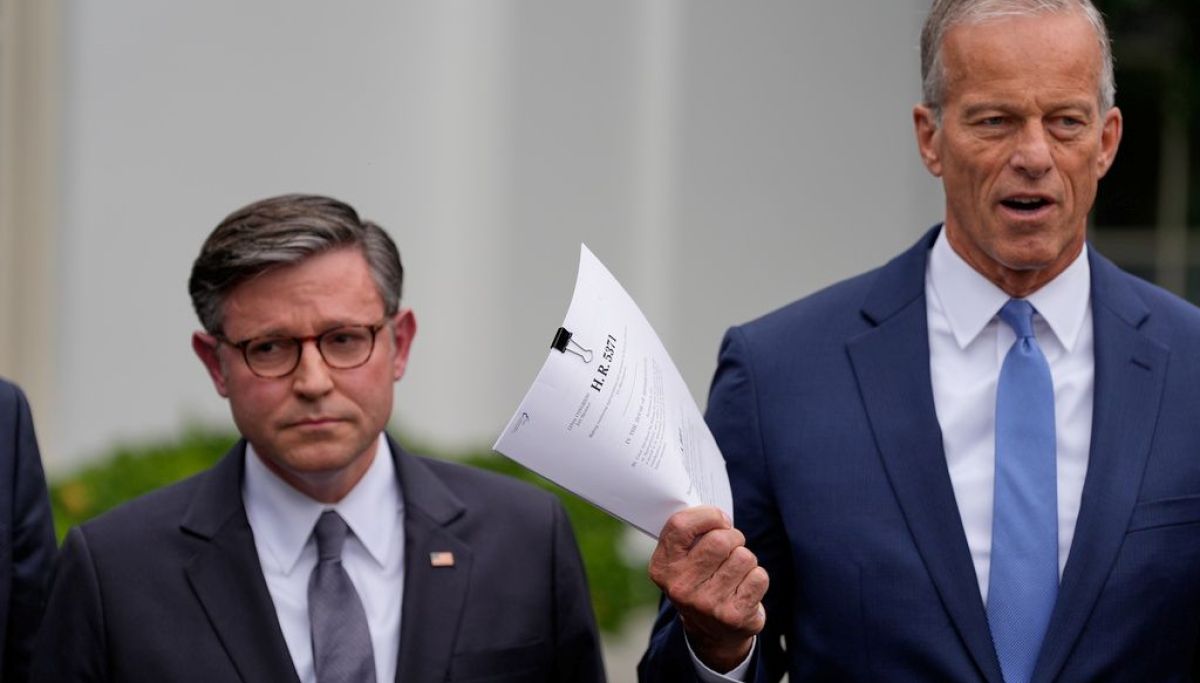
Trump at 32% Approval as Gas Prices Test GOP Midterm Hopes
NYT/Siena polling showed Trump's approval at historic lows around 32 percent with Democrats leading by double digits in key districts. Early voting has surged in battleground states.

Record Early Voting Hits Battlegrounds, Shifting Partisan Shares
AP analysis found hundreds of thousands more early ballots than in 2022 in states including Texas, Ohio, Kansas, Maine, and North Carolina, shifting partisan dynamics.
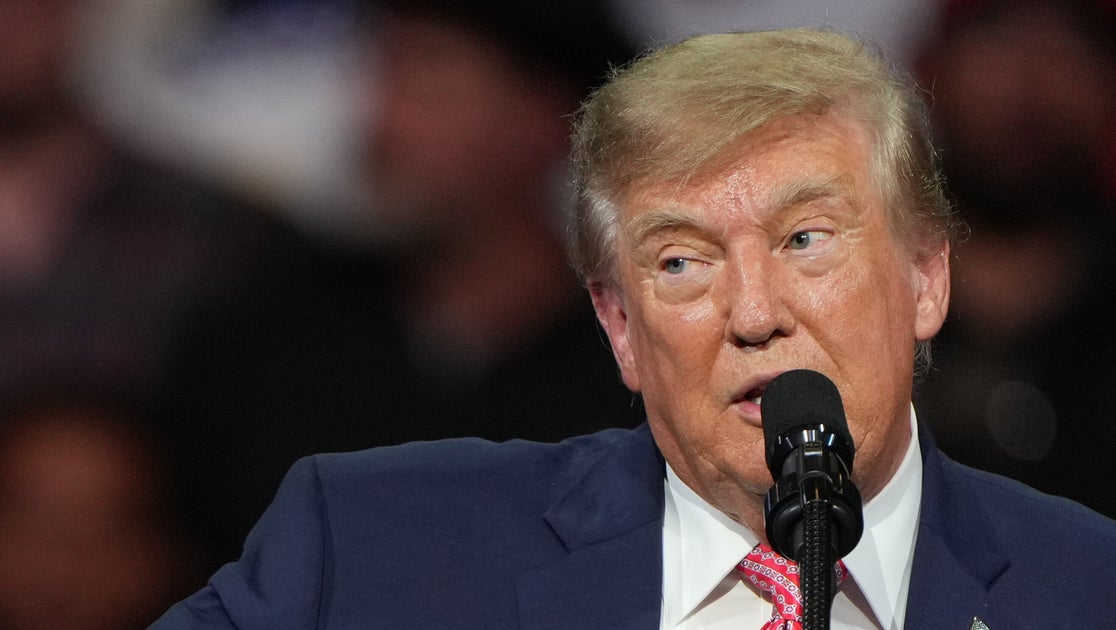
Trump Backs Marshall in Kansas Senate Race Tightened by Farm Costs
President Trump rallied in deep-red Kansas for GOP Sen. Roger Marshall in a competitive race, announcing an $8 billion farm fuel relief program amid high diesel prices. Democrats see an opening to end 94 years of GOP dominance in the state.

Trump Pauses Russia Sanctions Amid Ukraine Tensions and Missile Strikes
Trump waived sanctions on Russia and floated trilateral talks with Putin and Xi as part of ending the Ukraine war, while tensions rose with Zelenskyy over Starlink and arms. Bipartisan senators engaged Zelenskyy amid the shifts.
The Compass
You just read five takes on one story.
What's your take? Find your political shape in a few minutes.
Take the test