
Stocks Rebound as Oil Hits $95 on Iran Tensions
Cover image from thenation.com, which was analyzed for this article
Markets rose after a three-day losing streak, with the Dow gaining on tech and oversold stocks despite mixed economic data and global conflict uncertainty. Investors hunt for bargains in AI-related sectors.
PoliticalOS
Thursday, September 3, 2026 — Business
Energy price increases tied to Iran tensions are now lifting bond yields and inflation expectations across developed economies, even as U.S. stocks found support in tech and oversold shares. The durability of those price moves remains unverified without exporter supply data. Broader political coverage of the same tensions mixes documented donation records with unattributed legal and moral framing that other outlets did not corroborate.
What outlets missed
No outlet supplied production or inventory statistics from major oil exporters that would allow readers to gauge how long the price increase might last. Coverage omitted any Pentagon or intelligence assessments of U.S.-Israel security cooperation outcomes, such as joint exercises or technology transfers. The articles also lacked polling data on American public opinion shifts toward Israel or specific primary spending totals beyond the cited FEC filings for one donor.
Billionaire Funding Counters Progressive Challenges to Israel Backing
Marc Rowan, the Apollo Global Management chief executive with a net worth exceeding $8 billion, has directed $1.5 million this year to the United Democracy Project, a super PAC aligned with the American Israel Public Affairs Committee. Federal Election Commission records show the donations arrived in March and July, coinciding with the group's expenditures against candidates critical of U.S. support for Israel.
Rowan also serves on President Donald Trump's Board of Peace, a United Nations-backed group focused on Gaza redevelopment. At a February gathering, he described the territory's potential in commercial terms, framing stability as essential for progress rather than a barrier defined by external funding shortfalls. Critics have questioned his involvement given past business ties to Jeffrey Epstein, though those links remain unproven in court.
The super PAC's recent activity targeted several races. In Michigan, nearly $50,000 went toward mailers opposing Abdul El-Sayed, a progressive Senate candidate. Additional spending in Missouri aimed at a former Democratic representative. These moves align with broader patterns where pro-Israel groups allocate substantial resources to maintain congressional support for military aid.
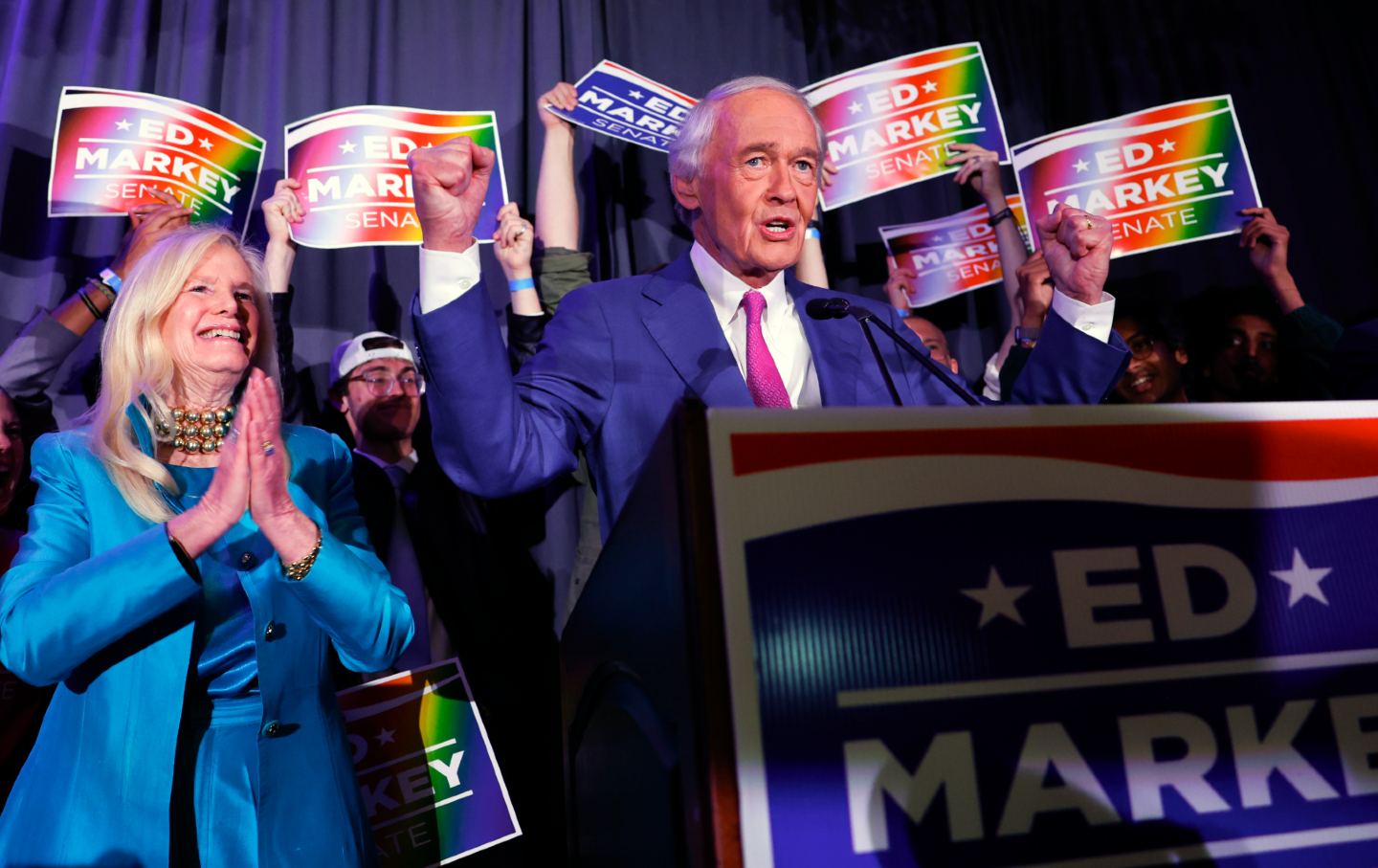
Separate reporting indicates the Israel lobby faces mounting pressure from younger Democratic voters and primary challenges. Ed Markey's Massachusetts Senate primary victory over Seth Moulton highlighted this divide, with Markey emphasizing curbs on Big Tech data centers and opposition to certain foreign aid packages. Such outcomes reflect shifting internal party dynamics rather than outright collapse of established influence networks.
Economic signals add another layer. Oil prices have climbed toward $95 per barrel amid renewed Iran-related tensions, with diesel futures at record levels. Treasury yields rose accordingly, pushing the 10-year benchmark near 4.8 percent. These shifts raise borrowing costs for households and governments, illustrating how regional conflicts transmit directly into domestic price pressures and investment decisions.
Political contributions from wealthy individuals operate within legal bounds established by campaign finance rules. They represent one mechanism among many for advancing policy preferences, comparable to donations from other sectors. Progressive candidates often frame such activity as undue interference, yet similar funding flows support their own priorities on regulation and redistribution.
Data on past elections shows mixed results for challengers emphasizing sharp breaks with Israel policy. Voter priorities frequently center on pocketbook issues, where energy costs and inflation register more immediately than foreign policy debates. Historical patterns suggest sustained economic headwinds can alter electoral incentives faster than ideological campaigns.
The interplay of private donations, primary contests, and market responses underscores how policy disputes rarely remain isolated. Participants on all sides pursue their objectives through available channels, with outcomes determined by voter responses and measurable consequences rather than declarations of inevitable decline or triumph.
You just read Conservative's take. Want to read what actually happened?
More in Business & Economy

Business Activity Holds Up as Selling Prices Rise Fastest Since 2022
S&P Global PMI shows robust activity but selling prices rise at fastest pace since 2022 amid energy and supply chain costs. Halloween candy prices jump 7.7%.

Stock Futures Climb on Anthropic IPO Filing and AI Financing
Major indices rose on enthusiasm from Anthropic's IPO filing and broader AI infrastructure announcements including Meta's massive fundraising plans. Investors are betting heavily on continued AI growth despite valuation concerns.

Tariffs and AI Transition Fuel Growth and Job Worries
Trump's tariff rhetoric and AI-driven restructuring raised concerns about growth, inflation, and job impacts as markets reacted to geopolitical and tech shifts.

AI Companies Weigh Early IPOs as Risks Mount
Nasdaq fell sharply amid concerns over AI spending sustainability and data center costs; Nvidia, Meta, and others were hit as Meta and Tesla reported earnings.
The Compass
You just read five takes on one story.
What's your take? Find your political shape in a few minutes.
Take the test