
Stocks Rebound as Oil Hits $95 on Iran Tensions
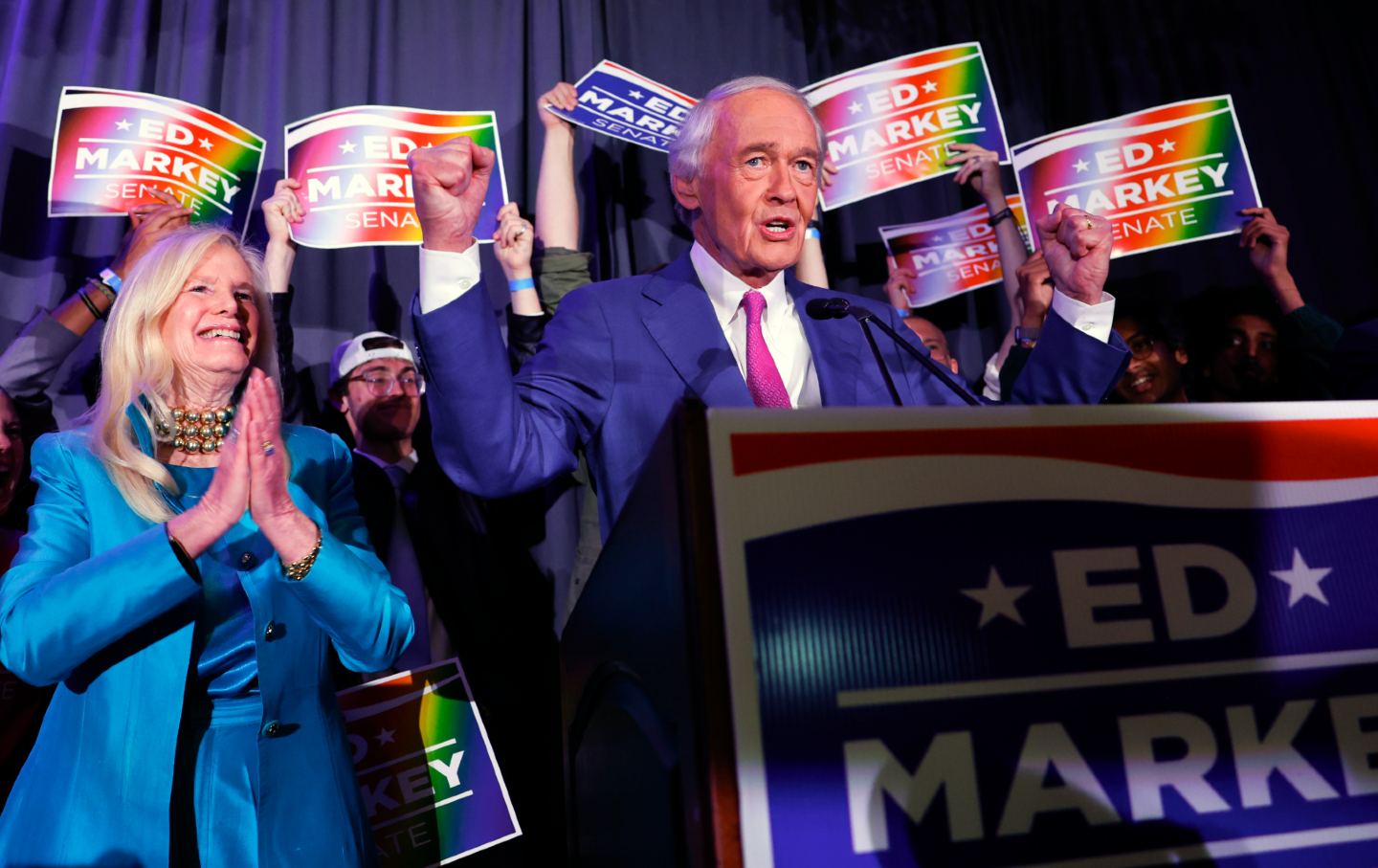
Cover image from thenation.com, which was analyzed for this article
Markets rose after a three-day losing streak, with the Dow gaining on tech and oversold stocks despite mixed economic data and global conflict uncertainty. Investors hunt for bargains in AI-related sectors.
PoliticalOS
Thursday, September 3, 2026 — Business
Energy price increases tied to Iran tensions are now lifting bond yields and inflation expectations across developed economies, even as U.S. stocks found support in tech and oversold shares. The durability of those price moves remains unverified without exporter supply data. Broader political coverage of the same tensions mixes documented donation records with unattributed legal and moral framing that other outlets did not corroborate.
What outlets missed
No outlet supplied production or inventory statistics from major oil exporters that would allow readers to gauge how long the price increase might last. Coverage omitted any Pentagon or intelligence assessments of U.S.-Israel security cooperation outcomes, such as joint exercises or technology transfers. The articles also lacked polling data on American public opinion shifts toward Israel or specific primary spending totals beyond the cited FEC filings for one donor.
Billionaire Donor Pumps Cash Into AIPAC War Chest While Iran Conflict Sends Oil Prices Soaring
Marc Rowan, the Apollo Global Management chief worth over eight billion dollars, has put 1.5 million dollars into an AIPAC super PAC this year alone. Federal records show the first million arrived in March as the group started blanketing airwaves against Representative Thomas Massie, the Kentucky Republican who has long questioned blank check support for Israel. Another half million followed in July, coinciding with fresh spending against progressive challengers in Michigan and Missouri who criticize the flow of American weapons abroad.
Rowan sits on President Trump’s so called Board of Peace, a body meant to reshape postwar Gaza. He has spoken of the territory’s “tremendous potential” in the same breath that he helps bankroll domestic efforts to sideline lawmakers skeptical of endless entanglement. Critics note that Palestinians had no say in his selection, nor did most American voters who now watch energy costs climb from a separate but related conflict.
Oil markets are no longer shrugging off the Iran fighting. Brent crude has climbed back toward 95 dollars a barrel, with diesel futures hitting record highs. The 10 year Treasury yield sits near 4.8 percent, its highest level in years, as higher energy prices feed into broader inflation expectations. Governments from London to Tokyo are feeling the same pressure on their borrowing costs. The Axios reporting makes clear that what began as distant skirmishes now shows up at the pump and in mortgage rates paid by ordinary households.
Meanwhile, the American Israel Public Affairs Committee and its affiliated groups continue operating at peak financial scale even as public skepticism grows. A recent assessment in The Nation asked whether the lobby’s influence is finally eroding after years of open debate over Gaza policy. Pro Israel spending has not slowed, however, and primary challenges against figures like Massie remain a favored tactic. The pattern suggests that donor pressure can still override voter discomfort with foreign aid priorities when elections turn tight.
In Massachusetts, Senator Ed Markey’s primary victory offers a different data point. His campaign stressed resistance to concentrated corporate power in technology and energy, and he framed the win as a rebuke to what he called the “criminal enterprises” of Big Tech and Big Oil. That message resonated with younger voters, but it remains an outlier in a cycle where foreign policy funding from a handful of billionaires continues to shape races far from the Middle East.
The combined picture is one of elite coordination across borders. A financier involved in Gaza planning also funds efforts to punish domestic dissent on Israel policy, while an active conflict with Iran drives up costs that hit American consumers first. Public fatigue with both the spending and the instability is evident in polling and primary turnout, yet the machinery of influence shows little sign of pausing. Voters who want an America first reset on alliances and energy dependence have fewer outlets inside either party to register that preference at the ballot box.
You just read America First's take. Want to read what actually happened?
More in Business & Economy

Business Activity Holds Up as Selling Prices Rise Fastest Since 2022
S&P Global PMI shows robust activity but selling prices rise at fastest pace since 2022 amid energy and supply chain costs. Halloween candy prices jump 7.7%.

Stock Futures Climb on Anthropic IPO Filing and AI Financing
Major indices rose on enthusiasm from Anthropic's IPO filing and broader AI infrastructure announcements including Meta's massive fundraising plans. Investors are betting heavily on continued AI growth despite valuation concerns.

Tariffs and AI Transition Fuel Growth and Job Worries
Trump's tariff rhetoric and AI-driven restructuring raised concerns about growth, inflation, and job impacts as markets reacted to geopolitical and tech shifts.

AI Companies Weigh Early IPOs as Risks Mount
Nasdaq fell sharply amid concerns over AI spending sustainability and data center costs; Nvidia, Meta, and others were hit as Meta and Tesla reported earnings.
The Compass
You just read five takes on one story.
What's your take? Find your political shape in a few minutes.
Take the test