
Stocks Rebound as Oil Hits $95 on Iran Tensions
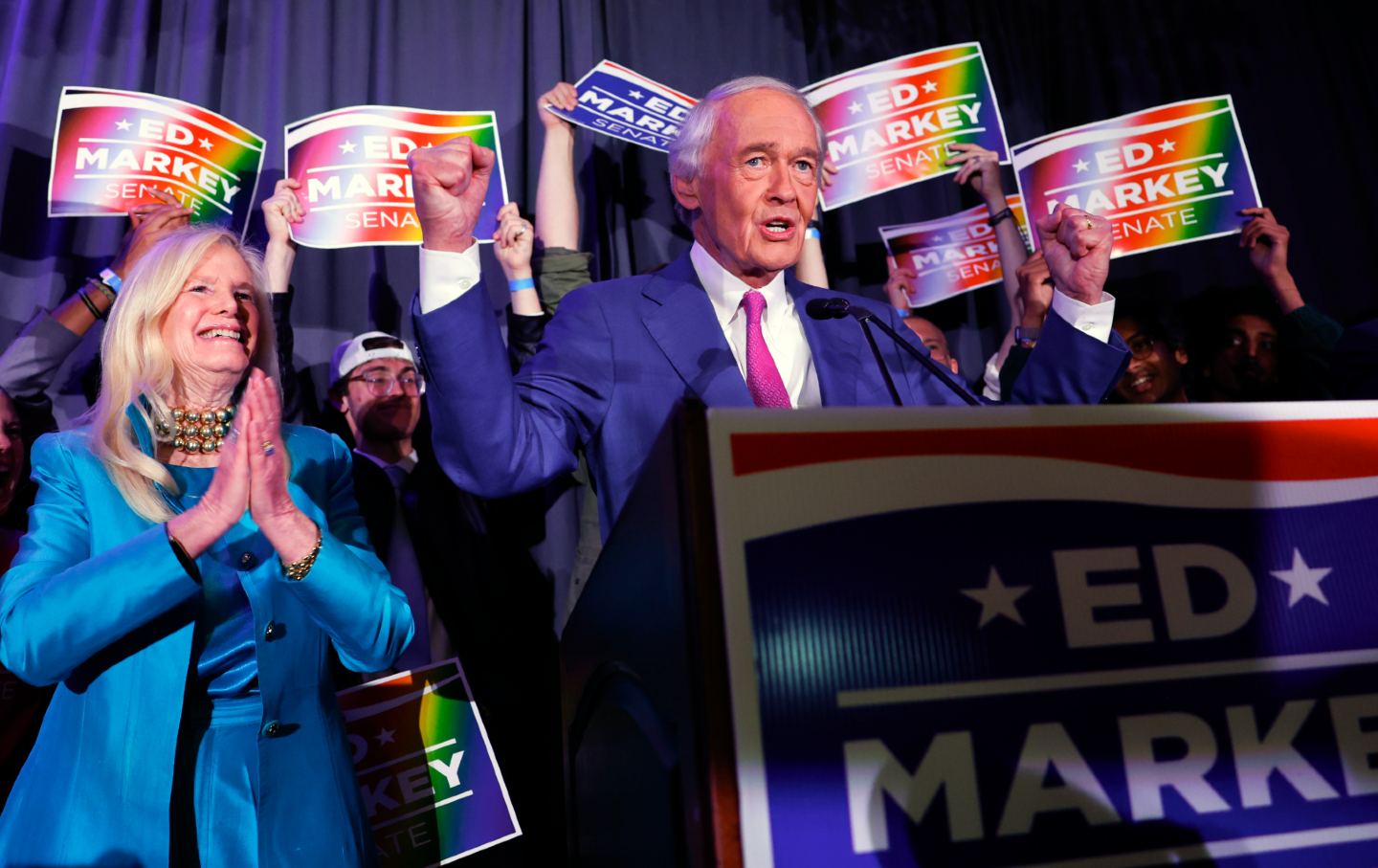
Cover image from thenation.com, which was analyzed for this article
Markets rose after a three-day losing streak, with the Dow gaining on tech and oversold stocks despite mixed economic data and global conflict uncertainty. Investors hunt for bargains in AI-related sectors.
PoliticalOS
Thursday, September 3, 2026 — Business
Energy price increases tied to Iran tensions are now lifting bond yields and inflation expectations across developed economies, even as U.S. stocks found support in tech and oversold shares. The durability of those price moves remains unverified without exporter supply data. Broader political coverage of the same tensions mixes documented donation records with unattributed legal and moral framing that other outlets did not corroborate.
What outlets missed
No outlet supplied production or inventory statistics from major oil exporters that would allow readers to gauge how long the price increase might last. Coverage omitted any Pentagon or intelligence assessments of U.S.-Israel security cooperation outcomes, such as joint exercises or technology transfers. The articles also lacked polling data on American public opinion shifts toward Israel or specific primary spending totals beyond the cited FEC filings for one donor.
Billionaire Marc Rowan Fuels AIPAC Push to Silence Pro-Palestine Candidates
Marc Rowan, the billionaire CEO of Apollo Global Management, has poured $1.5 million into an AIPAC-linked super PAC this year to bankroll attacks on candidates critical of U.S. support for Israel. Federal Election Commission records show the first $1 million donation arrived in March, followed by another $500,000 in July. The United Democracy Project, the super PAC in question, immediately deployed the cash against figures such as Rep. Thomas Massie in Kentucky and progressive Senate hopeful Abdul El-Sayed in Michigan.
Rowan sits on President Trump’s so-called Board of Peace, a body approved by the United Nations to oversee reconstruction in Gaza. At a February gathering he described bombed-out Palestinian land as ripe for development, insisting the only obstacle was the absence of peace. Critics note that Palestinians had no say in his appointment, nor did American voters. Rowan’s business record includes past consultations with Jeffrey Epstein, adding to questions about the company he keeps while shaping policy toward the devastated territory.
The spending fits a broader pattern. AIPAC’s network has escalated efforts to neutralize Democratic and Republican voices calling for accountability over Israel’s war in Gaza. In Missouri the super PAC spent heavily on phone banking to undermine former Rep. Cori Bush’s allies. These moves come even as polling shows eroding public support for unconditional aid to Israel and growing skepticism about the lobby’s outsized role in primaries.
Pro-Israel groups insist the donations protect a vital alliance. Yet the scale of the effort reveals anxiety. After years of shielding Israel from scrutiny, AIPAC and its affiliates now confront a younger electorate less willing to accept blank-check support. The group’s super PAC has already spent tens of millions this cycle, targeting candidates who question arms shipments or settlements. Rowan’s checks represent a fraction of his fortune, yet they amplify a machine designed to punish dissent.
The contrast with Rowan’s Gaza vision is stark. While he promotes “peace” as a development opportunity, the political operation he funds works to sideline those highlighting civilian casualties and humanitarian catastrophe. Progressive organizers argue this dynamic distorts foreign policy and discourages honest debate. Massie, El-Sayed and others have faced well-funded attacks precisely because they refuse to treat criticism of Israeli policy as off-limits.
Whether the strategy succeeds remains uncertain. Primary challenges have already removed some vocal critics, but the underlying shift in public opinion continues. Younger Democrats in particular view unconditional backing for Israel as incompatible with human-rights principles. AIPAC’s donor class, led by figures like Rowan, appears determined to slow that change through money rather than persuasion. The result is a political environment where policy toward Gaza is shaped as much by super PAC ledgers as by constituent concerns.
You just read Progressive's take. Want to read what actually happened?
More in Business & Economy

Business Activity Holds Up as Selling Prices Rise Fastest Since 2022
S&P Global PMI shows robust activity but selling prices rise at fastest pace since 2022 amid energy and supply chain costs. Halloween candy prices jump 7.7%.

Stock Futures Climb on Anthropic IPO Filing and AI Financing
Major indices rose on enthusiasm from Anthropic's IPO filing and broader AI infrastructure announcements including Meta's massive fundraising plans. Investors are betting heavily on continued AI growth despite valuation concerns.

Tariffs and AI Transition Fuel Growth and Job Worries
Trump's tariff rhetoric and AI-driven restructuring raised concerns about growth, inflation, and job impacts as markets reacted to geopolitical and tech shifts.

AI Companies Weigh Early IPOs as Risks Mount
Nasdaq fell sharply amid concerns over AI spending sustainability and data center costs; Nvidia, Meta, and others were hit as Meta and Tesla reported earnings.
The Compass
You just read five takes on one story.
What's your take? Find your political shape in a few minutes.
Take the test