
Senate Confirms Warsh Fed Chair 54-45 Amid Rising Inflation
Cover image from theweek.com, which was analyzed for this article
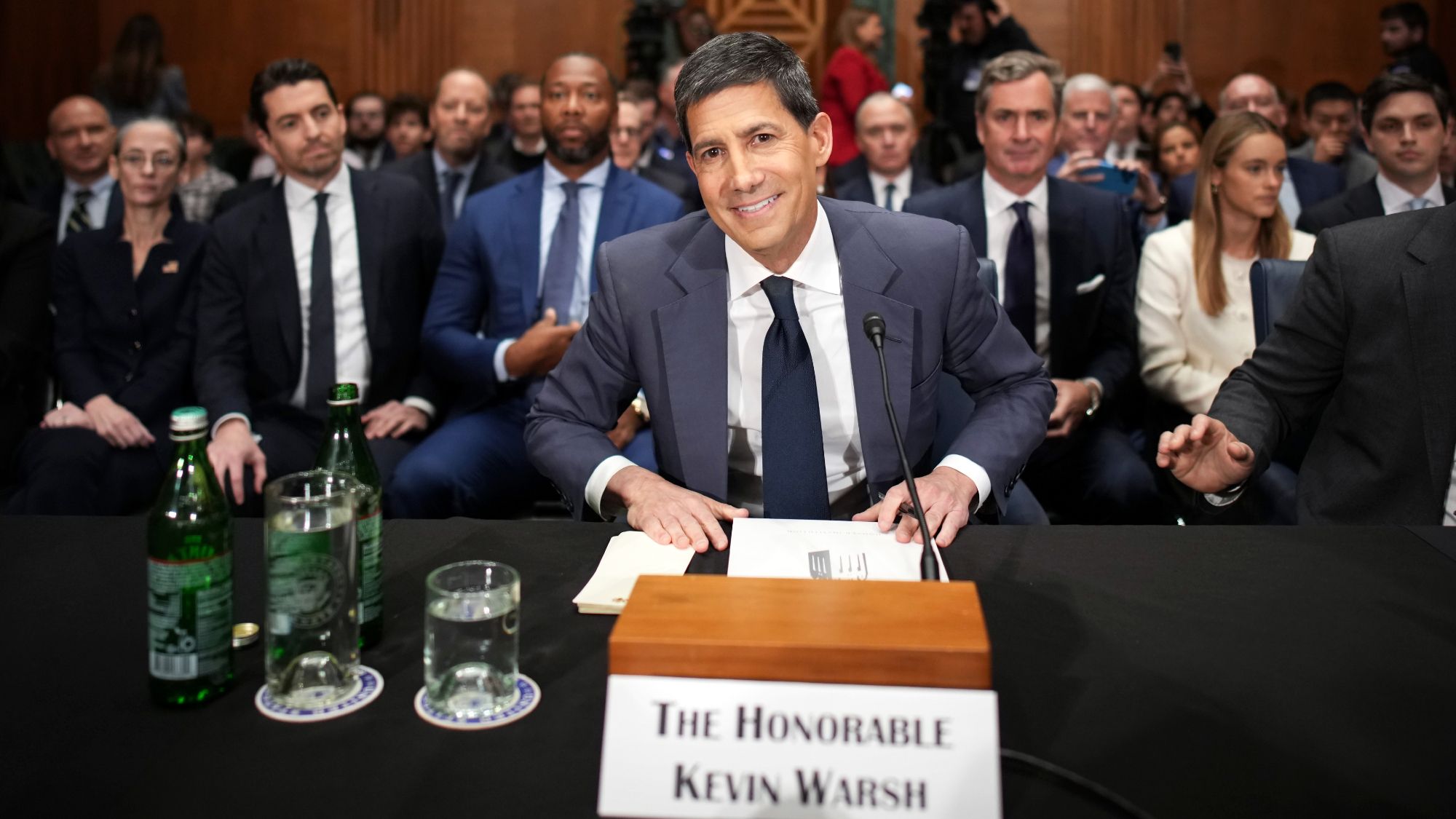
The Senate confirmed Kevin Warsh as the next Fed Chair amid debates on inflation control and Trump economic policies. He replaces Jerome Powell. Markets react to potential policy shifts.
PoliticalOS
Thursday, May 14, 2026 — Business
Warsh takes over at a moment when fresh inflation data and a narrow confirmation vote together constrain the room for immediate policy change. The central question is whether the new chair can maintain the Fed's operational independence while satisfying administration expectations on rates.
What outlets missed
Most coverage omitted that the 54-45 margin is the narrowest since 1977 and failed to name the single Democratic supporter, Senator John Fetterman. The producer-price increase was driven primarily by energy and services components, with core measures rising more modestly, a distinction that affects how persistent the inflation signal appears. No other outlet corroborated the reported resignation of Governor Stephen Miran or the existence of any resignation letter praising Warsh.
Senate Approves Kevin Warsh to Lead Federal Reserve as Inflation Concerns Mount
The Senate confirmed Kevin Warsh as the next Federal Reserve chair on Wednesday in a 54-45 vote that largely followed party lines. Only one Democrat supported the nomination, reflecting deep divisions over the central bank's future direction. Warsh will assume the role on Friday, succeeding Jerome Powell at a time when fresh data shows producer prices rising 1.4 percent in the prior month and 6 percent over the past year.
These wholesale inflation figures represent the highest levels in at least three years and come alongside elevated consumer price readings. The numbers exceed forecasts by a wide margin and signal that price pressures are accelerating rather than easing. Warsh takes office after advocating rate reductions during his confirmation process, yet the latest evidence suggests the path to easier policy may prove narrower than anticipated.
Outgoing Fed Governor Stephen Miran, who served only since last September, submitted his resignation effective around the time of Warsh's arrival. In his letter, Miran described his tenure as the highest honor of his life and voiced support for Warsh's approach. He specifically highlighted the need to refine communications policy, adjust the balance sheet, and confine the Fed strictly to its monetary mandate while avoiding entanglement in political or cultural disputes.
Miran had consistently dissented from recent Federal Open Market Committee decisions. He opposed three quarter-point rate cuts last year and favored additional easing in the three meetings held so far this year when the committee instead held rates steady. His record illustrates the internal debate over how aggressively to respond to both inflation and growth concerns.
Warsh inherits an institution facing public frustration with the economy and questions about its independence. The narrow confirmation margin underscores partisan doubts that the new chair will resist external pressure for lower rates. Historical patterns show that sustained inflation erodes purchasing power, distorts investment decisions, and ultimately slows real wage growth for workers across income levels.
Policy choices that expand the money supply beyond underlying productivity gains have repeatedly produced similar outcomes in past decades. The current data on producer prices suggests those dynamics remain active. Warsh's stated priorities align with returning the Fed to a narrower focus on price stability and financial system soundness rather than broader social objectives.
Market participants will watch the new leadership's early signals on rate policy and balance sheet management. Any sustained departure from data-driven restraint risks repeating the errors that fueled prior inflation episodes. The incoming chair's record and Miran's parting comments point toward an emphasis on empirical outcomes over short-term political demands.
You just read Conservative's take. Want to read what actually happened?
More in Business & Economy

Stocks Rise on Earnings as Home Sales Hit Low
Major indices closed mixed to higher, led by healthcare and defensive stocks, as companies like Eli Lilly and UnitedHealth reported strong results. Pending home sales hit record lows.

US Stocks Mixed as Tech Rebounds on AI Optimism
The Dow slipped slightly while the S&P 500 and Nasdaq rose, led by Nvidia, AMD, and Intel gains on renewed AI sector confidence after prior drops. Broader market volatility tied to earnings and data center demand.

Trump Unveils $8 Billion Diesel Relief for Farmers
The Agriculture Department launched the program to offset record diesel prices for farmers, framed as economic aid and a midterm pitch in Kansas amid ongoing inflation and energy cost pressures.
CPI Rises to 3.7 Percent as Energy Costs Climb Amid Iran Conflict
Hotter-than-expected CPI figures fueled rate hike fears and contributed to sharp declines in AI and tech stocks. Left and right economic commentary debates Trump policies versus Fed actions.
The Compass
You just read five takes on one story.
What's your take? Find your political shape in a few minutes.
Take the test