
Senate Confirms Warsh Fed Chair 54-45 Amid Rising Inflation
Cover image from theweek.com, which was analyzed for this article
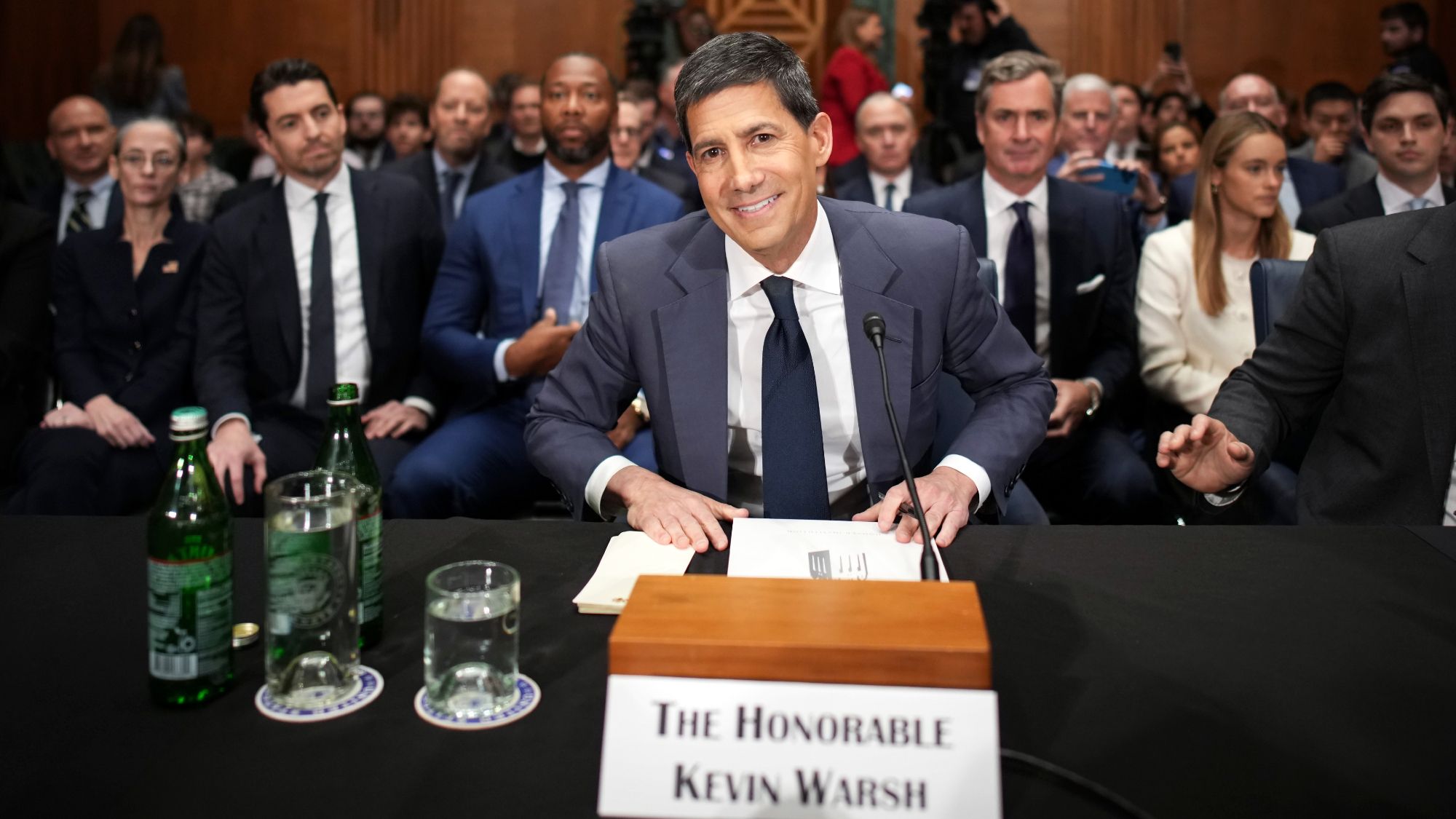
The Senate confirmed Kevin Warsh as the next Fed Chair amid debates on inflation control and Trump economic policies. He replaces Jerome Powell. Markets react to potential policy shifts.
PoliticalOS
Thursday, May 14, 2026 — Business
Warsh takes over at a moment when fresh inflation data and a narrow confirmation vote together constrain the room for immediate policy change. The central question is whether the new chair can maintain the Fed's operational independence while satisfying administration expectations on rates.
What outlets missed
Most coverage omitted that the 54-45 margin is the narrowest since 1977 and failed to name the single Democratic supporter, Senator John Fetterman. The producer-price increase was driven primarily by energy and services components, with core measures rising more modestly, a distinction that affects how persistent the inflation signal appears. No other outlet corroborated the reported resignation of Governor Stephen Miran or the existence of any resignation letter praising Warsh.
Senate Narrowly Backs Warsh to Head Federal Reserve as Inflation Accelerates
The Senate voted 54 to 45 on Wednesday to confirm Kevin Warsh as the next chairman of the Federal Reserve, handing President Trump his preferred candidate to lead the central bank through a period of rising prices and economic unease. Only one Democrat crossed party lines in support, underscoring the partisan divide over how the institution should respond to persistent inflation.
Warsh, a former Fed governor and Treasury official, will assume the role on Friday, replacing Jerome Powell. The confirmation came after months of public pressure from Trump for lower interest rates, a stance Warsh echoed during his nomination process. Fresh data from the Labor Department showed producer prices climbing 1.4 percent in April, pushing the year-over-year increase to 6 percent, the highest level in at least three years. Those figures followed earlier consumer price readings that already signaled broader cost pressures on households for essentials like food, energy, and housing.
The narrow margin of confirmation reflected Democratic concerns that Warsh would act too closely with the White House. Yet the vote also highlighted how the Fed has operated with significant insulation from elected officials for years, even as its decisions on rates and the money supply directly shape wages, savings, and borrowing costs for ordinary Americans. Warsh has argued for policy adjustments that account for non-monetary factors driving prices higher, including supply constraints and fiscal decisions made outside the central bank.
In a related development, Fed Governor Stephen Miran submitted his resignation on Thursday, effective around the time Warsh takes office. Miran, who filled an unexpired term last fall, had consistently dissented from the Federal Open Market Committee's recent rate decisions, favoring deeper cuts than the three quarter-point reductions approved in 2025 and opposing subsequent holds. In his resignation letter, Miran praised the opportunity to serve and expressed hope that the new leadership would focus the Fed on its core mandate rather than venturing into unrelated political or cultural debates. He also called for clearer communications and a more restrained approach to the central bank's balance sheet.
The timing of the confirmation and Miran's departure arrives as inflation readings continue to outpace earlier forecasts from officials. Wholesale costs rising at this pace often translate into higher prices at the retail level in coming months, adding to public frustration with an economy that has seen uneven gains across regions and income levels. Warsh will inherit an institution whose independence has been tested by both political demands for easier money and the reality of stubborn price increases that erode purchasing power.
Supporters of the new chair point to his experience and willingness to revisit how the Fed weighs growth against inflation risks. Critics, primarily Democrats, worry the narrow confirmation signals reduced autonomy for the central bank. The data released this week, however, shows that inflation has not cooled as steadily as some projections suggested earlier in the year, leaving Warsh with immediate questions about when, or whether, rate relief can safely occur without reigniting further price gains.
You just read America First's take. Want to read what actually happened?
More in Business & Economy

Stocks Rise on Earnings as Home Sales Hit Low
Major indices closed mixed to higher, led by healthcare and defensive stocks, as companies like Eli Lilly and UnitedHealth reported strong results. Pending home sales hit record lows.

US Stocks Mixed as Tech Rebounds on AI Optimism
The Dow slipped slightly while the S&P 500 and Nasdaq rose, led by Nvidia, AMD, and Intel gains on renewed AI sector confidence after prior drops. Broader market volatility tied to earnings and data center demand.

Trump Unveils $8 Billion Diesel Relief for Farmers
The Agriculture Department launched the program to offset record diesel prices for farmers, framed as economic aid and a midterm pitch in Kansas amid ongoing inflation and energy cost pressures.
CPI Rises to 3.7 Percent as Energy Costs Climb Amid Iran Conflict
Hotter-than-expected CPI figures fueled rate hike fears and contributed to sharp declines in AI and tech stocks. Left and right economic commentary debates Trump policies versus Fed actions.
The Compass
You just read five takes on one story.
What's your take? Find your political shape in a few minutes.
Take the test