
Senate Confirms Warsh Fed Chair 54-45 Amid Rising Inflation
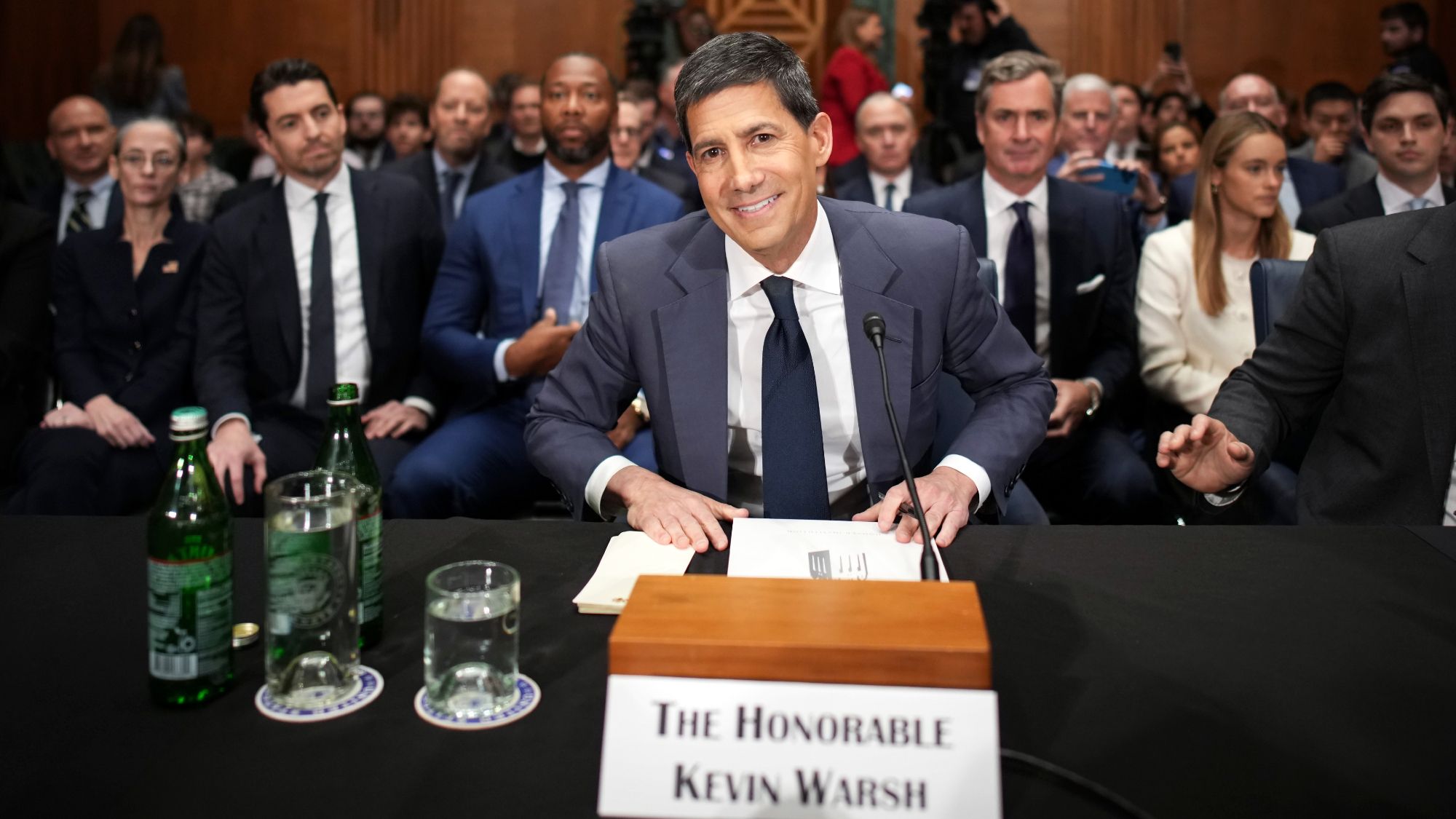
Cover image from theweek.com, which was analyzed for this article
The Senate confirmed Kevin Warsh as the next Fed Chair amid debates on inflation control and Trump economic policies. He replaces Jerome Powell. Markets react to potential policy shifts.
PoliticalOS
Thursday, May 14, 2026 — Business
Warsh takes over at a moment when fresh inflation data and a narrow confirmation vote together constrain the room for immediate policy change. The central question is whether the new chair can maintain the Fed's operational independence while satisfying administration expectations on rates.
What outlets missed
Most coverage omitted that the 54-45 margin is the narrowest since 1977 and failed to name the single Democratic supporter, Senator John Fetterman. The producer-price increase was driven primarily by energy and services components, with core measures rising more modestly, a distinction that affects how persistent the inflation signal appears. No other outlet corroborated the reported resignation of Governor Stephen Miran or the existence of any resignation letter praising Warsh.
Senate Confirms Kevin Warsh as Federal Reserve Chair in Narrow Vote
The Senate on Wednesday confirmed Kevin Warsh as the next chair of the Federal Reserve in a 54-45 vote that largely followed party lines, with only one Democrat crossing over to support President Donald Trump’s nominee. Warsh will assume the role on Friday, succeeding Jerome Powell at a moment when fresh data show producer prices rising 1.4 percent in April and 6 percent over the past year, the steepest annual increase in at least three years.
Those figures add to evidence that inflation remains stubborn even as the administration has pressed the central bank to accelerate interest-rate reductions. Warsh, who served on the Fed board during the 2008 financial crisis, campaigned for the chairmanship in part by signaling openness to faster easing. The latest wholesale inflation readings now complicate that path, raising questions about how quickly the new leadership can deliver the policy shift Trump has sought.
The confirmation margin was the narrowest for any Fed chair in modern history. Democrats have voiced concern that Warsh will prove too responsive to White House preferences on rates, potentially eroding the institution’s traditional distance from partisan pressure. Supporters counter that Warsh’s experience equips him to navigate both monetary and regulatory questions without simply following political cues.
Outgoing Fed Governor Stephen Miran, who served only since last September, resigned Thursday and endorsed Warsh’s agenda. In his letter, Miran called for clearer communications, a more disciplined approach to the Fed’s balance sheet, and a stricter focus on the central bank’s statutory mandate. He had dissented repeatedly during his short tenure, favoring deeper rate cuts than the Federal Open Market Committee ultimately approved.
The combination of rising price pressures and a narrowly confirmed chair creates an immediate test for the Fed’s credibility. Markets will watch whether Warsh maintains the data-dependent posture that has defined recent policy or tilts toward the administration’s preference for quicker easing. Either choice carries risks: premature cuts could entrench inflation, while holding rates higher for longer could slow growth at a time when consumer sentiment is already weak.
Warsh’s early moves on communications and balance-sheet policy will also matter. The Fed has expanded its role in recent years into areas such as climate-related financial risks and racial equity in lending. Miran’s statement suggested Warsh intends to narrow that scope, returning emphasis to core inflation and employment goals. How Congress and financial markets respond will help determine whether the central bank can preserve operational independence amid heightened political scrutiny.
For now, the immediate challenge is reconciling the administration’s growth objectives with the latest evidence that price stability remains elusive. Warsh takes office with limited room to maneuver and little margin for error.
You just read Liberal's take. Want to read what actually happened?
More in Business & Economy

AI Companies Weigh Early IPOs as Risks Mount
Nasdaq fell sharply amid concerns over AI spending sustainability and data center costs; Nvidia, Meta, and others were hit as Meta and Tesla reported earnings.

Stocks Rise on Earnings as Home Sales Hit Low
Major indices closed mixed to higher, led by healthcare and defensive stocks, as companies like Eli Lilly and UnitedHealth reported strong results. Pending home sales hit record lows.

US Stocks Mixed as Tech Rebounds on AI Optimism
The Dow slipped slightly while the S&P 500 and Nasdaq rose, led by Nvidia, AMD, and Intel gains on renewed AI sector confidence after prior drops. Broader market volatility tied to earnings and data center demand.

Trump Unveils $8 Billion Diesel Relief for Farmers
The Agriculture Department launched the program to offset record diesel prices for farmers, framed as economic aid and a midterm pitch in Kansas amid ongoing inflation and energy cost pressures.
The Compass
You just read five takes on one story.
What's your take? Find your political shape in a few minutes.
Take the test