
US Water Systems Face Growing Cyberattack Risks
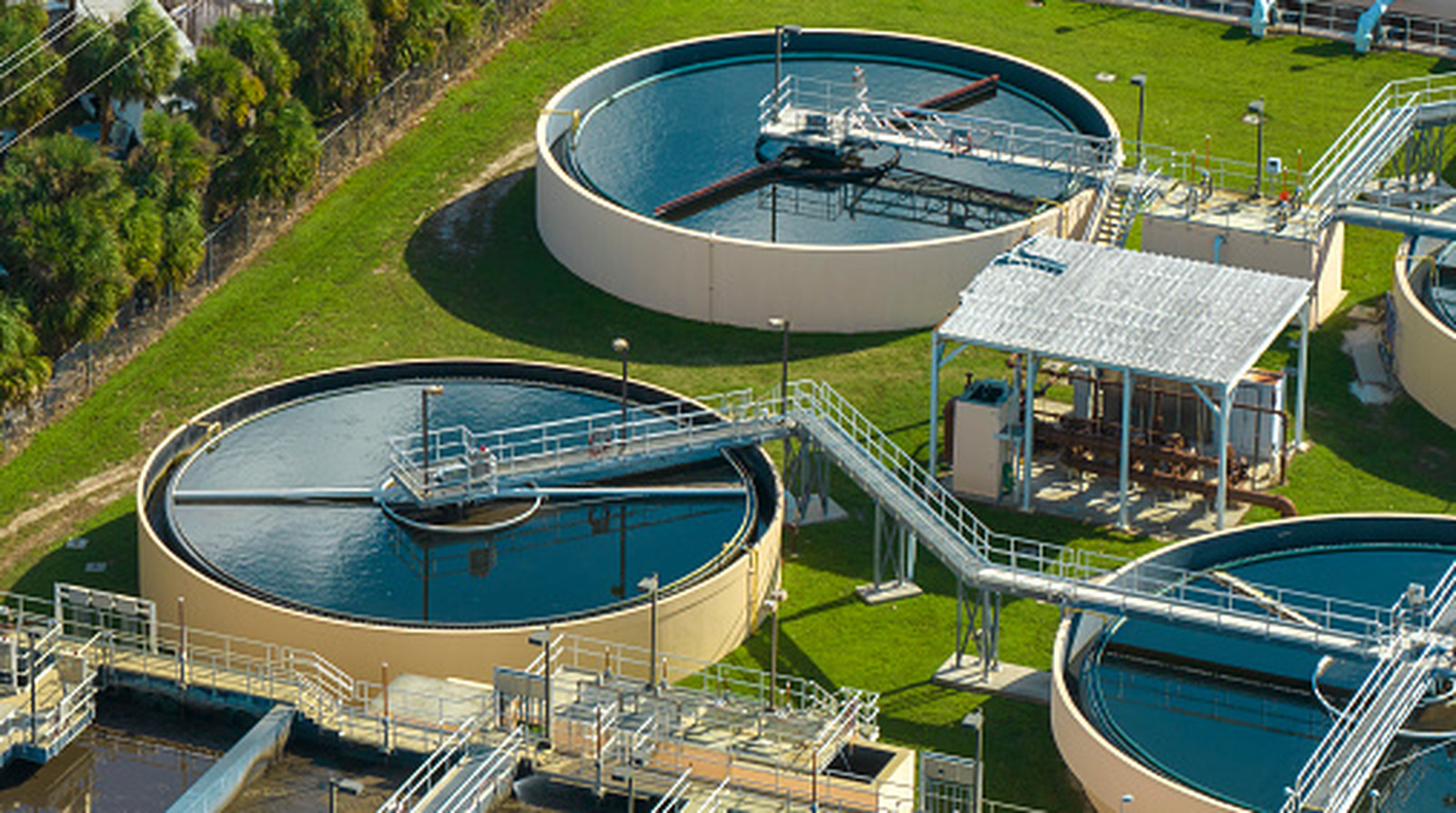
Cover image from engadget.com, which was analyzed for this article
Recent hacks and suspected Iranian activity highlight vulnerabilities in critical water infrastructure nationwide.
PoliticalOS
Saturday, August 1, 2026 — Tech
The two outlets examined provided no usable information on the water system cyberattacks. Readers seeking details on the incidents, their scope, or federal responses must consult other sources that actually reported the events.
What outlets missed
Neither provided outlet delivered any reporting on the water system incidents despite the topic summary. The Dispatch entry contained only a headline and unrelated material, leaving readers without details on affected states or federal assessments. Slate published an unrelated advice column with no connection to infrastructure security. This left core elements such as the number of states involved and technical descriptions of the hacks entirely absent from both sources.
Iranian Hackers Suspected in Attacks on Water Systems Across Seven States
Federal investigators are examining a wave of cyberattacks that struck water and wastewater utilities in seven states beginning July 27, with evidence pointing to operators linked to Iran. A memo reviewed by authorities connects dozens of incidents in Minnesota alone to Iranian actors, marking the most sustained campaign against American infrastructure since the current conflict with Iran began six months ago. Victims reported flooding and sudden drops in water pressure after intruders gained remote access to internet-connected devices.
The intrusions centered on programmable logic controllers that manage treatment and distribution operations. Attackers altered internet protocol addresses and passwords, blocking utility staff from monitoring or adjusting system functions. The FBI and Environmental Protection Agency issued a joint advisory urging operators to isolate these controllers behind secure gateways and firewalls rather than leaving them exposed online. They also recommended stricter password policies and access controls limited to verified devices.
This pattern fits a longer record of Iranian-linked operations against U.S. targets. Between 2011 and 2013, individuals tied to Iranian government entities conducted distributed denial-of-service attacks on 46 financial institutions, disabling customer access and imposing remediation costs in the tens of millions. The same indictment charged one defendant with penetrating the control system of the Bowman Avenue Dam in Rye, New York, where operators could view water levels and the status of the sluice gate. Similar efforts have struck political figures, private companies, and other critical facilities over the past decade.
Confirmation of Iranian responsibility in the latest cases remains under review, as investigators weigh technical indicators against the possibility that actors sought to mimic Iranian signatures to complicate attribution during active hostilities. Iranian officials have consistently denied involvement in such activity. The incidents underscore how readily available industrial control equipment can be reached when basic network protections are absent.
Utilities affected so far have not disclosed the precise states involved beyond Minnesota, though the scope spans multiple regions. The FBI noted that pressure losses risk allowing untreated groundwater to enter distribution lines, amplifying operational disruptions. Officials continue to collect logs and forensic data while advising facilities to segment networks and remove unnecessary remote access points.
Past episodes demonstrate that Iranian operators often scan for widely known vulnerabilities in public-facing systems rather than deploying sophisticated zero-day exploits. The current round follows the same approach, exploiting equipment that many small and medium utilities leave connected for convenience. Enforcement of stronger segmentation and credential practices rests primarily with facility owners, who face direct consequences when systems are compromised.
You just read Conservative's take. Want to read what actually happened?
More in Technology

Democratic Wins Heighten Scrutiny of Data Center Expansion
Newly empowered Democrats signaled opposition to rapid AI data center growth on public lands and elsewhere. This contributed to market pressure on chipmakers and infrastructure firms.
Nvidia Faces Added Scrutiny on AI Shipments After Midterms
Nvidia faces increased monitoring of accelerator shipments amid smuggling concerns to China. Broader regulatory uncertainty from the election weighed on the sector.

Google Ties Search Access to AI Opt-In for K-12 Schools
Google will turn its AI tools off by default for K-12 students starting in 2027 and will restrict Search access for schools that fully block AI. The policy reflects deeper integration of AI into core products. Right-leaning New York Post and tech coverage noted the changes.

FBI Ties $6.3 Billion Binance Hack to North Korea; Pyongyang Fires Missiles
The FBI linked the theft of over $6 billion in cryptocurrency from Binance to North Korea's Lazarus Group, citing social engineering. Laundering the funds is expected to take months. Engadget, New York Post, and other outlets reported on the investigation.
The Compass
You just read five takes on one story.
What's your take? Find your political shape in a few minutes.
Take the test