
White House Warns Staff Against Using Nonpublic Info for Prediction Market Bets
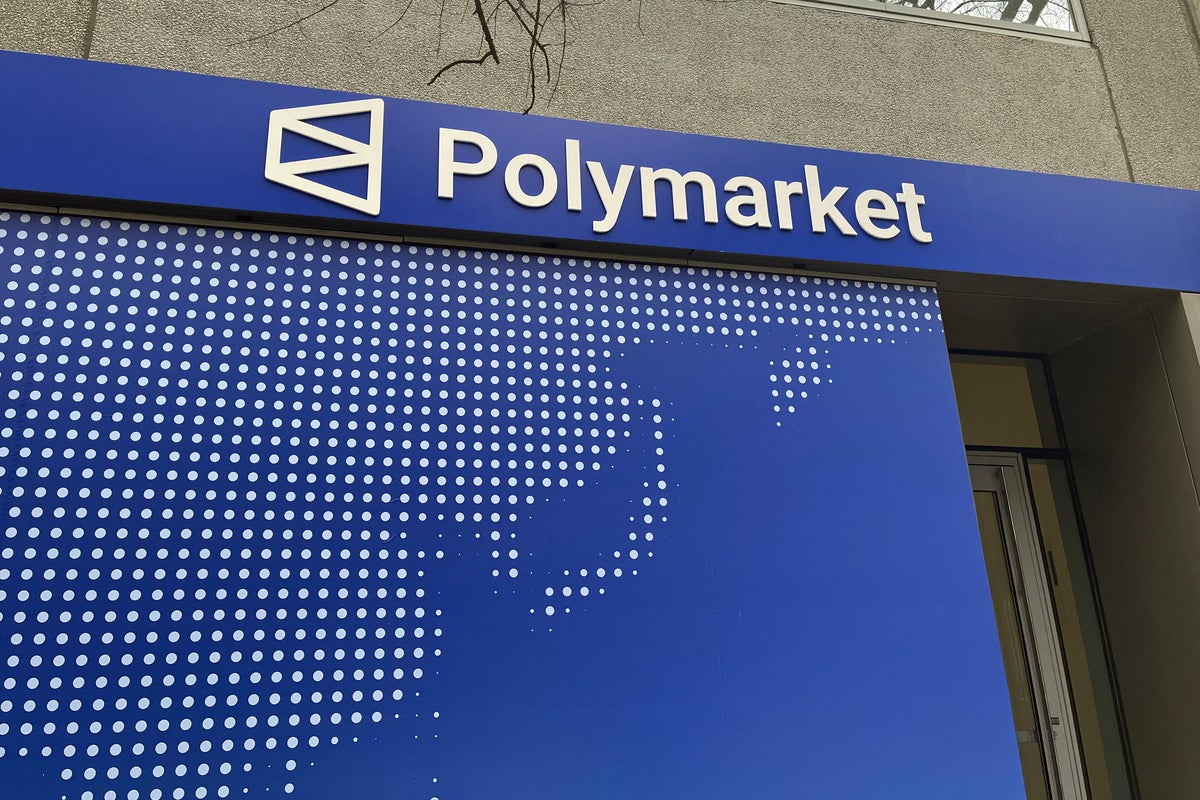
Cover image from independent.co.uk, which was analyzed for this article
The White House issued guidance to staff prohibiting bets on prediction markets like Polymarket and Kalshi due to insider trading risks heightened by rapid developments in the Iran war and oil prices. The memo comes amid scrutiny over potential misuse of non-public information affecting markets. Lawmakers have raised concerns about such platforms during geopolitical tensions.
PoliticalOS
Friday, April 10, 2026 — Business
The White House has reminded staff that using nonpublic information to bet on prediction markets violates ethics rules and can be criminal, prompted by unusual oil-futures activity and Polymarket positions that preceded Iran-related announcements. No evidence has established that any official placed such bets, yet the episode exposes how easily sensitive geopolitical developments can be monetized on lightly regulated platforms. The real stakes are whether lawmakers and regulators can update rules for these new markets before the next crisis turns national-security timing into a tradable commodity.
What outlets missed
Most outlets downplayed or omitted that the March 24 memo was a broad reminder of existing ethics rules covering all nonpublic information, not a targeted reaction to specific Iran bets or an admission of wrongdoing. They also underplayed platform responses: both Kalshi and Polymarket announced new internal bans on insider trading shortly after the scrutiny, including barring participants with potential influence over outcomes. Bipartisan legislation existed beyond the Democratic bills highlighted, including a House measure with Republican co-sponsors aimed at executive-branch families. Finally, coverage rarely noted the absence of any confirmed investigation, charge or identified White House account despite months of anonymous trading on crypto-based platforms, leaving the 'insider' narrative suggestive rather than evidentiary.
White House Staff Warned Against Betting on Iran War Outcomes as Suspicious Trades Multiply
The White House sent a formal warning to its employees last month prohibiting the use of nonpublic information to place bets on prediction markets, an email obtained by multiple outlets shows, even as a wave of eerily accurate trades on platforms like Polymarket and Kalshi has intensified scrutiny over potential insider activity during the Trump administration's volatile standoff with Iran.
The March 24 email from the White House Management Office arrived one day after President Donald Trump announced a five-day pause on threatened strikes against Iranian power plants and energy infrastructure. It explicitly cited "recent press reports" raising concerns about government officials wagering on online platforms. "It is a criminal offense for anyone to use nonpublic information to buy or sell these contracts," the email stated, reminding staff that ethics regulations bar the misuse of official information for personal or third-party financial gain. Misuse, it added, "is a very serious offense and will not be tolerated."
White House spokesman Davis Ingle pushed back against any suggestion of wrongdoing. "President Trump has been crystal clear," Ingle said. "While he seeks a strong and profitable stock market for everyone, members of Congress and other government officials should be prohibited from using nonpublic information for financial benefit." He called implications of administration involvement "baseless and irresponsible reporting" absent concrete evidence, and stressed that all federal employees are bound by ethics guidelines.
Yet the timing and patterns of the trades have alarmed lawmakers, ethicists, and market observers. According to The Wall Street Journal, more than 50 new Polymarket accounts were created in the minutes before Trump's Iran ceasefire announcement, with three of them netting more than $600,000 by correctly forecasting its precise timing. Polymarket trades are conducted in cryptocurrency, making them largely untraceable. Similar red flags emerged earlier this year when an anonymous account earned nearly $500,000 betting on the U.S. capture of Venezuelan President Nicolás Maduro shortly before it became public.
The Iran-related activity extends beyond prediction platforms. On the morning of Trump's March 23 Truth Social post announcing the pause, a flurry of oil futures contracts covering at least six million barrels of Brent and West Texas Intermediate crude were sold in just two minutes, according to Bloomberg data. That volume dwarfed the recent average, occurring as markets reacted to signals that Trump might be softening his aggressive posture, a pattern traders have dubbed TACO: Trump Always Chickens Out.
These episodes come as prediction markets have exploded in popularity. Platforms like Polymarket and Kalshi allow users to trade contracts on everything from election results and Federal Reserve decisions to geopolitical conflicts and sports outcomes. Their operators insist the products resemble investing more than gambling, helping them skirt strict U.S. gambling regulations. Trading volumes surged during the 2024 election and have remained high around major international events.
Critics argue the lack of transparency creates obvious risks for public officials with access to classified briefings. Democratic Senator Adam Schiff of California and Republican Senator John Curtis of Utah introduced legislation this week that would ban federal officials from trading on prediction markets. The move reflects growing bipartisan unease, though skepticism remains high that meaningful reform will pass in a Congress where many members themselves trade individual stocks.
The controversy also lands uncomfortably close to the Trump family. Donald Trump Jr. serves as an adviser to both Kalshi and Polymarket. The family's social media company, Truth Social's parent, announced last year that it planned to launch its own prediction market service. Trump himself has frequently used social media to comment on markets, at times appearing to adjust policy pronouncements when indexes slide. His critics say this creates an appearance that wartime decisions, which carry life-or-death stakes for American troops and Iranian civilians alike, are being shaped by their potential to move oil prices or prediction contracts.
The White House email represents an attempt to insulate the administration from further scandal at a delicate moment. Trump has oscillated between bellicose threats toward Tehran and sudden de-escalations, often framed as responses to "productive conversations." Each pivot has sent ripples through energy markets and prediction platforms where well-timed bets can yield enormous returns. With Polymarket alone processing hundreds of millions in volume on geopolitical questions, the incentive for anyone with advance knowledge is obvious.
Prediction market defenders note that similar suspicions arose during previous administrations and that correlation does not prove causation. Yet the combination of anonymous crypto accounts, massive and rapid profits, and the specific timing around sensitive national security announcements has Democrats and good-government groups demanding deeper investigation. They argue that in an era when military action against Iran could quickly escalate into broader conflict, the public deserves assurance that policy is being driven by national interest rather than the potential for private enrichment.
The email's release also underscores the uneasy relationship between the Trump White House and ethics norms it has often dismissed as obstacles to efficiency. While Ingle insists the president wants a market that benefits everyone, the pattern of suspiciously prescient bets, family financial ties to the industry, and the administration's defensive posture suggest the warning may represent damage control as much as principled guidance. Whether any staffers or higher officials heeded the message or simply found ways around it remains unknown, given the inherent anonymity of cryptocurrency trades.
As Congress weighs new restrictions, the episode highlights a larger problem: in a world where wars, elections, and economic decisions are increasingly treated as tradable events, the line between public service and private profit is becoming dangerously blurred. For an administration that campaigned against the Washington swamp, the optics of potential insider betting on life-and-death military decisions are particularly poor. The White House insists there is no evidence of misconduct. The accumulating coincidences, however, continue to fuel demands for greater transparency and accountability.
You just read Progressive's take. Want to read what actually happened?