
US, Japan intervene jointly to lift yen from 40-year low
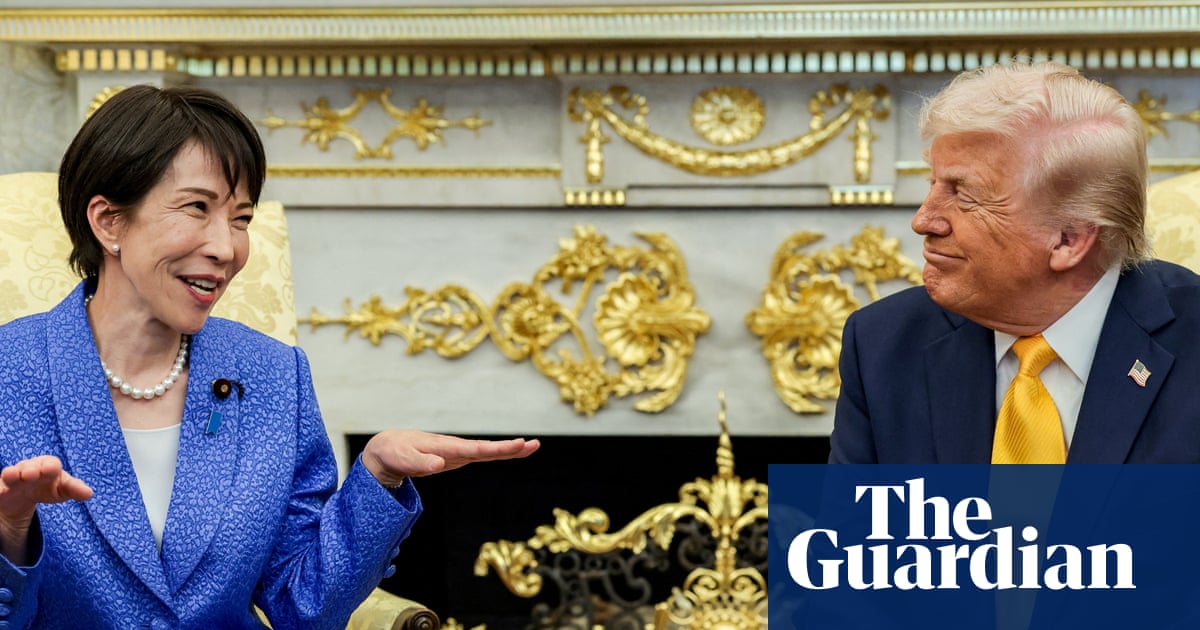
Cover image from theguardian.com, which was analyzed for this article
The US and Japan took rare coordinated action to support the yen after sharp weakening. The move followed confirmation of intervention by Trump administration and Japanese officials.
PoliticalOS
Monday, August 3, 2026 — Business
The coordinated intervention delivered short-term relief to the yen but left its longer-term trajectory dependent on interest-rate differentials and Japanese fiscal choices that remain unresolved. Officials have signaled further action is possible, yet analysts see limited scope for reversal without deeper policy shifts.
What outlets missed
Most coverage omitted discussion of whether US participation involved selling euros rather than dollars, a departure from prior interventions that could affect market perceptions of commitment. Few outlets examined the explicit link between the intervention and Japan’s fiscal stimulus plans under Prime Minister Takaichi, which several analysts cited as a continuing headwind. The potential for the action to delay rather than accelerate Bank of Japan rate hikes received limited attention despite being flagged by Oxford Economics. No outlet quantified the cumulative scale of recent interventions or compared it directly to the 2022 and 2024 episodes.
Currency markets absorbed a rare coordinated intervention last week as the United States and Japan bought yen to arrest a slide that had carried the currency to its weakest level in four decades. The move lifted the yen from near 164 to the dollar to levels around 155-157, though gains later moderated. Officials in both capitals signaled readiness to repeat the action if volatility returns.
The yen’s decline stemmed from a wide gap in policy rates. Japan’s benchmark stood at 1 percent after the June increase, while the Federal Reserve’s range sat at 3.50-3.75 percent. That differential sustained a carry trade in which investors borrowed in yen to purchase higher-yielding dollar assets. Japanese authorities also cited concerns over excessive moves that could raise global borrowing costs, including for the US Treasury.
Japan’s Ministry of Finance stated that the joint operation countered disorderly movements. Treasury Secretary Scott Bessent posted that Washington would not hesitate to participate again and expressed support for steps to address the yen’s undervaluation. President Trump told reporters the United States was responding to a Japanese request for assistance. Bank of Japan data indicated Tokyo sold roughly $36-59 billion in dollars to purchase yen during the New York session; the US amount remains unconfirmed, though a Reuters photograph showed Bessent’s notepad listing a possible $5-10 billion purchase.
This marks the first such bilateral action since March 2011, when the two governments intervened after the Tohoku earthquake and tsunami. Analysts at UBS and HSBC noted that the yen’s structural challenges—negative real rates, gradual Bank of Japan normalization, and fiscal expansion plans—limit prospects for a sustained rally. Oxford Economics added that the intervention reduces immediate depreciation risk but does not alter the central bank’s likely December timing for further rate decisions.
Market reaction stayed measured. The dollar traded near 157.70 yen after initial gains faded. Some reports indicated the US may have sold euros rather than dollars to fund its portion, a detail that drew analyst comment on whether the mechanics could affect perceived commitment. Officials have not confirmed the currency composition.
More in Business & Economy

Major Banks Deliver Mixed Q3 Results on Trading Beats
JPMorgan, Goldman Sachs, Citigroup, and Wells Fargo reported Q3 figures, with revenue beats in trading but some estimate misses. CNBC provided live updates on the results and market reactions.

Oil Falls on Russian Diesel Outlook Despite Geopolitical Risks
Dow futures rose while Nasdaq faced pressure from tech weakness and elevated oil after geopolitical spikes. CNBC tracked premarket moves tied to earnings and Fed speeches.

Hall and Woodford Win Economics Nobel for Stabilization Models
American economists Robert E. Hall and Michael Woodford won the Nobel memorial prize for their research on managing economies through booms and busts, informing central bank policies on inflation and unemployment.

Skydance Closes Paramount-Warner Bros. Discovery Deal
The long-delayed media mega-merger cleared hurdles and began operations under Skydance, consolidating Hollywood power. Center and center-left outlets track the regulatory and business milestones.
The Compass
You just read five takes on one story.
What's your take? Find your political shape in a few minutes.
Take the test