
US, Japan intervene jointly to lift yen from 40-year low
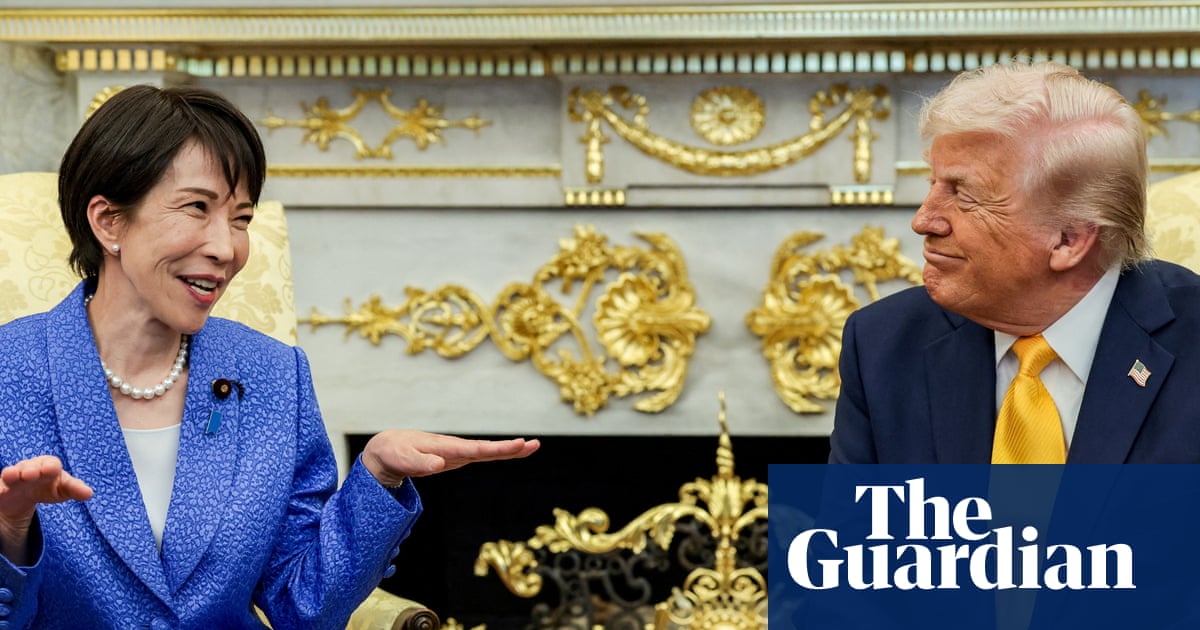
Cover image from theguardian.com, which was analyzed for this article
The US and Japan took rare coordinated action to support the yen after sharp weakening. The move followed confirmation of intervention by Trump administration and Japanese officials.
PoliticalOS
Monday, August 3, 2026 — Business
The coordinated intervention delivered short-term relief to the yen but left its longer-term trajectory dependent on interest-rate differentials and Japanese fiscal choices that remain unresolved. Officials have signaled further action is possible, yet analysts see limited scope for reversal without deeper policy shifts.
What outlets missed
Most coverage omitted discussion of whether US participation involved selling euros rather than dollars, a departure from prior interventions that could affect market perceptions of commitment. Few outlets examined the explicit link between the intervention and Japan’s fiscal stimulus plans under Prime Minister Takaichi, which several analysts cited as a continuing headwind. The potential for the action to delay rather than accelerate Bank of Japan rate hikes received limited attention despite being flagged by Oxford Economics. No outlet quantified the cumulative scale of recent interventions or compared it directly to the 2022 and 2024 episodes.
US and Japan Intervene Jointly to Support Yen After Sharp Decline
The United States and Japan carried out a coordinated currency intervention last week to arrest a steep decline in the yen, marking the first such joint action since 2011. The move helped lift the currency to its strongest level in three months, reaching around 155 to 157 yen per dollar on Monday after it had fallen to nearly 164, a four-decade low.
Japanese officials confirmed that Tokyo sold dollars to purchase yen, with Bank of Japan data pointing to roughly 36 to 59 billion dollars spent in recent operations, including activity in New York markets. US Treasury Secretary Scott Bessent signaled Washington's readiness to act again, noting in a cabinet meeting that purchases of 5 to 10 billion dollars worth of yen were under consideration. Both governments stated they would not hesitate to repeat the effort if needed.
The yen's weakness stems primarily from Japan's persistently low interest rates compared with those in the United States and other major economies. This gap encouraged carry trades in which investors borrowed cheaply in yen to invest in higher-yielding assets elsewhere. Recent political developments in Japan added pressure, as Prime Minister Sanae Takaichi has advocated tax and spending measures to stimulate growth while voicing concerns about higher rates from the Bank of Japan. Those policies have also contributed to rising Japanese government borrowing costs, raising worries about spillover effects on global markets, including potential increases in US debt servicing expenses.
President Donald Trump described the intervention as a response to Japan's request for assistance, emphasizing longstanding alliance ties. The action aligns with broader efforts to maintain stability amid volatile currency flows that can amplify economic shocks. Historical precedent shows coordinated interventions remain infrequent, with the last instance occurring after the 2011 earthquake and tsunami in Japan to manage post-disaster volatility.
Market analysts offered cautious assessments of the intervention's durability. Strategists at UBS noted that Japan's policy mix, including gradual Bank of Japan normalization and still-negative real rates, makes sustained yen appreciation unlikely without deeper structural shifts. HSBC echoed that faster rate increases from the Japanese central bank would be necessary for lasting strength, as repeated interventions alone may only deter speculators temporarily through a sense of vigilance rather than fundamental change. ING observed that the dollar showed limited reaction, partly because questions persist over Federal Reserve policy moves.
The episode underscores the interconnected nature of advanced economies, where currency movements in one major market can influence borrowing costs and investment flows worldwide. Officials in both countries framed the step as a low-cost measure with potential benefits for broader financial stability, though its effectiveness will depend on follow-through and evolving monetary conditions in Tokyo.
You just read Liberal's take. Want to read what actually happened?
More in Business & Economy

Business Activity Holds Up as Selling Prices Rise Fastest Since 2022
S&P Global PMI shows robust activity but selling prices rise at fastest pace since 2022 amid energy and supply chain costs. Halloween candy prices jump 7.7%.

Stock Futures Climb on Anthropic IPO Filing and AI Financing
Major indices rose on enthusiasm from Anthropic's IPO filing and broader AI infrastructure announcements including Meta's massive fundraising plans. Investors are betting heavily on continued AI growth despite valuation concerns.

Tariffs and AI Transition Fuel Growth and Job Worries
Trump's tariff rhetoric and AI-driven restructuring raised concerns about growth, inflation, and job impacts as markets reacted to geopolitical and tech shifts.

AI Companies Weigh Early IPOs as Risks Mount
Nasdaq fell sharply amid concerns over AI spending sustainability and data center costs; Nvidia, Meta, and others were hit as Meta and Tesla reported earnings.
The Compass
You just read five takes on one story.
What's your take? Find your political shape in a few minutes.
Take the test