
US, Japan intervene jointly to lift yen from 40-year low
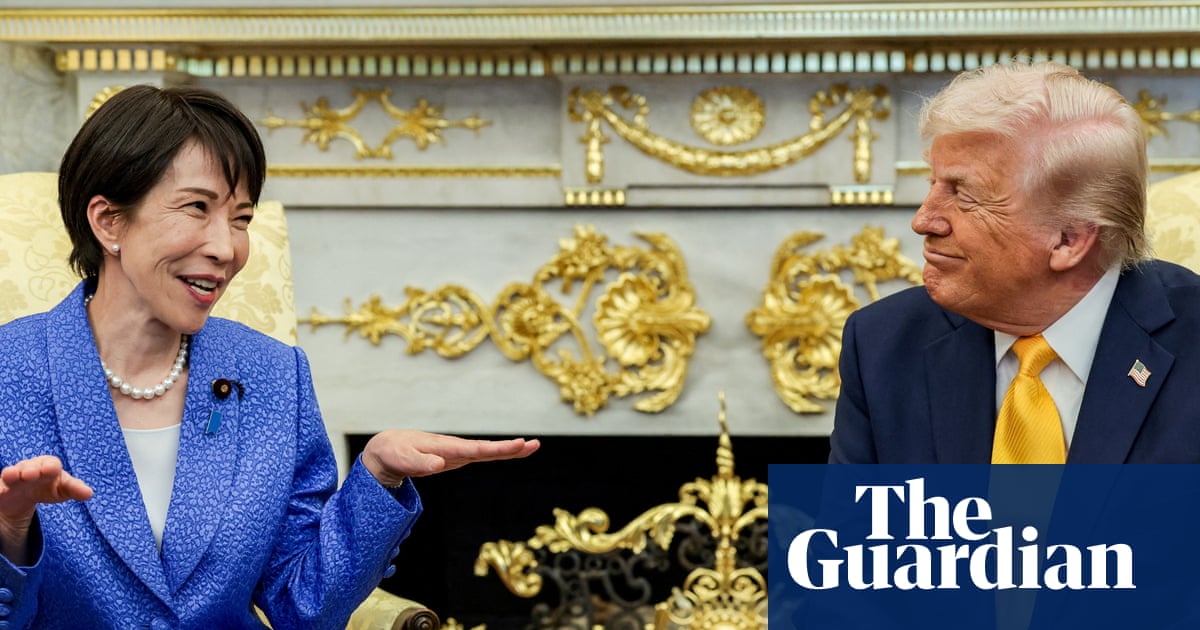
Cover image from theguardian.com, which was analyzed for this article
The US and Japan took rare coordinated action to support the yen after sharp weakening. The move followed confirmation of intervention by Trump administration and Japanese officials.
PoliticalOS
Monday, August 3, 2026 — Business
The coordinated intervention delivered short-term relief to the yen but left its longer-term trajectory dependent on interest-rate differentials and Japanese fiscal choices that remain unresolved. Officials have signaled further action is possible, yet analysts see limited scope for reversal without deeper policy shifts.
What outlets missed
Most coverage omitted discussion of whether US participation involved selling euros rather than dollars, a departure from prior interventions that could affect market perceptions of commitment. Few outlets examined the explicit link between the intervention and Japan’s fiscal stimulus plans under Prime Minister Takaichi, which several analysts cited as a continuing headwind. The potential for the action to delay rather than accelerate Bank of Japan rate hikes received limited attention despite being flagged by Oxford Economics. No outlet quantified the cumulative scale of recent interventions or compared it directly to the 2022 and 2024 episodes.
US and Japan Launch Coordinated Bid to Halt Yen Slide in First Joint Move Since 2011
Japan and the United States carried out a rare joint intervention in currency markets last week to support the yen after it plunged to a 40-year low against the dollar. The move, confirmed by both governments on Monday, marked the first such coordinated action since 2011 and came as the Japanese currency weakened sharply amid divergent interest rate policies and investor concerns over Tokyo's fiscal plans.
Tokyo's finance ministry said the two countries bought yen in a bid to curb volatility, with data from the Bank of Japan indicating Japan may have sold as much as 59 billion dollars in New York markets on Thursday. US Treasury Secretary Scott Bessent did not disclose Washington's exact outlay, though a photograph of his notebook during a cabinet meeting showed plans to purchase between 5 and 10 billion dollars worth of yen. The yen subsequently climbed to its strongest level in three months, reaching around 155 to the dollar on Monday.
The intervention reflects mounting pressure on both governments to contain fallout from a persistently weak yen. Lower borrowing costs in Japan compared with the United States have encouraged carry trades, in which investors borrow in yen to chase higher yields elsewhere. Japanese Prime Minister Sanae Takaichi's emphasis on tax cuts and spending measures has added to investor unease, alongside her public criticism of Bank of Japan rate hikes. Bessent reiterated Washington's call for Tokyo to tighten monetary policy further while pledging to join additional interventions if needed.
President Donald Trump framed the US role in personal terms, telling reporters that Japan sought help and that Washington was prepared to provide it. The statement drew attention to the administration's broader approach to trade and currency matters, where past rhetoric on bilateral imbalances has sometimes clashed with selective support for key allies. Analysts noted that sustained yen strength would require more aggressive Bank of Japan rate increases than currently signaled, with UBS strategists warning that intervention alone offers only temporary deterrence against speculative selling.
The episode also highlighted potential ripple effects on US borrowing costs and global financial stability. A disorderly yen sell-off risks amplifying volatility in bond markets and complicating Washington's own financing needs. While markets reacted positively in the short term, with European shares rising and oil prices easing on separate geopolitical signals, currency traders remain focused on whether the joint action signals a lasting shift or merely a pause in downward pressure on the yen.
Further interventions are expected on an intermittent basis, according to Oxford Economics analyst Shigeto Nagai, who described the US participation as aligned with American interests at relatively low cost. The episode underscores how currency policy continues to intersect with domestic political priorities in both capitals, even as underlying interest rate gaps persist.
You just read Progressive's take. Want to read what actually happened?
More in Business & Economy

Business Activity Holds Up as Selling Prices Rise Fastest Since 2022
S&P Global PMI shows robust activity but selling prices rise at fastest pace since 2022 amid energy and supply chain costs. Halloween candy prices jump 7.7%.

Stock Futures Climb on Anthropic IPO Filing and AI Financing
Major indices rose on enthusiasm from Anthropic's IPO filing and broader AI infrastructure announcements including Meta's massive fundraising plans. Investors are betting heavily on continued AI growth despite valuation concerns.

Tariffs and AI Transition Fuel Growth and Job Worries
Trump's tariff rhetoric and AI-driven restructuring raised concerns about growth, inflation, and job impacts as markets reacted to geopolitical and tech shifts.

AI Companies Weigh Early IPOs as Risks Mount
Nasdaq fell sharply amid concerns over AI spending sustainability and data center costs; Nvidia, Meta, and others were hit as Meta and Tesla reported earnings.
The Compass
You just read five takes on one story.
What's your take? Find your political shape in a few minutes.
Take the test