
Young Men Drive Religious Uptick, Closing Gender Gap Amid U.S. Secular Decline
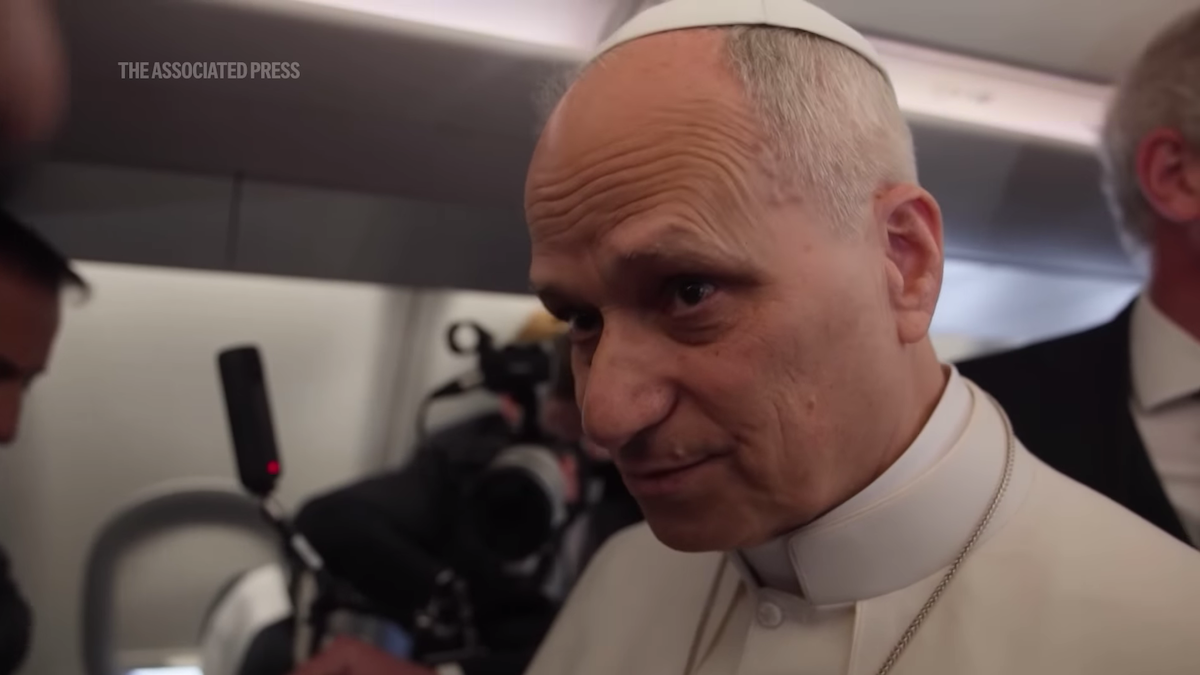
Cover image from thefederalist.com, which was analyzed for this article
Polls indicate a sharp rise in young men viewing religion as very important, stirring a Gen Z resurgence. Coverage notes shifting cultural trends amid broader religious debates. Conservatives and centrists highlight the phenomenon's potential impact.
PoliticalOS
Thursday, April 16, 2026 — Politics
A measurable increase has occurred: 42 percent of young men now say religion is very important to them, up from 28 percent, closing a longstanding gender gap for the first time in decades. This shift sits inside a larger story of American secularization, with Gen Z retaining the highest unaffiliation rates on record and national religiosity near all-time lows. The single most important reality is that any resurgence remains narrowly concentrated, politically inflected and unproven at scale; whether it produces lasting institutional change or simply reflects polarization is the open question.
What outlets missed
Most outlets underplayed or omitted the precise partisan driver documented in AP reporting on the same Gallup data: the rise is concentrated among young Republican men while young Democratic men continued declining, lending a clear political tint to what some frame as purely spiritual. Coverage also gave short shrift to the fact that young men's 42 percent "very important" figure merely returns to early-2000s levels rather than setting new highs, and that national religiosity has stayed flat at historic lows. The Federalist piece barely engaged the poll numbers at all, instead folding the trend into a larger opinion argument about Catholic-Protestant unity that introduced separate unverified claims about a Trump-Pope Leo conflict and record conversions not corroborated elsewhere. Few stories fully reconciled the tension between visible anecdotal interest in specific parishes and PRRI's data showing 38 percent of Gen Z men never attending services.
Young American Men Rediscover Importance of Religion
A Gallup poll released this week documents a striking increase in the share of young men who place religion at the center of their lives, offering fresh evidence that traditional sources of meaning are regaining ground among a generation raised in an era of secular assumptions. The survey found that 42 percent of men aged 18 to 29 now say religion is “very important” to them, a rise of 14 percentage points from 28 percent in a comparable poll taken in 2023. That jump has closed a gender gap long taken for granted in social science. Young women in the same cohort register only 30 percent, making them the least religious female age group by a wide margin.
The data reverse decades of observed patterns. Among older Americans, women consistently report higher levels of religious commitment than men. Gallup noted that young men’s responses now resemble those of men aged 30 to 49 and trail only slightly behind those of seniors. Young women, by contrast, trail middle-aged women by 18 points and are less than half as likely as women over 65 to view religion as very important. The poll also recorded an increase in reported religious attendance among men under 30, aligning with anecdotal accounts of fuller pews in Catholic parishes and conservative evangelical congregations.
These numbers arrive against a backdrop of continued overall decline. Twenty-nine percent of Americans identify as religiously unaffiliated, a figure near historic highs. Tens of thousands of churches are forecast to close in the next decade. Other recent surveys show only modest gains in Gen Z churchgoing, nothing on the scale of the post-World War II religious boom or earlier awakenings. Yet the specificity of the male surge has drawn attention across outlets ranging from the New York Times to the Wall Street Journal, which have chronicled packed services, viral online conversions, and the rise of what some call “Theobro” culture, in which theological seriousness meets an unapologetic interest in discipline, fitness, and intellectual rigor.
Commentators have described Christianity as the emerging counterculture for a generation that has watched institutional promises of autonomy and self-expression deliver loneliness and aimlessness instead. Social media platforms such as TikTok have amplified faith-based content aimed at young men, offering ritual, hierarchy, and moral clarity in formats that feel immediate rather than institutional. Pastors report that male congregants are asking harder questions about virtue, responsibility, and what constitutes a worthy life. This development carries implications for family formation, civic participation, and long-term social stability, areas where religious practice has historically correlated with measurable gains in mental health, charitable activity, and marital persistence.
The trend also illuminates broader realignments. Catholics and Protestants, who together make up the bulk of practicing Christians in the United States, have increasingly set aside historic theological divisions when confronting what both traditions view as a common secular project. That project includes sustained attempts to confine religious expression to private life while advancing moral norms that clash with centuries of Christian teaching on sexuality, family, and human nature. When political leaders on the left speak openly of reshaping society along post-Christian lines, the effect has been to concentrate attention on shared stakes rather than on Reformation-era disputes.
Recent tensions, including President Trump’s sharp criticism of Pope Leo over the pontiff’s opposition to certain administration policies on Iran and immigration, tested that alignment. Many Catholics saw the remarks as disrespectful to the spiritual father of their communion. Protestants, who do not accord the papacy the same authority, nevertheless recognized the deeper cultural contest at work. Pope Leo’s position echoed earlier papal critiques of military action, such as John Paul II’s warnings before the Iraq War that armed conflict always represents a defeat for humanity. The episode produced sharp online exchanges yet did not fracture the practical coalition that has formed around defense of religious liberty and public witness. In an environment where elite institutions treat historic Christian piety as an obstacle rather than a foundation, the instinct for mutual support appears durable.
This is not to suggest a sudden nationwide revival. The Gallup figures represent a minority response even among young men, and the larger culture continues to reward skepticism toward organized faith. What stands out is the direction of change among precisely the demographic once assumed to be permanently secularized. For years social scientists treated the religiosity gap between men and women as nearly immutable. Its disappearance in the youngest cohort suggests deeper currents are moving.
Observers inclined to examine culture through the lens of incentives and trade-offs have long argued that societies cannot abandon transcendent moral frameworks without incurring measurable costs in social trust, self-restraint, and the formation of competent adults. When young men, who face distinct challenges in education, employment, and family formation, begin seeking out institutions that emphasize duty, courage, and ordered liberty, the pattern merits attention beyond church circles. It may reflect an intuitive judgment that the secular substitutes on offer have not delivered the flourishing they promised.
Churches that recognize the shift are adjusting their approach, placing renewed emphasis on serious teaching, male mentorship, and forms of fellowship that treat men as capable of nobility rather than as problems to be managed. Whether the increase sustains itself will depend on the depth of engagement these institutions provide and on larger cultural conditions that either reinforce or undermine the choice for faith. For now the data supply one clear signal: among young American men, the appetite for religion is growing at a time when many other inherited sources of meaning have lost credibility. That fact alone makes the Gallup findings one of the more consequential cultural data points of the current decade.
You just read Conservative's take. Want to read what actually happened?
More in Politics

Federal Agents Search Omar Home in Ongoing Immigration Probe
Homeland Security agents searched the Minnesota Democrat's DC residence in a criminal probe, prompting accusations of political intimidation from Omar and Democratic leaders. Coverage spans left-leaning outlets like NPR, BBC, and The Guardian alongside right-leaning criticism from The Federalist and Daily Wire.

Trump Diesel Import Plan Draws Pushback Over Russia Ties
The weekend agreement drew bipartisan congressional pushback and criticism from Ukraine's Zelenskyy, with analysts downplaying US fuel price impacts. Right-leaning outlets like National Review, Dispatch, and Washington Examiner questioned its legality and effectiveness.

Independents Test Voter Appetite for Middle Ground in 2026 Midterms
Nearly 200 independents are running in competitive races as voters weigh ballot measures on housing costs in states like Massachusetts. Left-leaning coverage from NYT, NPR, and Guardian highlights turnout and key races while right outlets focus on GOP strategy.
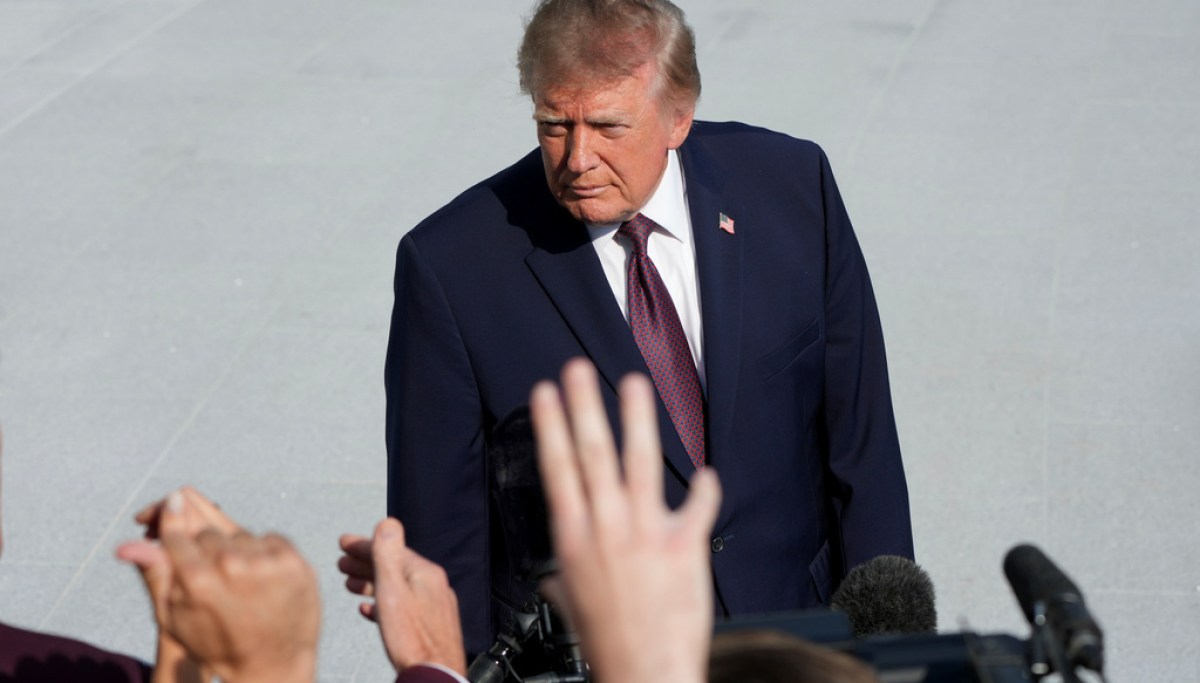
Trump Rallies in Alaska, Ohio to Bolster GOP Senate Candidates
The president rallied in Wasilla for Sen. Dan Sullivan and faced empty seats at an Ohio event amid midterm concerns. Outlets across the spectrum covered the trips as signals of GOP vulnerability weeks before Election Day.
The Compass
You just read five takes on one story.
What's your take? Find your political shape in a few minutes.
Take the test