
Young Men Drive Religious Uptick, Closing Gender Gap Amid U.S. Secular Decline

Cover image from thefederalist.com, which was analyzed for this article
Polls indicate a sharp rise in young men viewing religion as very important, stirring a Gen Z resurgence. Coverage notes shifting cultural trends amid broader religious debates. Conservatives and centrists highlight the phenomenon's potential impact.
PoliticalOS
Thursday, April 16, 2026 — Politics
A measurable increase has occurred: 42 percent of young men now say religion is very important to them, up from 28 percent, closing a longstanding gender gap for the first time in decades. This shift sits inside a larger story of American secularization, with Gen Z retaining the highest unaffiliation rates on record and national religiosity near all-time lows. The single most important reality is that any resurgence remains narrowly concentrated, politically inflected and unproven at scale; whether it produces lasting institutional change or simply reflects polarization is the open question.
What outlets missed
Most outlets underplayed or omitted the precise partisan driver documented in AP reporting on the same Gallup data: the rise is concentrated among young Republican men while young Democratic men continued declining, lending a clear political tint to what some frame as purely spiritual. Coverage also gave short shrift to the fact that young men's 42 percent "very important" figure merely returns to early-2000s levels rather than setting new highs, and that national religiosity has stayed flat at historic lows. The Federalist piece barely engaged the poll numbers at all, instead folding the trend into a larger opinion argument about Catholic-Protestant unity that introduced separate unverified claims about a Trump-Pope Leo conflict and record conversions not corroborated elsewhere. Few stories fully reconciled the tension between visible anecdotal interest in specific parishes and PRRI's data showing 38 percent of Gen Z men never attending services.
Young Men Drive Surprising Uptick in Religiosity Even as Overall American Faith Declines
A new Gallup poll has documented a notable shift in American religious life with 42 percent of men under 30 now saying religion is very important to them an increase from 28 percent in 2023. The finding reverses one of the most consistent patterns in social science in which women have long reported higher levels of religious commitment than men. Among young women the figure stands at roughly 30 percent making them the least religious cohort of women by a wide margin.
The data released this week arrives at a complicated moment for American religion. Record numbers of people 29 percent identify as religiously unaffiliated the highest share in modern history. Tens of thousands of churches are projected to close in coming years. Yet anecdotal reports have multiplied of packed pews in certain Catholic and conservative evangelical congregations of viral conversion stories on social media and of a rising cohort of young men drawn to what some describe as theobro culture. Outlets across the spectrum from the New York Times to the Wall Street Journal have chronicled young men filling services in ways that stand out against broader decline.
Gallup senior scientist Frank Newport who coauthored the report noted the disappearance of the longstanding gender gap among people 18 to 29 as one of the more striking elements. For older age groups women continue to outpace men in professed religiosity. Among young men however the share calling religion very important now aligns closely with men in their thirties and forties and trails only slightly behind senior men. Young women by contrast trail the next least religious female group by 18 percentage points.
The trend has prompted varied interpretations. Some observers on the right frame it as a spiritual revival with Christianity positioned as a counterculture for a generation raised amid digital saturation and cultural upheaval. Reports of Gen Z and even younger Gen Alpha men turning toward faith through TikTok trends and in person services have fueled narratives of a masculine return to meaning and structure. Others caution against overstating the shift. An examination of recent surveys shows modest increases in church attendance among young men but nothing on the scale of historic religious awakenings such as the Third Great Awakening or the post World War II boom.
The political dimensions appear equally layered. In the current Trump era many practicing Christians across Catholic and Protestant lines have subordinated longstanding theological differences to confront what they view as a common secular progressive challenge. Democrats push for forms of public morality that practicing believers often experience as hostile to traditional faith. This shared sense of opposition has helped forge a coalition that contributed to two Trump victories. Yet fault lines remain visible. Recent tensions sparked by presidential criticism of Pope Leo over Iran policy and immigration revealed how quickly Catholic instincts of institutional loyalty can clash with Protestant priorities. Catholics defended the pope as spiritual father while some Protestants saw the episode as evidence that institutional hierarchies can impede clear eyed political realism. The episode served as a reminder that the alliance remains pragmatic rather than seamless.
What explains the rise among young men remains a matter of discussion. Some point to a search for order and community in an age of economic uncertainty and social fragmentation. Others highlight the appeal of ancient traditions offering clear teachings on virtue identity and purpose at a time when secular alternatives can feel thin or contradictory. The sources of young women's relative disaffiliation are less clear though broader cultural associations between institutional religion and restrictive gender norms may play a role.
Church leaders on both the Catholic and evangelical sides have taken notice. Some report increased interest from men in their twenties seeking not only worship but formation in moral reasoning and male friendship. Whether this represents a lasting resurgence or a temporary reaction will depend on whether religious institutions can translate renewed male interest into sustained participation and whether they can do so without further alienating young women.
For now the Gallup numbers add texture to a complicated picture. American religion is not experiencing a broad renaissance. Unaffiliation remains at historic highs and institutional erosion continues. Yet within that decline particular subgroups are moving in the opposite direction. Young men in particular appear to be rediscovering value in faith at rates that surprise longtime observers. The ultimate impact on culture wars political coalitions and the internal life of American congregations will unfold over the next decade. What seems clear already is that the old assumption of steadily advancing secularization no longer captures the full complexity of generational change.
You just read Liberal's take. Want to read what actually happened?
More in Politics
Trump at 32% Approval as Gas Prices Test GOP Midterm Hopes
NYT/Siena polling showed Trump's approval at historic lows around 32 percent with Democrats leading by double digits in key districts. Early voting has surged in battleground states.

Record Early Voting Hits Battlegrounds, Shifting Partisan Shares
AP analysis found hundreds of thousands more early ballots than in 2022 in states including Texas, Ohio, Kansas, Maine, and North Carolina, shifting partisan dynamics.
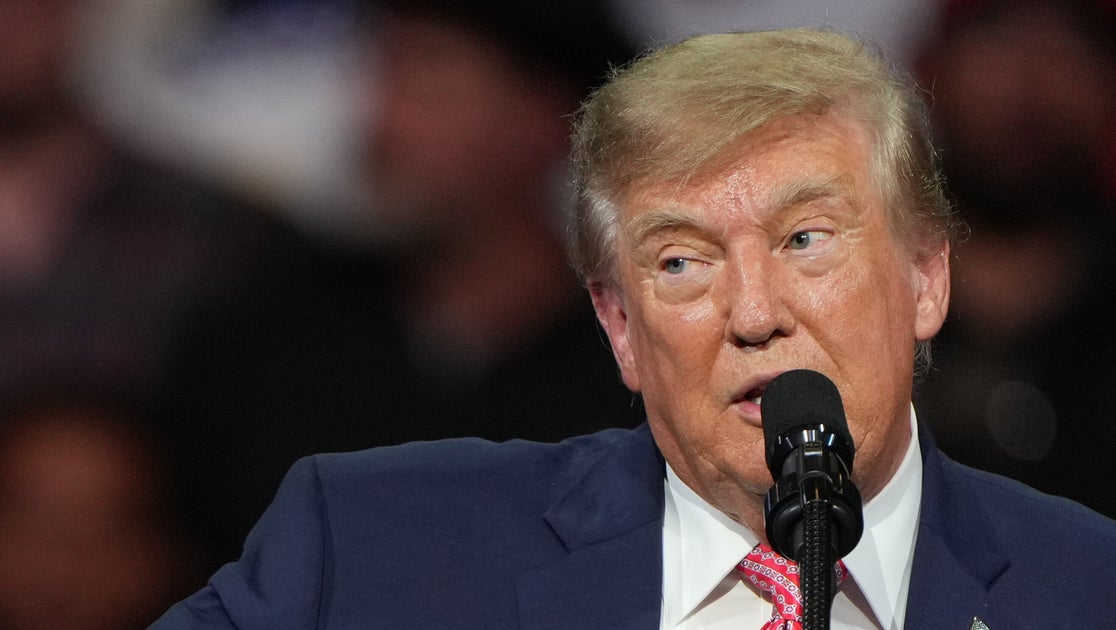
Trump Backs Marshall in Kansas Senate Race Tightened by Farm Costs
President Trump rallied in deep-red Kansas for GOP Sen. Roger Marshall in a competitive race, announcing an $8 billion farm fuel relief program amid high diesel prices. Democrats see an opening to end 94 years of GOP dominance in the state.

Trump Pauses Russia Sanctions Amid Ukraine Tensions and Missile Strikes
Trump waived sanctions on Russia and floated trilateral talks with Putin and Xi as part of ending the Ukraine war, while tensions rose with Zelenskyy over Starlink and arms. Bipartisan senators engaged Zelenskyy amid the shifts.
The Compass
You just read five takes on one story.
What's your take? Find your political shape in a few minutes.
Take the test