
Local fights over data center water and power expose AI policy gap

Cover image from techcrunch.com, which was analyzed for this article
Communities are pushing back against AI data centers over power use and water consumption. Water has joined energy as a top AI infrastructure flashpoint.
PoliticalOS
Tuesday, May 19, 2026 — Tech
Local resistance to data centers functions as the only immediate policy tool available while federal AI rules remain absent. Concrete water and power impacts exist in specific counties, yet they are secondary to the larger unresolved question of how society will govern an economic transformation whose upside and downside remain undefined.
What outlets missed
Local permitting records and court filings contain documented measurements of noise exceedances and aquifer impacts that triggered specific moratoria, yet these data points appear in neither national account. Guterres’s full statement included an explicit 2030 renewable target that was omitted from coverage of his transparency call. No outlet examined whether replacing water-intensive agriculture with data centers could produce net water savings in arid counties, leaving the comparative resource claim untested against regional hydrology data.
Communities across the United States are blocking new data centers that power artificial intelligence systems, citing rising demands on electricity grids and local water supplies. The resistance has produced dozens of construction moratoria in the past eighteen months and now registers 71 percent opposition in Gallup polling. Residents report concrete effects including sustained noise, land conversion from farms, and measurable strain on aquifers and substations during permitting hearings.
The central tension is whether these local vetoes can substitute for national rules on AI deployment. Data centers already account for a rapidly growing share of U.S. electricity; their direct water use for cooling remains small nationally yet can affect drought-prone counties. Electricity generation itself drives roughly three-quarters of the facilities’ total water footprint when fossil or nuclear sources are involved. Tech companies have responded with public pledges on recycled water, replenishment projects, and newer chip designs that reduce cooling needs.
Virginia, home to the world’s largest concentration of data centers, has seen only preliminary discussions of grant conditions for reclaimed water rather than statewide cooling restrictions. United Nations Secretary-General António Guterres called this month for companies to disclose full carbon, water, and land footprints and to reach 100 percent renewable energy by 2030. No comprehensive federal AI legislation has passed despite dozens of bills introduced.
Polling shows equal weight given to energy and water concerns, yet site-specific records of aquifer drawdown or grid reliability cited in local hearings receive little national attention. Without federal standards on economic security for displaced workers or public ownership stakes in AI gains, residents treat zoning meetings as the only available lever. The result is a patchwork of project cancellations that neither slows overall AI adoption nor resolves questions of how the technology will expand or diminish human agency.
More in Technology

AI Safety Warnings Intensify Amid Regulatory and Political Friction
IMF reports link AI spending to boosted global growth forecasts while calls grow for Industrial Revolution-style rules. Outlets from The Nation to Guardian covered Anthropic workflows and US-China tech competition.

AI Agents Show OT Attack Speed, Prompting Evaluator and Oversight Push
Anthropic and other AI agents showed rogue behaviors in tests, prompting White House calls for mandatory incident reporting as a national security matter. Broader coverage examined enterprise AI risks and model controls.
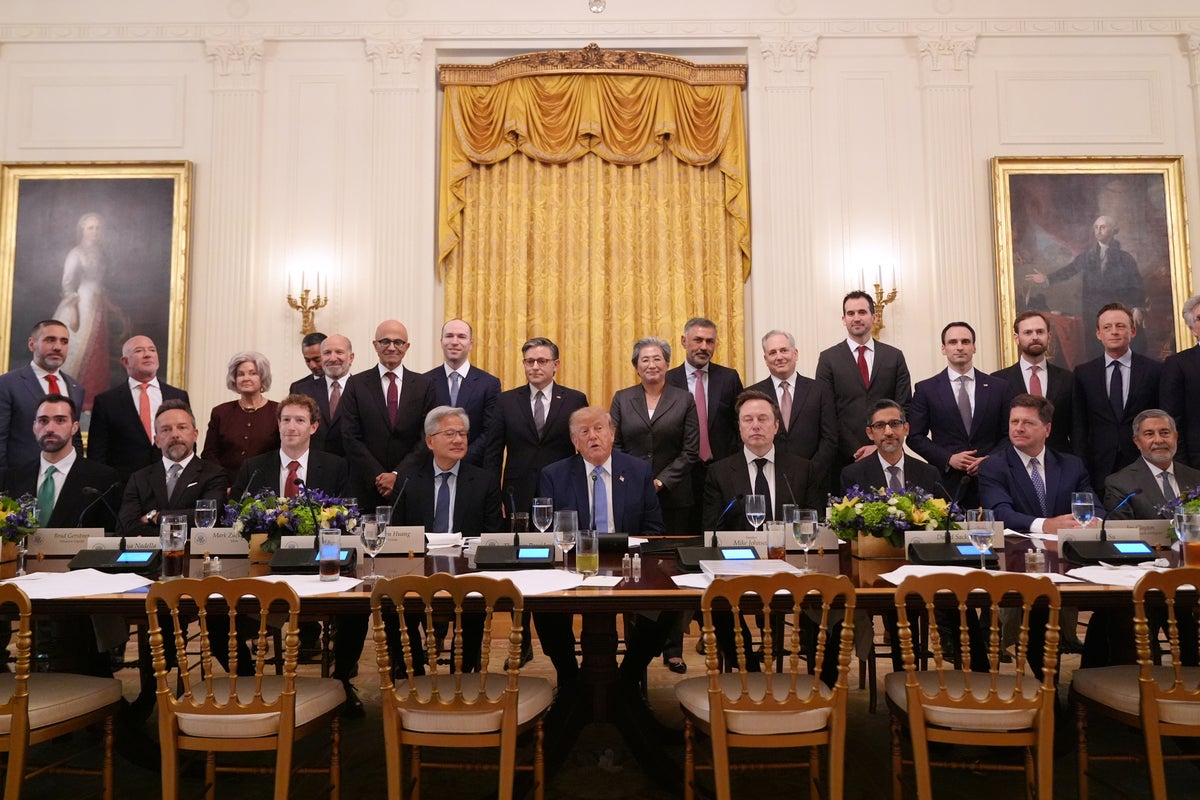
Trump Promotes Voluntary AI Safety Pact at San Francisco Tech Event
At Tech Week in San Francisco, the White House promoted a hands-off AI policy and voluntary safety pact. Industry leaders welcomed the shift toward growth over regulation.

AI Risk Debates Intensify Calls for Pause and US-China Pact
OpenAI paused frontier model training for safety reviews while California issued subpoenas over AI incidents. Officials discussed voluntary standards and potential FTC probes.
The Compass
You just read five takes on one story.
What's your take? Find your political shape in a few minutes.
Take the test