
Trump Switched Planes Secretly Over Iran Threat, Leaving Cabinet on Decoy
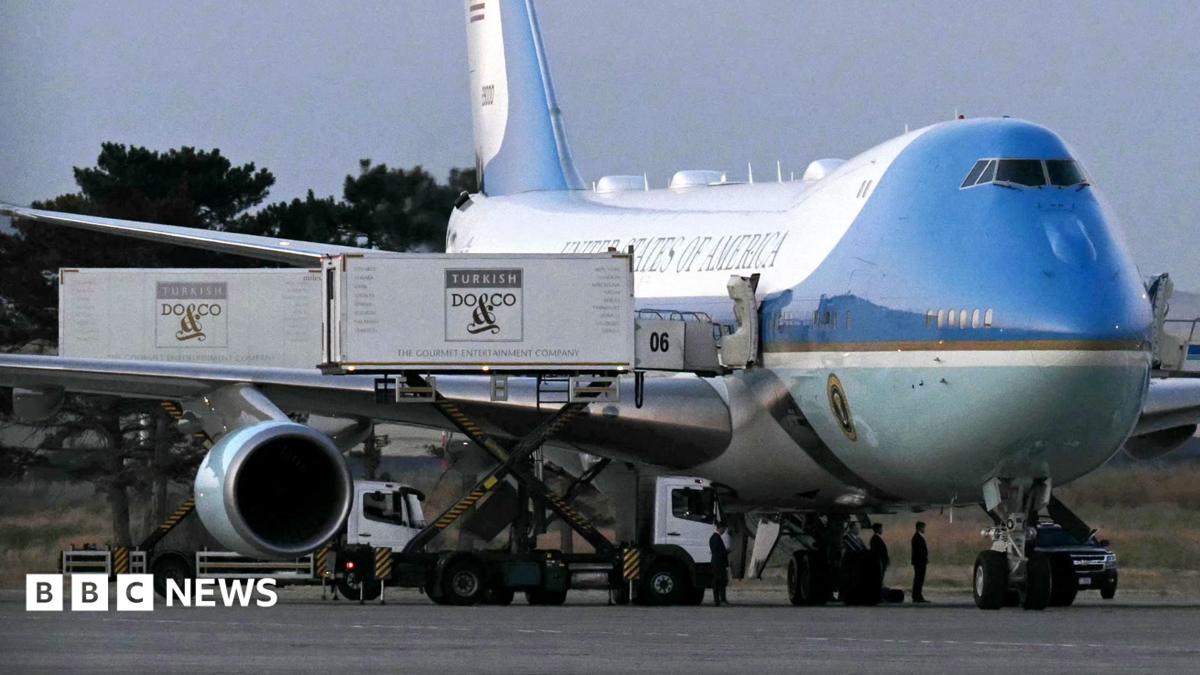
Cover image from bbc.co.uk, which was analyzed for this article
Trump revealed a secret decoy plane switch due to an Iranian threat on Air Force One, with new leaks raising questions about the incident's handling. Coverage includes cabinet members remaining on the decoy flight.
PoliticalOS
Thursday, August 13, 2026 — Politics
The central unresolved question is how much weight to give the disputed Israeli-provided threat versus standard Secret Service caution when deciding who travels on which aircraft. Readers should note that the decoy carried officials in the line of succession and that advance secrecy is routine for such movements, even when it leaves reporters uninformed.
What outlets missed
Most coverage omitted the verified 38-day duration and subsequent ceasefire of the related Operation Epic Fury against Iran, leaving readers without context on how the threat episode fit into a short, concluded campaign. Few outlets detailed the full history of Iranian threats dating to the 2020 Soleimani strike and the January 2026 killing of Ayatollah Khamenei, which Secret Service Director Sean Curran linked to the current elevated threat level. The BBC alone noted the line-of-succession rationale for keeping Rubio and Bessent on the decoy, while others downplayed how standard limited-disclosure protocols for high-risk movements constrain advance notice to journalists.
Trump's Plane Swap Left Journalists as Potential Decoys While Shielding Loyal Aides
New details have emerged about President Donald Trump's clandestine exit from a NATO summit in Turkey last month, revealing that several of his closest White House aides boarded the secure alternative aircraft while journalists and some senior cabinet officials remained on what became a decoy plane. The operation, triggered by an intelligence warning about a potential Iranian threat, involved Trump slipping away from Air Force One at Ankara airport inside a catering truck before takeoff on July 8.
The Washington Post reported that the CIA assessed the threat with low confidence after receiving it from Israeli sources, describing the information as less than compelling. Intelligence officials conveyed their skepticism to Trump administration personnel handling the departure, yet the elaborate deception proceeded anyway. Trump transferred to a smaller Air Force C-32A jet for the journey home, while the original plane retained the Air Force One call sign and carried members of the press and officials unaware of the switch.
CBS News confirmed that Secretary of State Marco Rubio and Treasury Secretary Scott Bessent stayed on the decoy aircraft to preserve the line of succession. Other figures who remained included White House Deputy Chief of Staff Stephen Miller and communications director Steven Cheung. In contrast, Trump ensured several personally close aides traveled on the protected plane. None of the journalists on board were notified of the plan, leaving them effectively exposed if the reported threat had materialized.
The episode has drawn scrutiny for the way it treated the press corps. Margaret Sullivan, author of the Substack newsletter American Crisis, noted that the decision to withhold information from reporters reflected a pattern of treating the media as expendable rather than as essential participants in covering the presidency. The original plane continued its scheduled route, landing at Joint Base Andrews after a refueling stop, with photographers later capturing Trump disembarking from it at RAF Mildenhall in England to maintain the appearance of normal operations.
The Secret Service cited prior security incidents involving Trump as justification for moving forward despite internal doubts about the intelligence. The president had arrived in Turkey aboard a Boeing 747-8 that was a gift from Qatar, but concerns over its security features prompted the switch to a legacy aircraft for the return leg. The full scope of who knew about the ruse and why journalists were left uninformed remains under examination by congressional oversight committees.
The new reporting underscores how the administration managed the security response without transparency to the press, raising questions about the balance between protection and accountability during official travel.
You just read Progressive's take. Want to read what actually happened?
More in Politics
Democrats Flip Senate, Expand House Majority in Midterms
Democrats flipped the Senate and expanded their House majority in a major rebuke to President Trump and Republicans. Key victories included multiple Senate seats and state-level wins that ended long-standing GOP dominance in places like Texas.
GOP Losses Spur Blame, Vance Distancing, 2028 Maneuvers
Republicans are pointing fingers internally after heavy losses, with Vice President JD Vance distancing himself from Trump over the Iran war and positioning for a potential 2028 run. Challengers within the party are already sensing opportunity.
Democrats Take House and Senate Amid Record Midterm Turnout
Democrats achieved decisive gains in the 2026 midterms, flipping seats to take control of both chambers. Coverage highlights historic turnout and implications for the Trump administration.
Democrats Take House and Senate, Constraining Trump
Democrats flipped both the House and Senate in a major rebuke to President Trump and Republicans. The results create divided government and set up battles over spending, oversight, and foreign policy for the remainder of Trump's term.
The Compass
You just read five takes on one story.
What's your take? Find your political shape in a few minutes.
Take the test